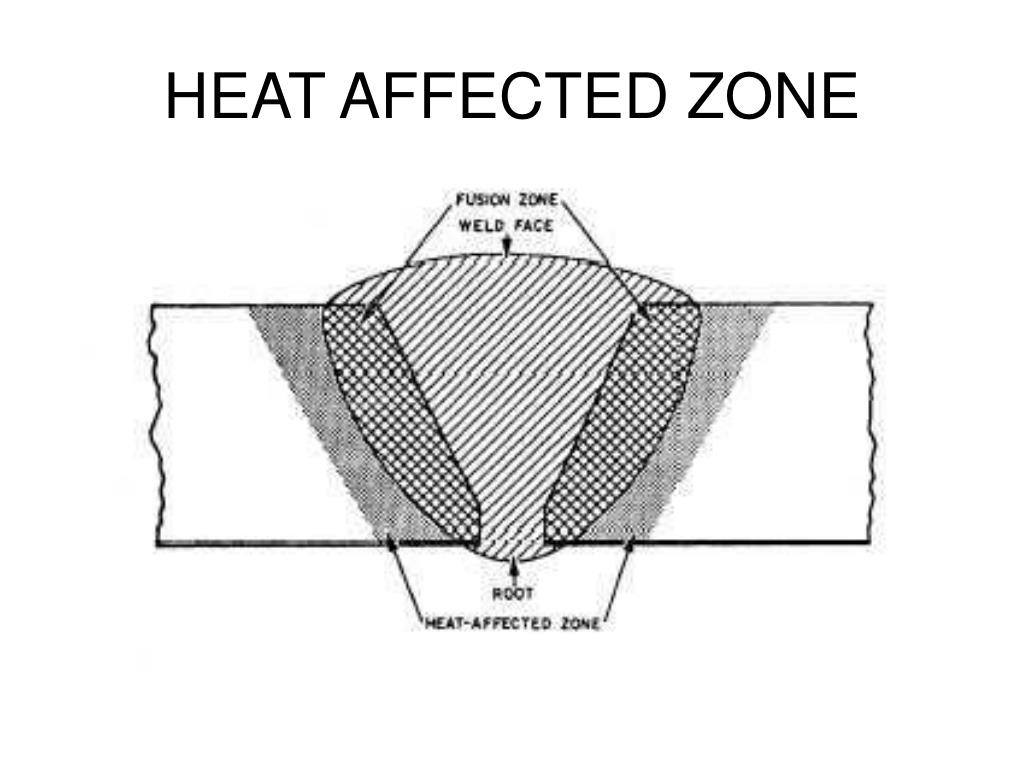
What Is The Heat Affected Zone

Alright, gather 'round, folks. I’ve got an unpopular opinion, and it’s about something you probably interact with every single day, maybe without even knowing its fancy name. Forget pineapple on pizza for a second. We're diving into the secret life of things that get heated up, but not quite melted. Intrigued? You should be!
Think about a classic. Toast. You pop it in the toaster, aiming for that perfect golden crunch. But sometimes, disaster strikes! One edge gets just a little too dark. Maybe even charcoal-black. Now, look closely at that piece of toast. You've got the perfectly lovely, soft, warm bit. You've got the utterly incinerated, carbonized crumb. But what about the bit between the perfect and the burnt? That slightly-too-crispy, faintly scorched area that didn't quite make it to ash, but definitely isn't 'just right' anymore? You know the spot! That, my friends, is our everyday hero, or perhaps villain, in disguise.
The Case of the Crispy Edges (and Beyond)
It's everywhere. You're searing a steak, right? The outside gets that gorgeous crust, the Maillard reaction doing its delicious work. The inside is juicy, medium-rare perfection. But there's a thin layer just beneath the crust, isn't there? It’s not quite raw, not quite seared. It's undergone a transformation. A subtle, yet significant, shift in its very being. It's changed its mind, so to speak, about being raw steak and decided to be something else entirely, thanks to a kiss of heat.
Must Read
This is where things get interesting. It’s not about what got melted. It’s about what got changed, without the drama of melting.
Or consider styling your hair. You run a curling iron through a strand. The direct part touching the iron gets super hot, transforming its shape. But the hair just next to it? It didn't touch the iron, yet it feels different, maybe a bit dry, a little more brittle than its untouched neighbors. It's a tiny, personal little example of a big concept.
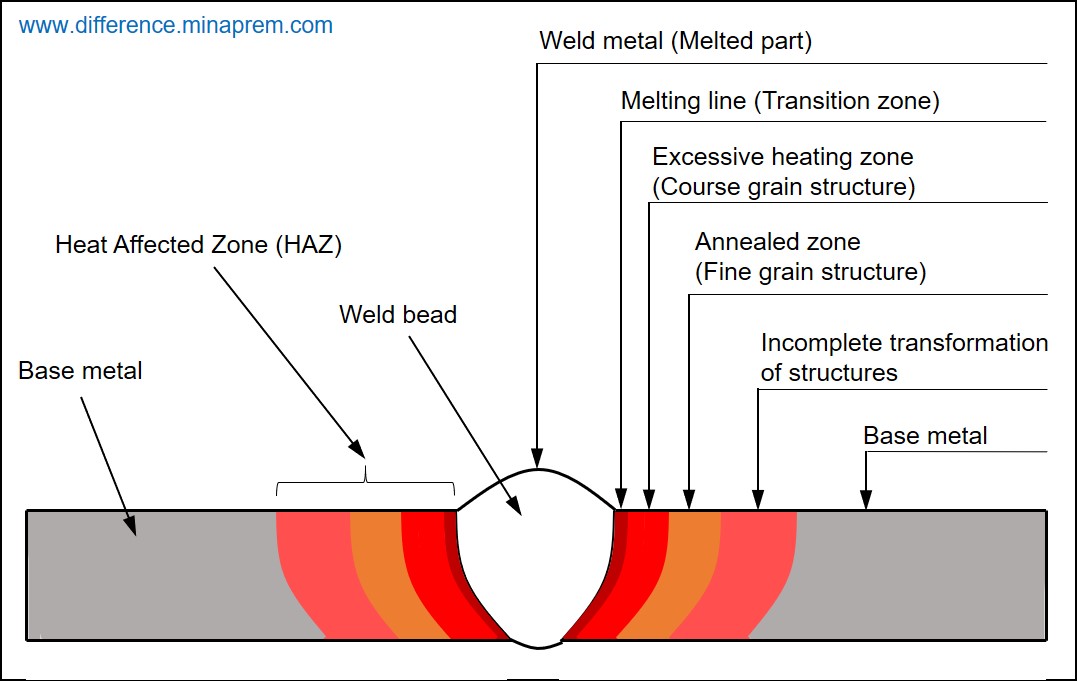
And here's where we get to the big reveal, the star of our show, often overlooked, frequently misunderstood, and incredibly important in the world of everything from aerospace to your kitchen pots: the Heat Affected Zone. Or, as the cool kids call it, the HAZ.
Meet the HAZ: The Unsung Understudy
So, what exactly is this Heat Affected Zone? Simply put, it's the area of a material that wasn't directly melted during a heating process (like welding, cutting with a torch, or even that super hot curling iron), but still experienced enough heat to undergo significant changes to its properties. It's the shy middle child. It didn't get the glory of being melted and reformed, nor did it get to stay completely pristine. It just... changed.
And here’s my truly unpopular opinion: Everyone focuses on the weld itself, or the perfectly cooked part, or the burnt disaster. But the HAZ? It’s often the unsung understudy, the quiet troublemaker, or the secret strength. It's the part that quietly takes the brunt of the heat's influence without drawing too much attention to itself. But oh, how important it is!
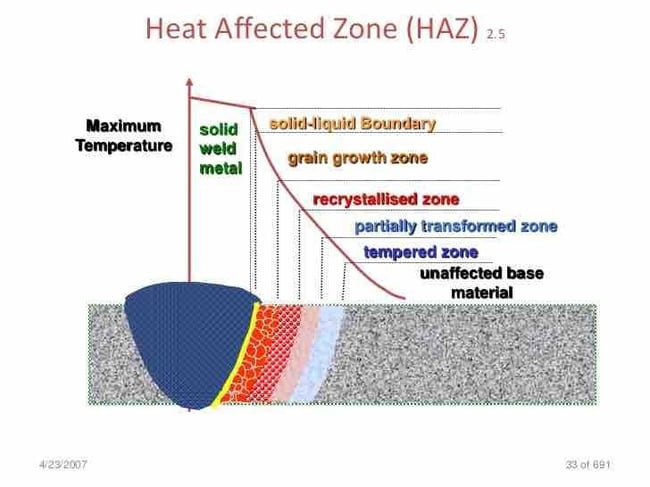
Imagine two pieces of metal being joined by welding. The weld metal itself melts and solidifies. Great! But right next to that shiny new weld is the HAZ. This zone got hot enough to alter its grain structure, its hardness, its strength, or its ductility. It's like your perfectly grilled chicken breast, where the outside is crispy, the inside is tender, but that slightly gray, rubbery bit just beneath the crust? That’s our HAZ.
Why Should We Care About This Tricky Zone?
Why should you, a person who probably isn't welding rockets daily, care about the HAZ? Because it's where things can go wrong. If the HAZ becomes too brittle, a material might crack under stress. If it becomes too soft, it might deform easily. Its mechanical properties can be completely different from the original material, and often, not in a good way.
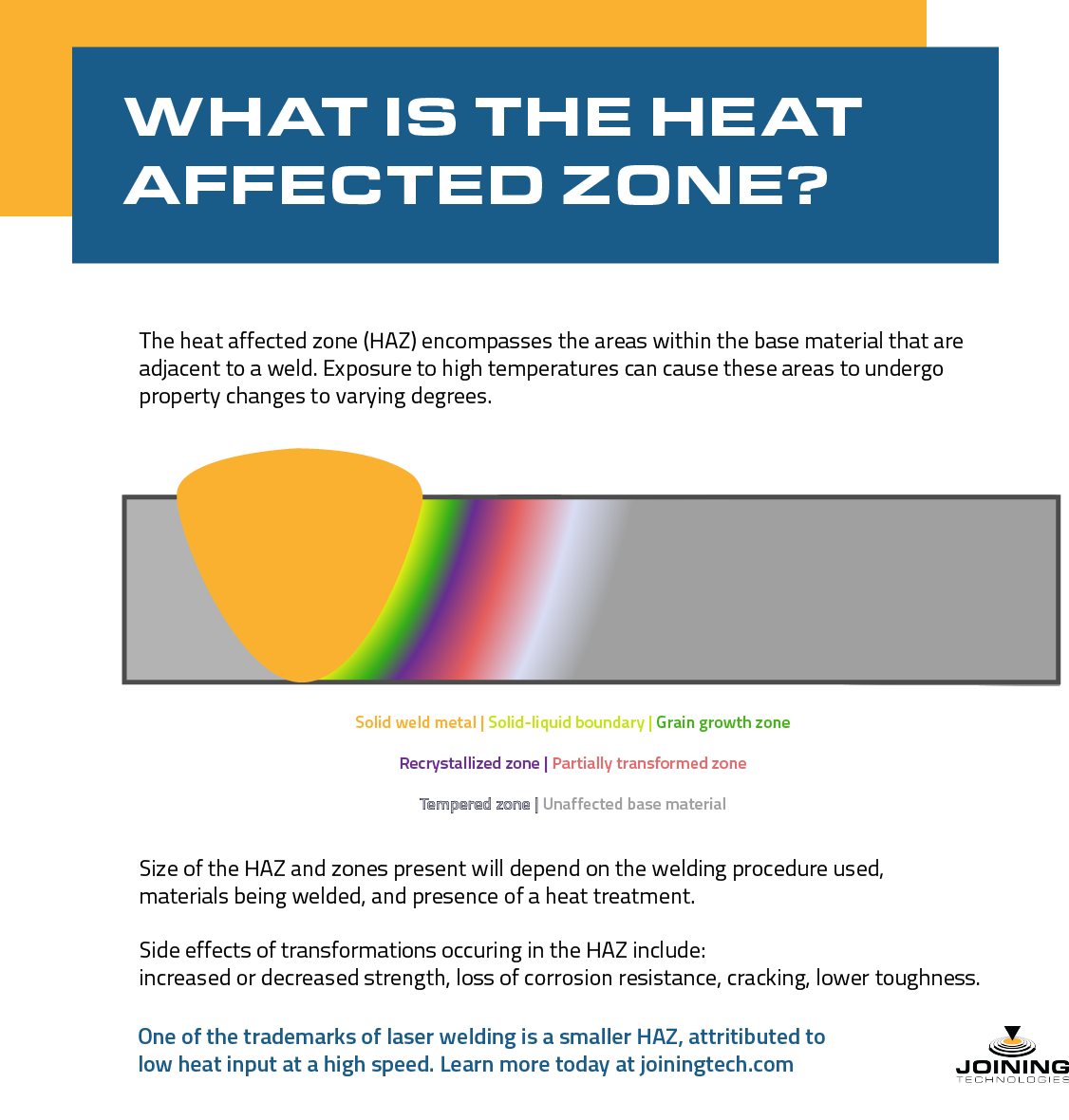
Engineers, metallurgists, and really clever people spend countless hours trying to understand and control the HAZ. They adjust welding speeds, temperatures, and materials, all to make sure that this heat-affected area is as strong, durable, and reliable as possible. They know that a beautiful weld is only as good as the material immediately surrounding it. A strong weld with a weak or brittle HAZ is like building a skyscraper on quicksand – eventually, it's going to cause problems.
The HAZ is often the Achilles' heel, the unexpected weak link, or sometimes, with careful planning, a surprisingly resilient buffer.
So, the next time you're toasting bread, cooking dinner, or even just noticing how sunlight changes the surface of something, give a little nod to the Heat Affected Zone. It’s that subtle, often overlooked area where magic (or mayhem!) happens, without the drama of outright melting. It’s proof that heat, even a little kiss of it, can profoundly change things. And understanding it, even just playfully, gives us a whole new appreciation for the secret lives of materials around us. Go forth and observe your own crispy edges!