
What Is The Gas Used In Welding
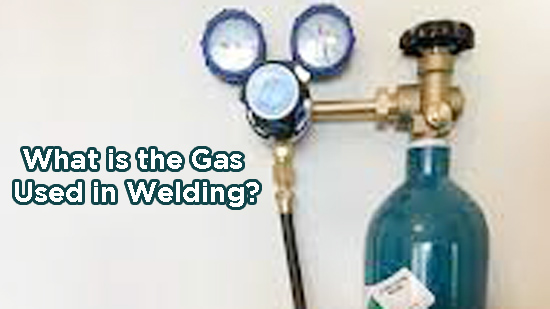
Hey there, fellow curious mind! Ever watched a welder at work, those bright sparks flying, and thought, "What in the world is going on there?" Beyond the electricity and the filler wire, there's a silent, invisible hero at play. We're talking about the gas – yep, the gas! It’s not just plain old air, folks. It's a carefully selected, super important ingredient in the welding recipe. Let's peel back the curtain and chat about what kind of gas gets the job done, shall we?
You might be wondering, "Why bother with gas at all? Can't we just weld in open air?" And that, my friend, is an excellent question! The short answer is: no, not really, unless you like weak, brittle welds that look like they've been attacked by a rust monster. When you're welding, you're essentially melting metal at incredibly high temperatures. This molten metal is super eager to react with anything and everything around it – especially the oxygen and nitrogen chilling in our atmosphere.
Think of it like this: trying to cook a delicate soufflé in a dusty, windy hurricane. It's just not going to end well, right? Those atmospheric gases would contaminate your molten weld pool, causing all sorts of nasties like porosity (tiny holes, ew!), brittleness, and an overall lack of strength. So, we need something to literally shield that precious molten metal from the outside world. And that's where our gases come in!
Must Read
The Superstars of Shielding
There are a few main characters in our gas drama, each with their own personality and purpose. Let's meet them!
Argon: The Chill Giant
If there's an MVP of welding gases, it's probably Argon. This guy is an inert gas, meaning it's super laid-back and doesn't want to react with anything. It just wants to hang out and protect your weld. Argon is heavier than air, so it forms a nice, stable blanket over the weld pool, keeping those pesky atmospheric contaminants away. It also helps create a smooth, stable arc and offers good penetration.
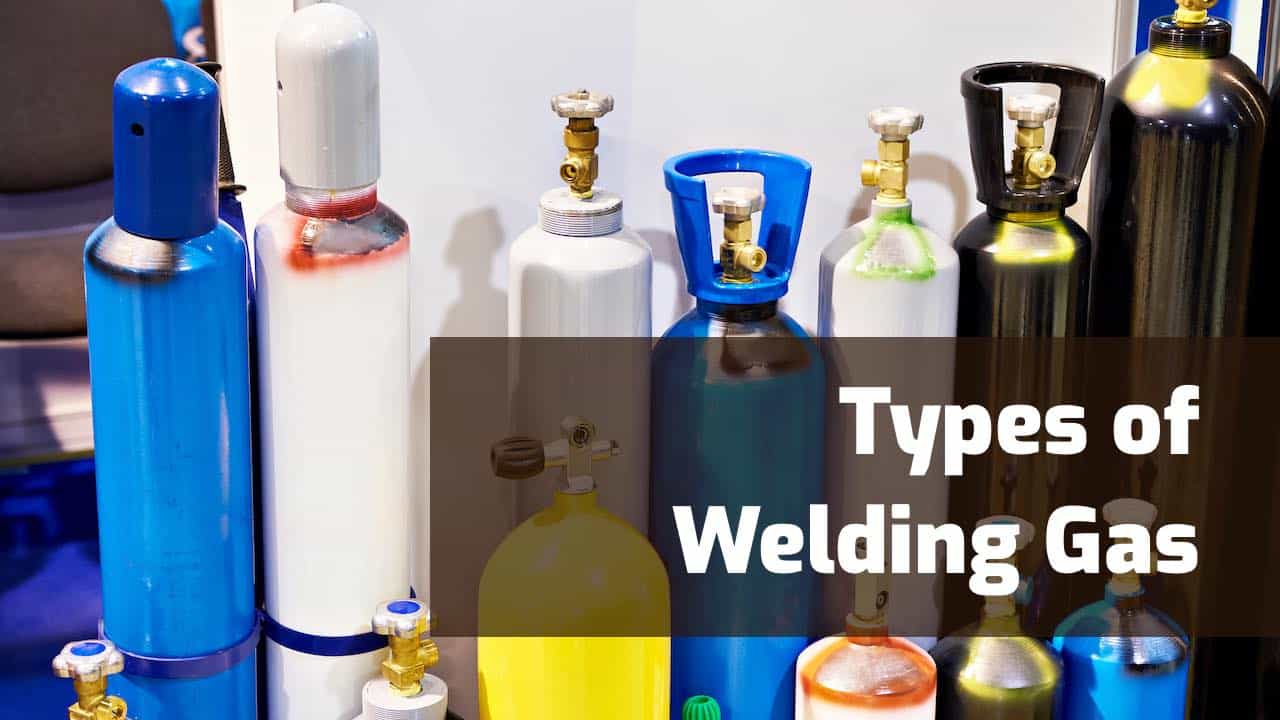
You'll find argon as the primary gas in processes like TIG welding (where precision is key!) and often for MIG welding aluminum. It's the reliable friend who always shows up on time and does exactly what you expect. A true blue hero!
CO2 (Carbon Dioxide): The Budget Buddy with a Punch
Next up, we have CO2. This gas is a bit different. Unlike argon, CO2 is an active gas, meaning it does react with the molten metal. But don't worry, it's a good kind of reactive! When exposed to the heat of the arc, it breaks down and helps provide deeper weld penetration, which is awesome for welding thicker steels. Plus, it's generally more affordable than argon.

CO2 is primarily used for MIG welding, especially on steel. The trade-off? It can produce a bit more spatter (those little metal droplets that fly off), and the arc might not be as smooth as with argon. But for a lot of everyday steel fabrication, CO2 is a total workhorse. Think of it as the no-frills, get-it-done kind of gas.
The Blended Bunch: Why Mix Things Up?
Often, welders want the best of both worlds – the stability of argon and the penetration of CO2. So, what do they do? They mix 'em! These gas mixtures are incredibly common and super effective.

Argon + CO2: The Power Couple
This is probably the most popular shielding gas mixture out there, often referred to by percentages like "C25" (75% Argon, 25% CO2) or "C10" (90% Argon, 10% CO2). This blend gives you a more stable arc than pure CO2, less spatter, and still excellent penetration for MIG welding steel. It's like finding that perfect balance in a relationship – smooth sailing with plenty of strength!
Argon + Oxygen: For That Extra Sparkle
Sometimes, a tiny dash of oxygen (like 1-5%) is added to argon. This small amount helps stabilize the arc even further and can improve the wetting action of the weld pool, making for a smoother bead appearance. It's often used for welding stainless steel and can give you a really pretty finish.
Argon + Helium: The Hot Head
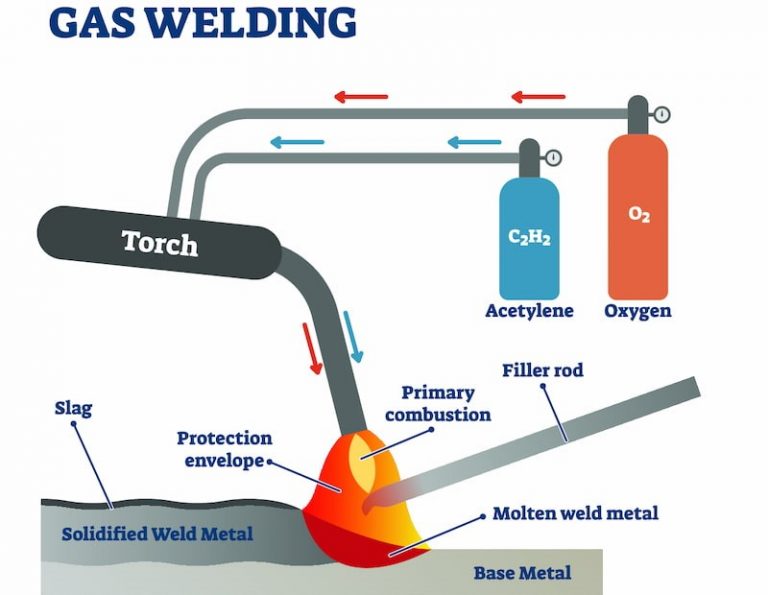
Remember helium, the gas that makes balloons float and voices squeaky? Well, it's also a welding gas! When mixed with argon, helium significantly increases the heat input of the arc. This is fantastic for welding thicker materials like aluminum or copper, as it provides deeper penetration and faster travel speeds. The downside? Helium is more expensive and lighter, so you need a higher flow rate to maintain your shielding. But when you need to bring the heat, argon-helium mixtures are your go-to.
In Summary (Before We Get Too Gassy!)
So, the next time you see a welder igniting an arc, remember that there's a whole invisible world of chemistry happening to make that weld strong, clean, and beautiful. The choice of gas isn't just a random pick; it's a critical decision based on the material, the welding process, and the desired outcome. Whether it's the quiet protection of argon, the robust power of CO2, or a clever blend of the two, these gases are the unsung heroes preventing your molten metal masterpiece from turning into a crumbly mess.
It's pretty amazing, isn't it? Who knew a simple gas could be so crucial to building bridges, cars, and even art? So here's to the silent protectors of the weld pool – making sure our world stays bolted, stitched, and welded together, one perfect bead at a time. Keep those sparks flying safely and those welds strong!