What Is The Fuel For Hurricanes
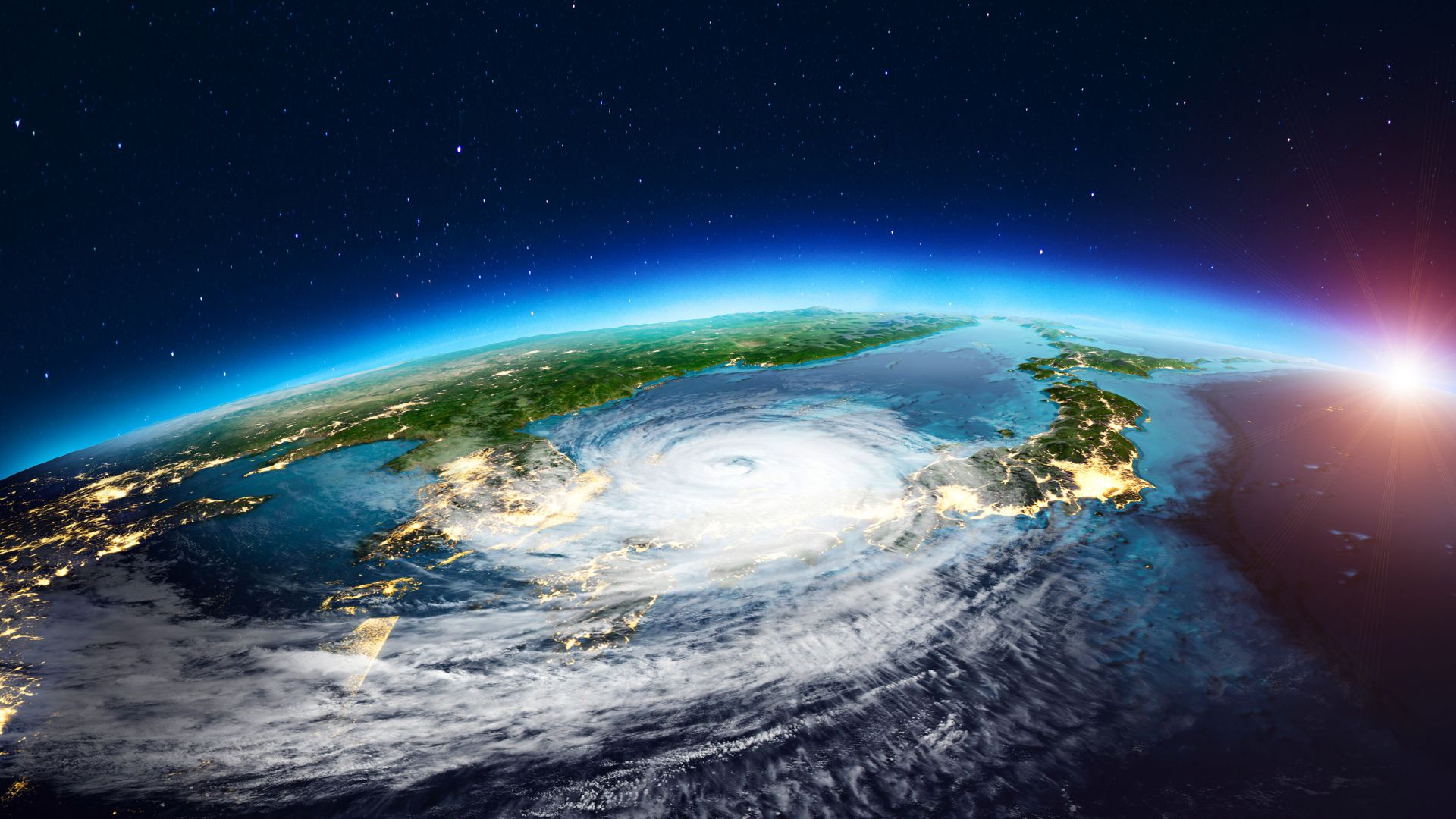
We humans have a peculiar relationship with powerful weather phenomena. From the awe-inspiring sight of a lightning storm to the humbling force of a blizzard, there’s a certain primal fascination with nature flexing its muscles. And few natural events command as much respect, and indeed, fear, as a hurricane. While no one enjoys being in the path of one, our collective curiosity about these monstrous swirling systems is undeniable. Understanding them isn't just an academic pursuit; it’s a vital ingredient in keeping ourselves, our loved ones, and our communities safe.
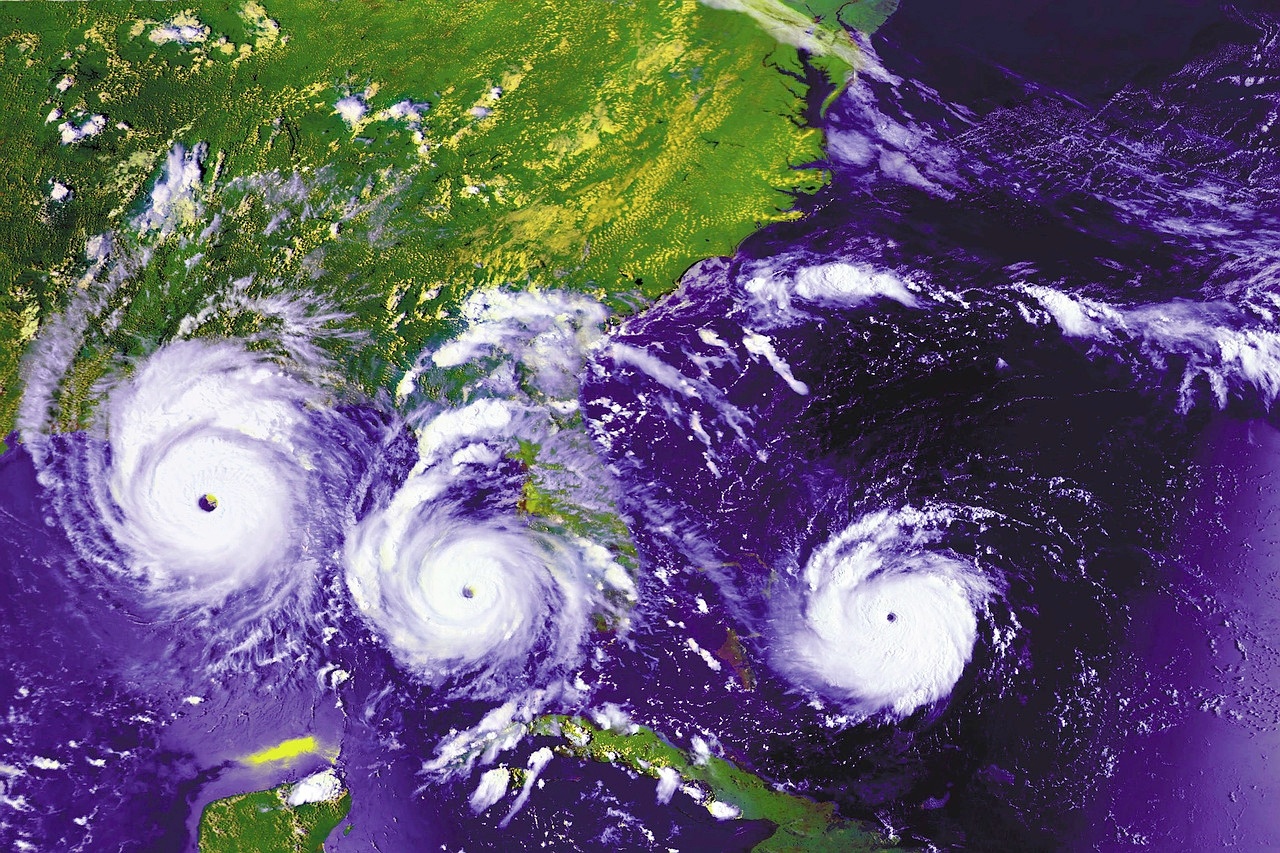
So, what exactly fuels these colossal storms? Think of a hurricane as a gigantic, atmospheric engine, and like any engine, it needs specific components to run. Its primary fuel source is surprisingly simple, yet incredibly powerful: warm ocean water. Specifically, ocean temperatures need to be at least 80°F (about 26.5°C) and extend to a significant depth. This warm water evaporates, rising into the atmosphere as moist, humid air. As this moist air rises, it cools and condenses, forming clouds and releasing an enormous amount of energy known as latent heat. This released heat warms the surrounding air, causing it to rise even further, creating a powerful feedback loop that sucks up more moisture from the ocean surface.
This process isn't just academic; it has profound implications for our daily lives. The better scientists understand this fueling mechanism, the more accurately they can predict a hurricane's intensity and trajectory. This understanding is the backbone of our modern hurricane forecasting and warning systems. When meteorologists talk about a storm "strengthening over warm waters" or "weakening over cooler water," they are directly referring to the availability of this crucial fuel. These predictions allow coastal communities to prepare, evacuate if necessary, and ultimately save countless lives and reduce economic damage.
Must Read
Common examples of this science in action are ubiquitous during hurricane season. Every time you see a projected storm track on the news, hear an official hurricane watch or warning, or receive an alert on your phone, you're benefiting from decades of research into these fundamental processes. Satellite imagery constantly monitors sea surface temperatures, providing vital data for complex computer models that simulate how a storm will interact with its environment, including its fuel supply.
Want to engage with this fascinating topic more effectively? Firstly, make it a habit to follow reputable sources like the National Hurricane Center (NHC) or trusted local meteorologists. They translate complex scientific data into actionable information. Secondly, pay attention to the details: when forecasts mention wind shear (strong winds aloft that can rip a hurricane apart) or dry air (which can choke off a storm’s moisture supply), recognize these as factors that either starve or enhance the hurricane’s fuel efficiency. Finally, and most practically, use this knowledge to be prepared. Understanding the science behind hurricanes isn't just about marveling at their power; it’s about empowering yourself to make informed decisions before, during, and after these magnificent, yet destructive, natural phenomena make landfall. Stay curious, stay informed, and stay safe!