What Is The Formation Of Coal
Ever held a lump of coal and pondered its incredible journey? It’s not just a dark, dusty rock; it's a profound narrative, a compressed saga of ancient life and immense geological forces. While you might not be attempting to replicate Earth's millennia-long processes in your backyard (and frankly, we don't recommend it!), understanding the formation of coal offers a surprisingly rich vein of inspiration for anyone – from curious learners to budding artists and history buffs alike. It’s a testament to patience, pressure, and the power of transformation, making it a surprisingly engaging topic.
For artists and hobbyists, the story of coal is a fascinating muse. Imagine ancient, sprawling swamps, teeming with colossal ferns and prehistoric trees. Picture the slow, relentless burial of this vibrant biomass, layer upon layer, over millions of years. This epic narrative offers incredible opportunities for creative expression. Casual learners, too, will find immense satisfaction in uncovering the science behind this everyday energy source, connecting them to deep time and the planet's dynamic history. It’s a powerful reminder that even the most mundane objects can hold extraordinary stories.
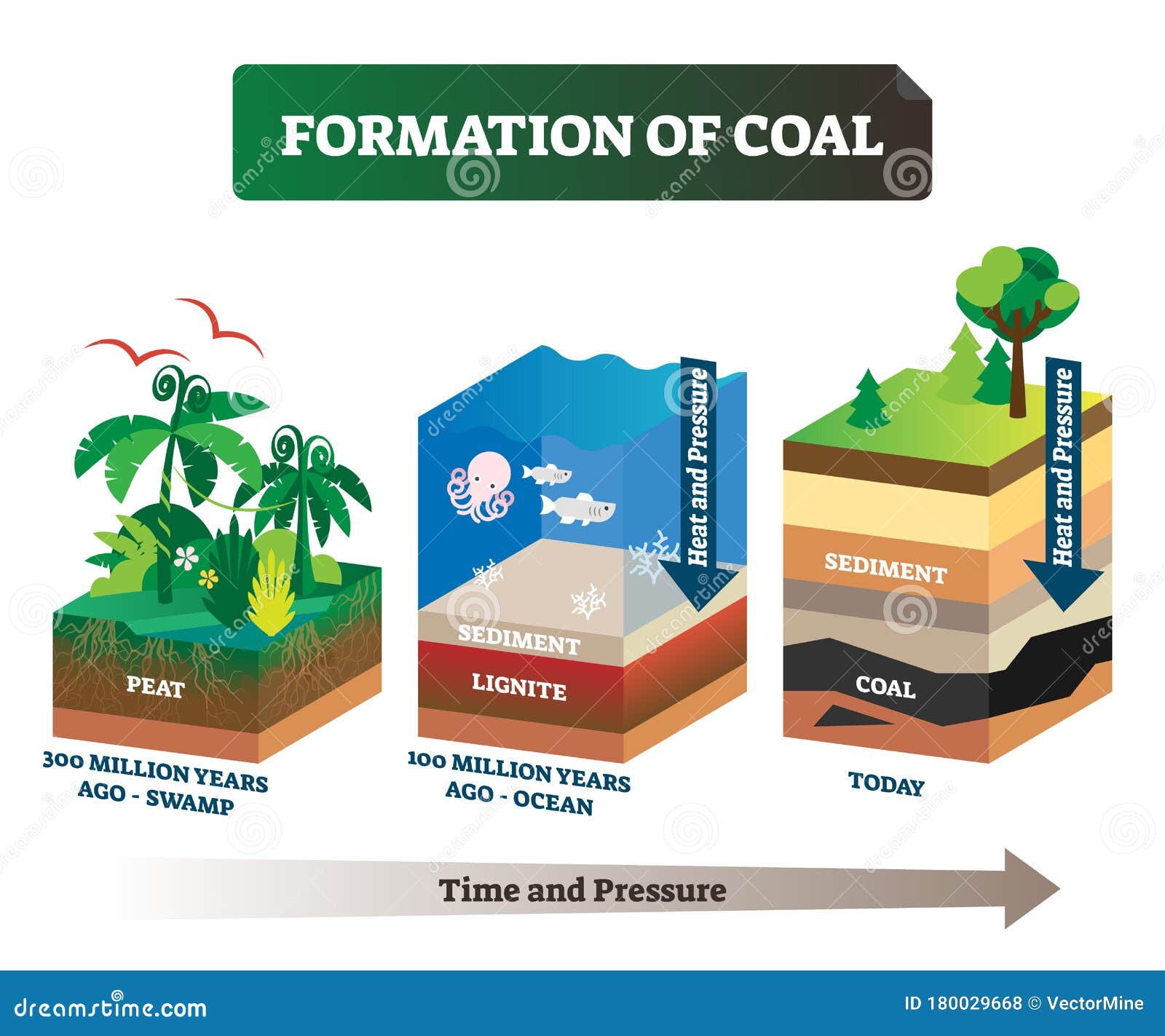
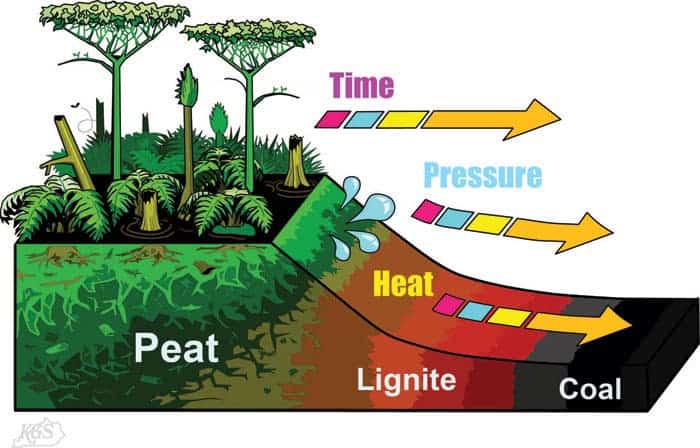
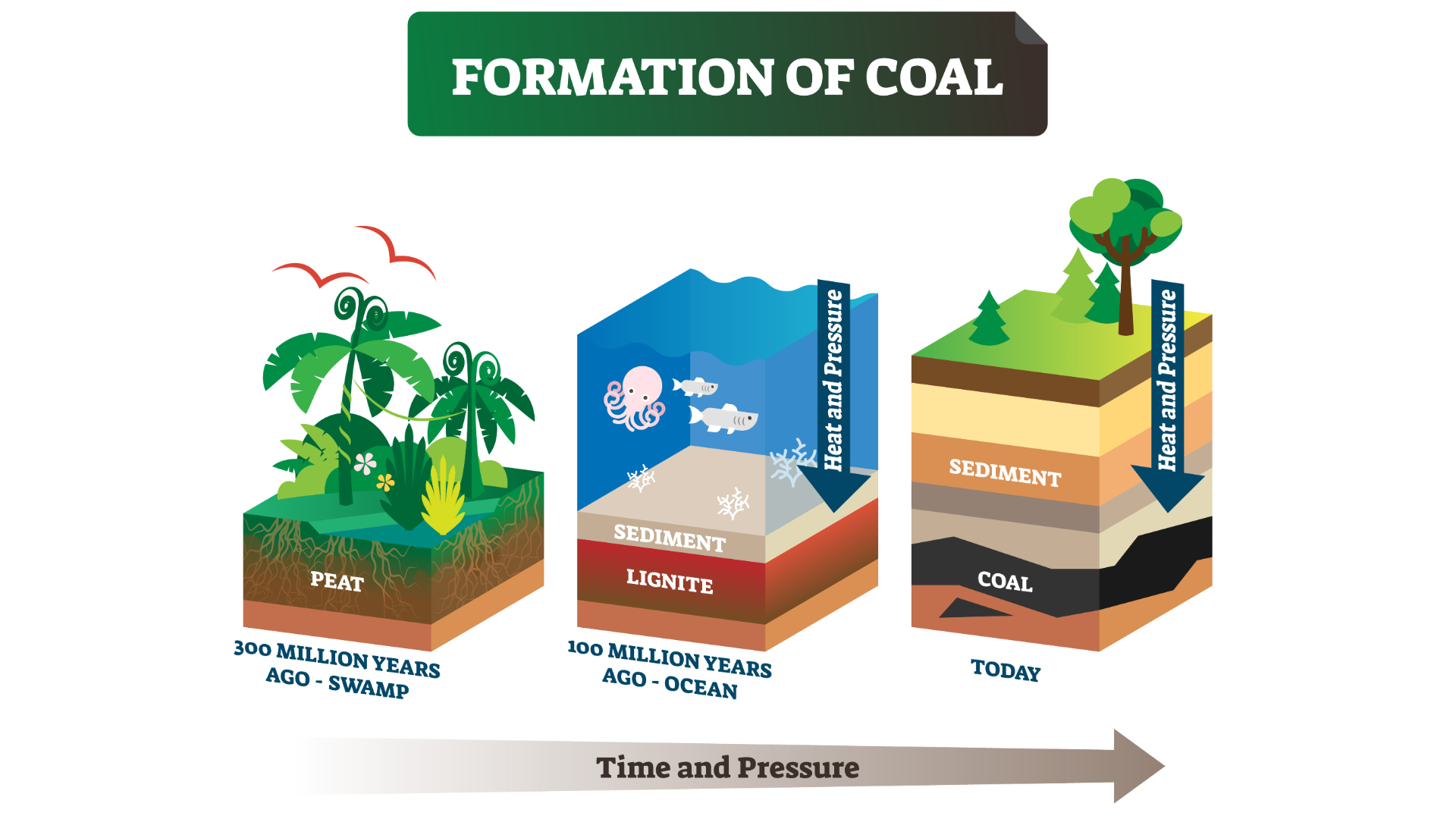
Consider the artistic possibilities: you could explore the vivid greens and lush textures of the Carboniferous Period in a painting, or craft a sculpture depicting the immense geological pressure transforming plant matter into peat, then lignite, and finally, coal. Think about abstract art representing the layers of sediment and the slow, inexorable squeeze. Photographers might capture the intricate patterns and shimmering iridescence sometimes found in coal samples, while writers could weave tales of lost worlds and the silent, enduring processes beneath our feet. The variations are as deep and layered as the coal seams themselves!
Must Read
So, how can you "try" the formation of coal at home in an inspiring way? Naturally, you won't be generating your own energy reserves, but you can certainly explore the concept. Start by diving into documentaries or books about geology and paleobotany. Observe how layers form – perhaps in a clear jar with different colored sands and leaves – to get a visual sense of deposition. For a truly hands-on experience, try pressing leaves between heavy books for an extended period, an enjoyable (and much faster!) analogy for pressure. Most importantly, allow your imagination to travel back in time. Sketch what you envision those ancient forests looked like, or write a short story from the perspective of a plant undergoing this incredible transformation. It’s about engaging with the scientific wonder through a creative lens.
Ultimately, learning about the formation of coal is enjoyable because it connects us to something vast and ancient. It instills a sense of wonder at the Earth's incredible capacity for change and renewal, turning humble plant life into a concentrated energy source over eons. It's a journey into deep time that reminds us of the planet's powerful, beautiful, and ongoing story – a story that continues to inspire us in countless ways.