What Is The Environmental Impact Of Nuclear Energy

Okay, let's talk nuclear energy. We know, the word itself can conjure images of glowing green goo or Homer Simpson at Sector 7G. But beyond the pop culture references, what's the real deal with its environmental impact? Is it a villain in a sci-fi dystopia, or a misunderstood hero fighting climate change? Let’s unpack it.
The Good Stuff: Low Emissions and Land Use
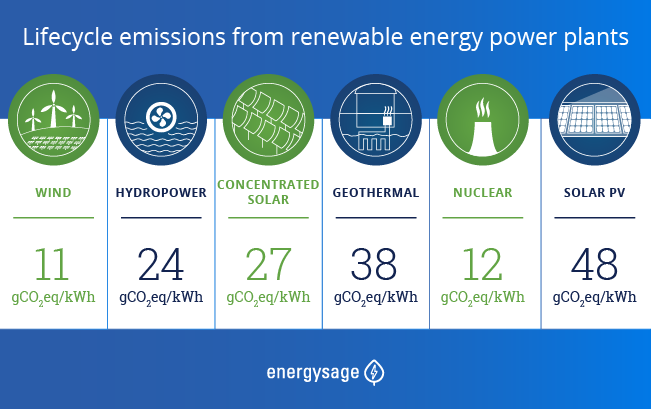
Let’s start with the headline: Nuclear energy is a low-carbon power source. That's right. During operation, nuclear power plants release virtually no greenhouse gases. Zip. Zilch. Nada. Compared to coal or natural gas plants, which pump out carbon dioxide like there's no tomorrow, nuclear is a breath of fresh air (literally!). This makes it a significant player in efforts to combat climate change and reduce our carbon footprint.
Think of it this way: it's like swapping out your gas-guzzling SUV for a sleek electric car – a major upgrade for the planet. Less reliance on fossil fuels means cleaner air and a more stable climate. And who doesn't want that?
Must Read
Also, nuclear power plants are surprisingly land-efficient. One plant can generate a lot of electricity using a relatively small area. This leaves more land available for agriculture, wildlife, and recreation. So, instead of sprawling solar farms or wind turbine fields blanketing the landscape, a compact nuclear plant can do the same job with a much smaller footprint.
The Not-So-Good Stuff: Waste and Accidents
Now, let's be honest, there are downsides. The big one is nuclear waste. After the uranium fuel is used, it becomes radioactive waste that needs to be carefully managed and stored. This waste remains radioactive for thousands of years, which presents a long-term challenge.

Currently, most nuclear waste is stored on-site at the power plants in specially designed containers. Scientists are also exploring long-term disposal options, such as deep geological repositories (think underground bunkers). The good news is that the volume of nuclear waste is relatively small compared to other industrial wastes. It's also very densely packed and managed responsibly.
Another concern is the potential for accidents. The Chernobyl and Fukushima disasters are stark reminders of the risks involved. While these events were devastating, it's important to note that nuclear power plants are designed with multiple safety features to prevent accidents. The industry has also learned valuable lessons from these incidents and has implemented stricter safety protocols.
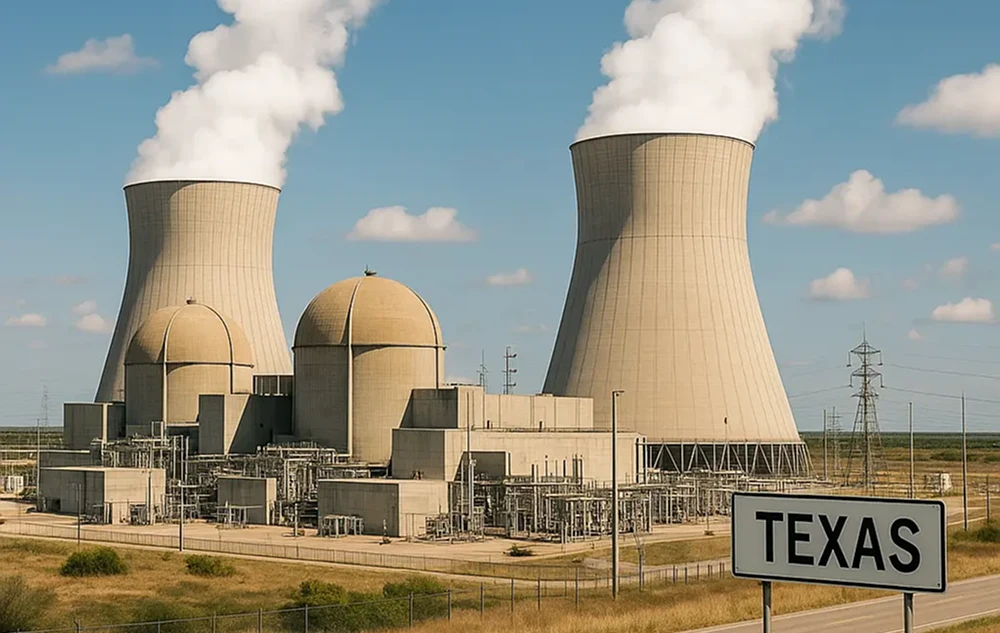
New reactor designs are even safer, with features like passive safety systems that rely on natural forces like gravity to shut down the reactor in an emergency. In other words, they're building reactors that are inherently safer, reducing the risk of accidents even further.
The Tech of Tomorrow: Recycling and New Reactors
The future of nuclear energy is looking bright. Researchers are developing new technologies to recycle nuclear waste, potentially reducing its volume and radioactivity. Imagine turning waste into fuel – it's like magic! This would dramatically decrease the long-term storage challenges and create a more sustainable nuclear fuel cycle.
There's also a lot of buzz around small modular reactors (SMRs). These are smaller, more efficient, and potentially safer than traditional reactors. They can be built in factories and transported to various locations, making them a flexible and cost-effective energy solution. SMRs could be a game-changer for powering remote communities and industries.
Furthermore, advanced reactor designs, like thorium reactors and fast reactors, are being developed with the potential to be even safer and more efficient than current reactors. These innovations could help address concerns about waste and safety, paving the way for a more sustainable nuclear future.
Quick Tips for an Energy-Conscious Life
* Understand your energy consumption: Track your electricity usage and identify areas where you can cut back. * Support renewable energy: Advocate for policies that promote renewable energy and sustainable energy sources. * Stay informed: Keep up-to-date on the latest developments in nuclear energy and other energy technologies.A Moment of Reflection
So, what does all this mean for you and me? Well, energy powers our lives, from the lights in our homes to the devices in our pockets. By understanding the environmental impact of different energy sources, we can make informed choices and support a cleaner, more sustainable future. It's not about choosing one perfect solution, but about embracing a mix of technologies that can work together to meet our energy needs while protecting the planet. Every little bit counts – from turning off the lights when you leave a room to supporting policies that promote clean energy. Let's work together to build a brighter and greener future, one kilowatt at a time.