What Is The Environmental Impact Of Natural Gas

Let's face it, who doesn't love a warm home on a chilly evening? Or the satisfying whoosh of a gas stove igniting, ready to cook up a delicious meal? Natural gas plays a massive, often unseen, role in making our lives comfortable and convenient. We rely on it for so much, from heating our homes to powering our industries, and even for grilling that perfect summer burger.
The benefits of natural gas are undeniable. For many, it’s the most affordable and reliable way to heat their homes during the winter months. Unlike electricity, which can experience outages, natural gas generally flows steadily. Think of those freezing nights when the power goes out – with a natural gas furnace, you're more likely to stay snug and warm. Beyond heating, natural gas fuels water heaters, clothes dryers, and of course, kitchen stoves. Imagine trying to bake a cake without the consistent heat of a gas oven! Industries also depend heavily on natural gas for manufacturing processes, generating electricity, and producing various materials we use every day.
You see natural gas at work all around you. That cozy fireplace flickering in your neighbor's living room? Probably fueled by natural gas. The electricity powering your computer? A good portion of it likely comes from natural gas-fired power plants. Even the plastics in your phone might have been manufactured using natural gas as a feedstock. It's a pervasive energy source that underpins much of modern life.
Must Read
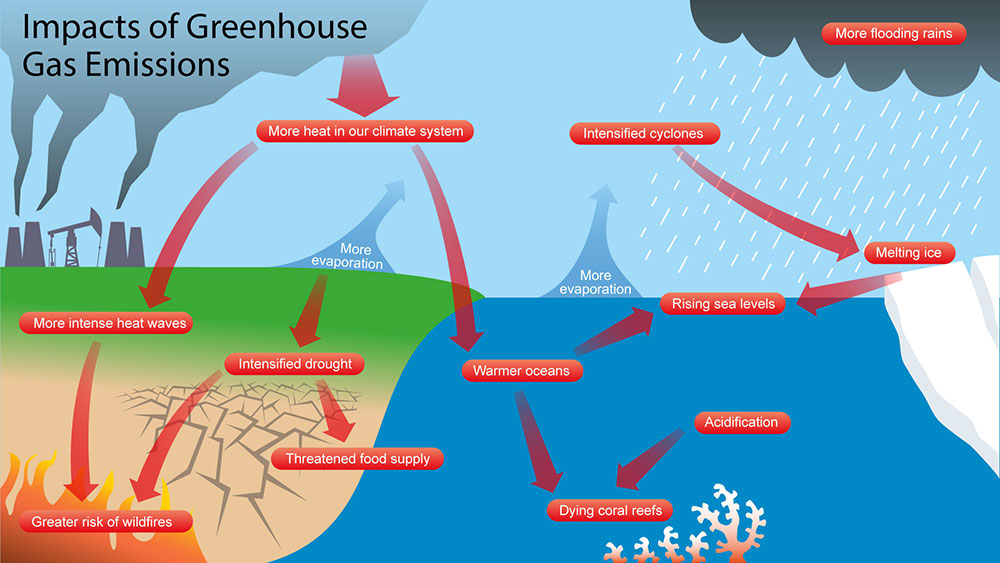
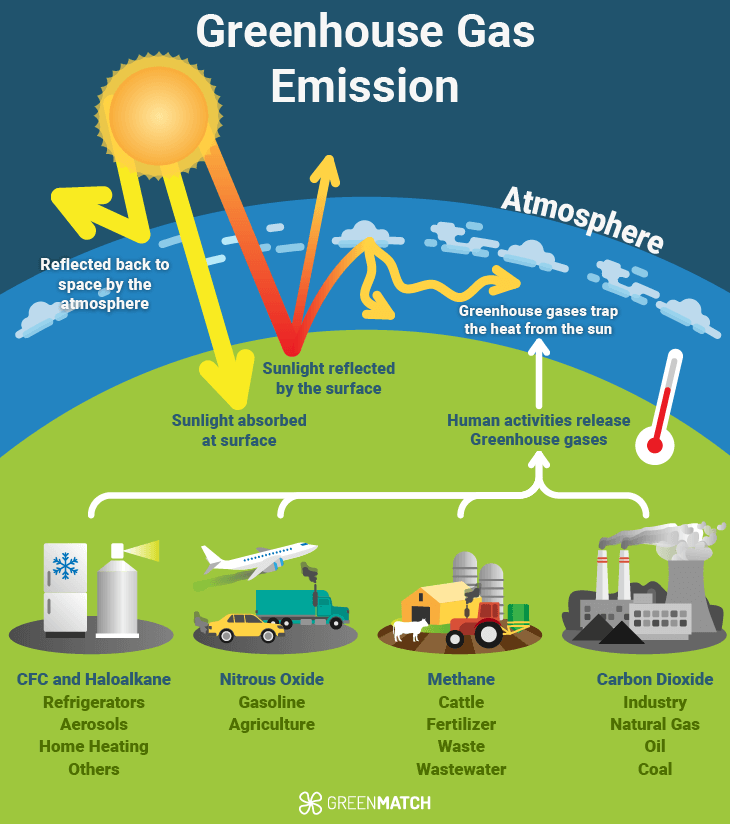
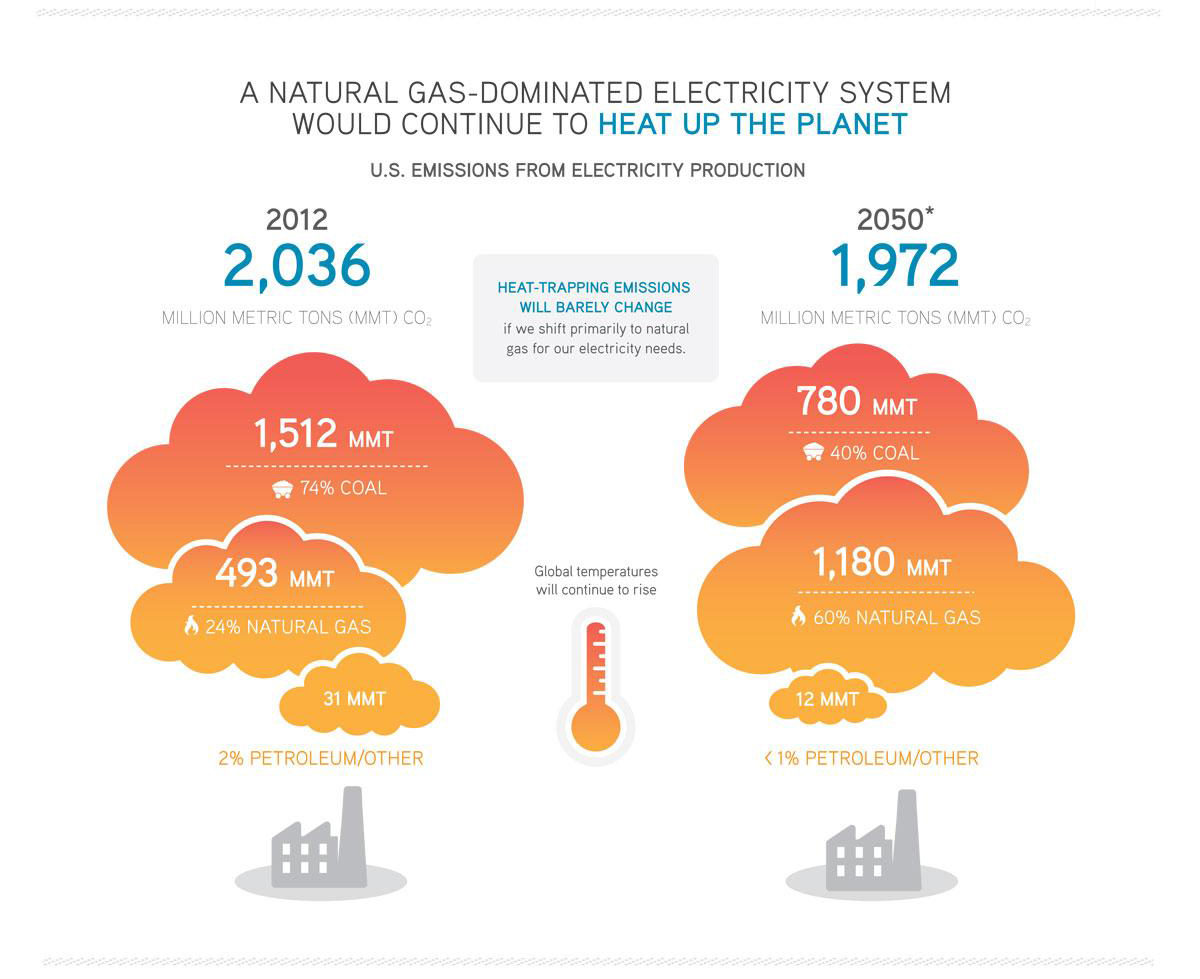
However, the story isn't quite so simple. While natural gas is cleaner burning than other fossil fuels like coal, it still has an environmental impact. The primary concern is the release of methane, a potent greenhouse gas, during the extraction, processing, and transportation of natural gas. Methane traps significantly more heat in the atmosphere than carbon dioxide, especially over shorter time periods, contributing to climate change. Furthermore, the burning of natural gas releases carbon dioxide, another major greenhouse gas, although in smaller amounts compared to coal.
So, how can we enjoy the benefits of natural gas more effectively and responsibly? One crucial step is to ensure our appliances are energy-efficient. Look for appliances with the Energy Star label, which indicates they meet strict energy efficiency guidelines. Properly insulating your home is also paramount. Sealing air leaks around windows and doors can drastically reduce your heating and cooling needs, minimizing your natural gas consumption. Regular maintenance of your furnace and other gas appliances ensures they operate efficiently and safely, reducing the risk of leaks. And, consider exploring alternative energy sources like solar or wind power to supplement your natural gas usage. Even small changes, like turning down the thermostat a degree or two in the winter, can make a difference.
Ultimately, understanding the environmental impact of natural gas allows us to make informed decisions about its use. By embracing energy efficiency and exploring cleaner alternatives, we can continue to enjoy the comforts it provides while minimizing its negative effects on the planet. It’s about finding a balance – a path towards a more sustainable energy future.