What Is The Environmental Impact Of Hydropower
Okay, let's talk about hydropower. Clean energy! Green power! Saves the planet! That's what they tell us, right? Well, hold on a sec. I'm about to whisper some unpopular opinions. Prepare yourselves.
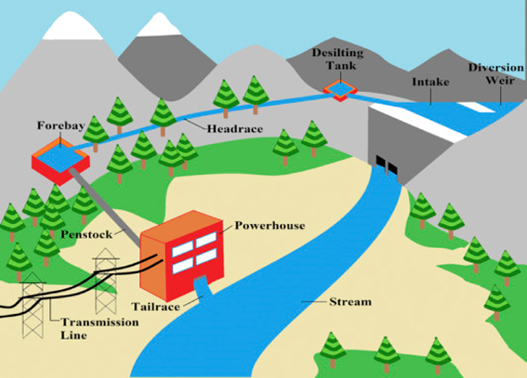
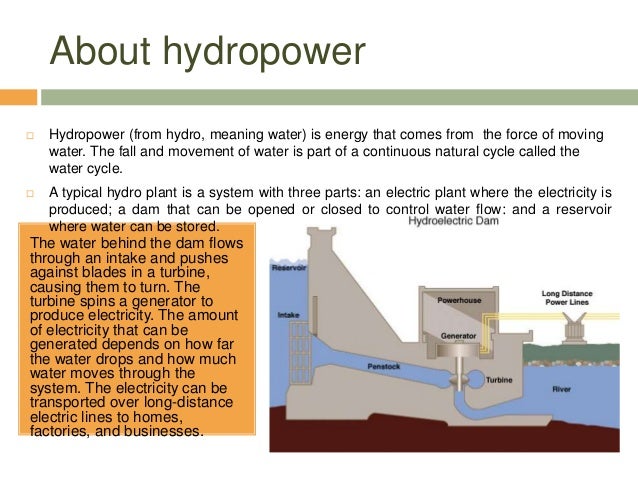
First, let's get this straight: hydropower uses the power of moving water – usually a river – to spin a turbine and make electricity. No burning coal! No smog! Sounds fantastic! And it is pretty cool. But here's where things get a little...murky (pun intended!).
The Dam Truth (and the Dam Problems)
To get that water moving with enough oomph, we often build dams. Giant, concrete behemoths that hold back entire rivers. Now, imagine your local swimming pool. You love it. The ducks love it. But what if someone built a massive wall in the middle, turning half into a stagnant pond? Wouldn't be ideal, would it?
Must Read
That's essentially what happens to rivers. The free-flowing river becomes a reservoir. It changes the entire ecosystem. Fish can't migrate upstream to spawn. The water temperature changes. Sediment gets trapped behind the dam, which can starve downstream ecosystems. It's like giving a river a really, really bad haircut.
"But think of the renewable energy!" I hear you cry. "It's better than fossil fuels!"
And you're not wrong! Fossil fuels are definitely the bad guys. But is hydropower always the superhero? Let's dig a little deeper.
Methane: The Silent Farter of Reservoirs
Here's a fun fact that often gets glossed over: reservoirs can release methane. Methane is a potent greenhouse gas – way more potent than carbon dioxide, at least in the short term. When organic matter (like leaves and dead plants) decomposes underwater in these reservoirs, especially in warmer climates, it produces methane. This bubbles up and enters the atmosphere. So, while we're patting ourselves on the back for using "clean" energy, we might be accidentally creating a methane jacuzzi.
Now, not all reservoirs are created equal. Some release more methane than others. But it's something to consider. It's like that friend who always brings delicious snacks to the party...but then accidentally sets the kitchen on fire. Appreciated, but maybe not worth it?
The Fishy Situation
Remember those poor fish trying to swim upstream? Dams are a major obstacle to their migration. Fish ladders (those little staircases beside dams) are supposed to help. But let's be honest, they're often about as effective as a screen door on a submarine. Some fish make it, sure. But many don't.

This can have a devastating impact on fish populations, which in turn affects the entire food chain. Imagine a world without salmon. That's a depressing thought. Especially if you like sushi.
So, Is Hydropower the Villain?
Not necessarily. It's complicated. Like that relative you only see at Thanksgiving. You love them, but they also have some...quirks.
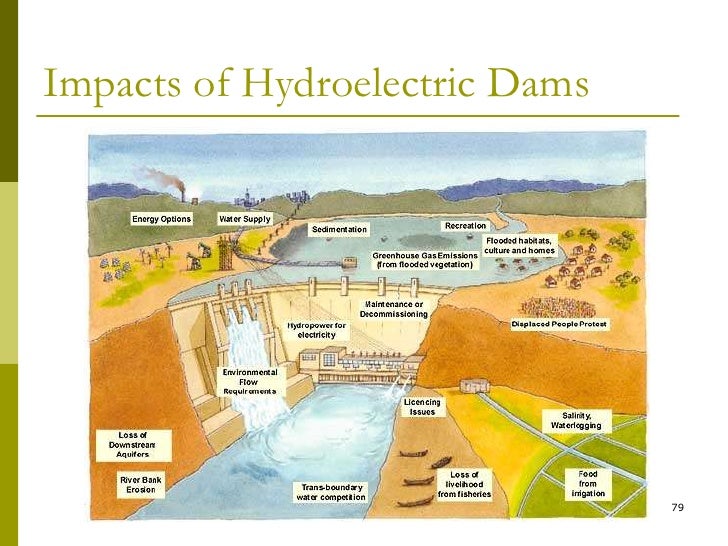
Hydropower can be a valuable source of energy, especially in areas with abundant water resources. And, compared to fossil fuels, it's often a better option. But we need to be realistic about its environmental impact. We can't just slap up a dam and call it "green." We need to carefully consider the costs and benefits, and explore other renewable energy options, too. Maybe solar panels on every rooftop? Wind turbines in every field? Okay, maybe not every field. But you get the idea.
Ultimately, the quest for clean energy is a journey, not a destination. And sometimes, that journey involves admitting that our favorite "green" solutions might have a few skeletons in their closet. Or, in this case, a few dead fish at the bottom of the reservoir.
So, the next time someone tells you that hydropower is the perfect solution, smile politely and whisper, "Have you heard about the methane?" Just kidding! (Mostly.) But maybe have the conversation. Because awareness is the first step towards finding truly sustainable energy solutions. And that's something we can all agree on...right?