
What Is The Environmental Impact Of Biomass Energy
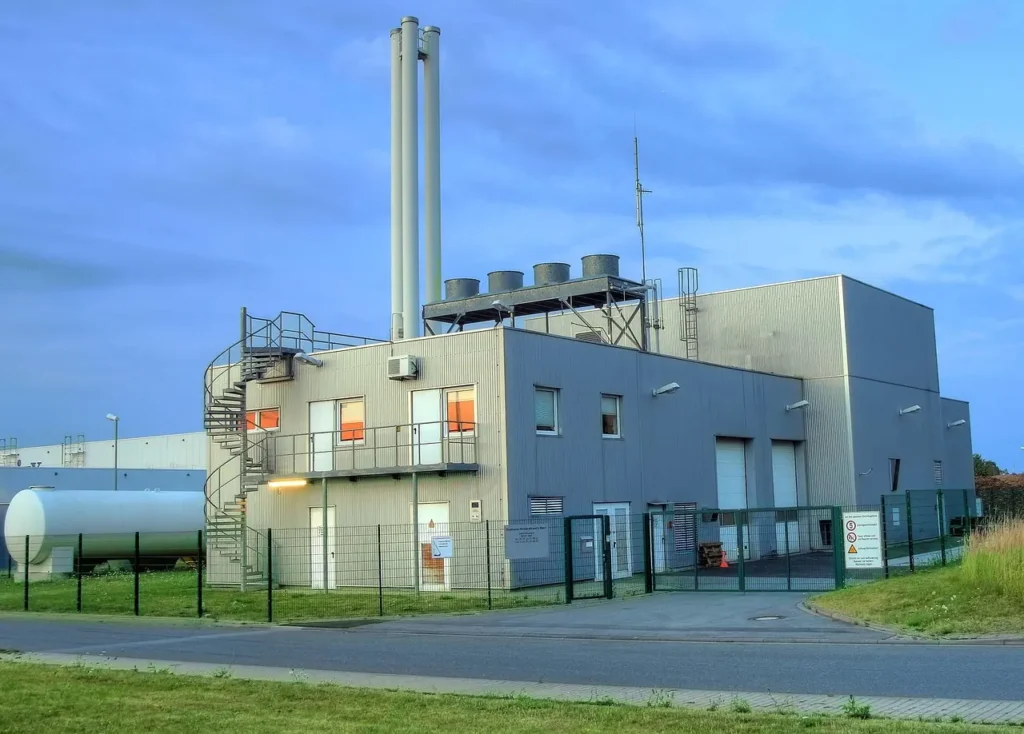
Hey everyone! Ever wondered what happens to all those wood chips, agricultural leftovers, and even that pile of leaves you raked up last fall? Well, sometimes, they get turned into biomass energy! Sounds fancy, right? But really, it's just a way of making power from organic stuff. Think of it as giving Mother Nature's leftovers a second act.
So, what's the deal? Is biomass energy a super-eco-friend, or does it have a dark side? Let's dive in and find out, keeping it real and relatable.
The Good Stuff: Renewable and Readily Available
Okay, first things first: biomass is a renewable energy source. Unlike fossil fuels (coal, oil, and gas), which take millions of years to form, we can constantly replenish biomass. We can grow more trees, cultivate more crops, and, well, leaves fall every year, don't they? Imagine your Christmas tree getting a second life powering your neighbor's lights! A little sentimental, maybe, but you get the idea.
Must Read
Plus, biomass is often locally available. Think about farmers using corn stalks to generate electricity in rural areas. This reduces our dependence on faraway oil fields and those long, fuel-guzzling transport trucks. It's like supporting your local farmers market, but for energy!
And, let's not forget about waste reduction. Biomass can use materials that would otherwise end up in landfills, like construction debris and food scraps. It's like giving trash a purpose, turning something nasty into something useful. Pretty cool, huh?
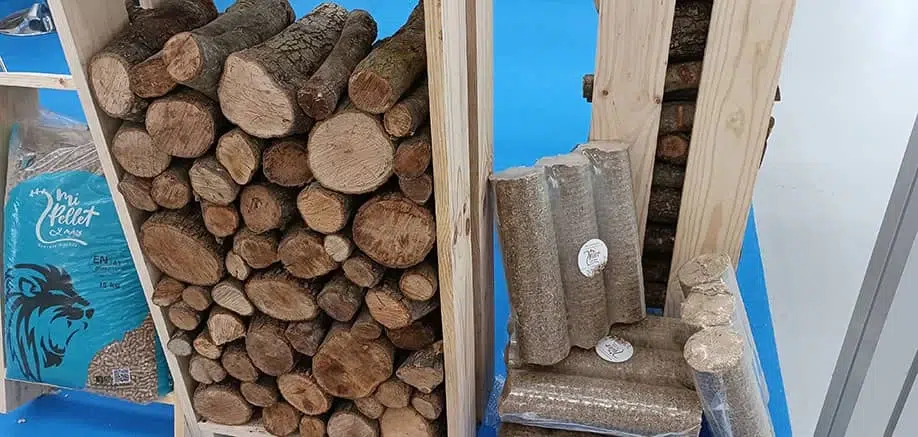
The Not-So-Good Stuff: Environmental Impacts
Now, before you start picturing a utopian future powered entirely by wood chips, let's talk about the potential downsides. Just like with any energy source, biomass isn't perfect.
One of the biggest concerns is air pollution. Burning biomass releases pollutants like particulate matter (that nasty stuff that makes the air hazy) and nitrogen oxides (which contribute to smog). It's kind of like comparing grilling with charcoal to using a gas grill - both cook your burger, but one releases more smoke.
Another thing to consider is deforestation. If we start cutting down forests at a faster rate than they can regrow to supply biomass, we're in trouble. Trees are vital for absorbing carbon dioxide, so chopping them down willy-nilly can actually worsen climate change. It's a bit like robbing Peter to pay Paul – we’re solving one problem by creating another.

Furthermore, land use is a biggie. If we start dedicating huge swaths of land to growing energy crops, that land might not be available for food production or wildlife habitat. Imagine replacing your favorite hiking trail with a field of corn destined for a power plant. Not ideal, right?
Why Should You Care? A Little Perspective
Okay, so biomass is a bit of a mixed bag. It’s not a perfect solution, but it can be part of the solution. The key is to use it sustainably. Think smart forestry practices, efficient combustion technologies, and careful land management. Like everything in life, balance is key.

Why should you care? Because your energy choices matter! Whether you're flipping a light switch, charging your phone, or heating your home, the energy you use has an impact. By understanding the pros and cons of different energy sources, you can make informed decisions and support policies that promote sustainable energy development. It's about being a responsible energy citizen!
Imagine a world where we're powering our communities with a diverse mix of renewable energy sources, including sustainably sourced biomass. A world with cleaner air, healthier forests, and a more stable climate. That's a future worth striving for, and understanding biomass energy is a small but important step in that direction.
So, next time you see a truck hauling wood chips, don't just think "firewood." Think about the potential – and the responsibility – that comes with using this readily available, and surprisingly complex, energy source. It's about making informed choices for a brighter, greener future.
