
What Is The Electric Home And Farm Authority
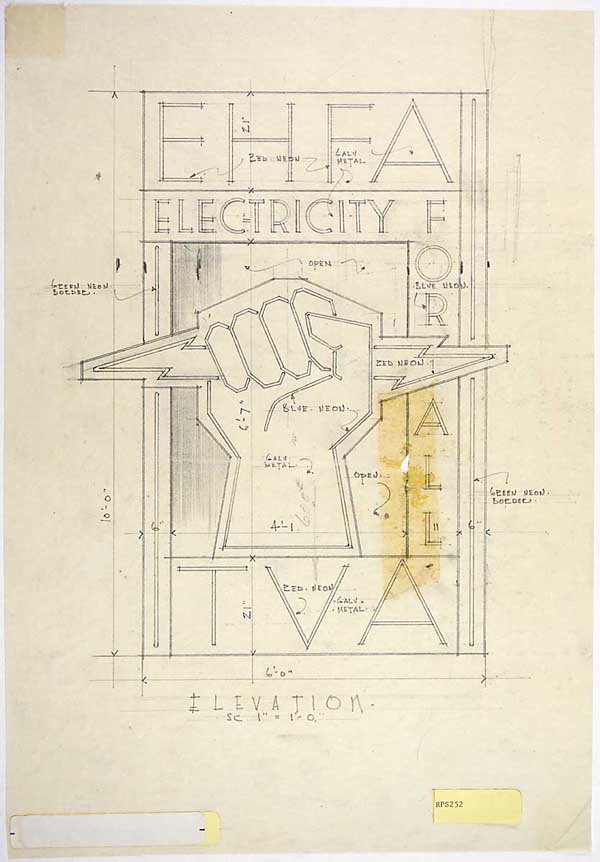
Ever heard of the Electric Home and Farm Authority? No? Don't sweat it! It sounds like something straight out of a history book, and well, it kind of is. But trust me, it’s way cooler than you might think. Think of it as the OG green initiative, a long-lost relative of Tesla and solar panels, but with a distinctly 1930s vibe.
So, what exactly was the Electric Home and Farm Authority (EHFA)? Picture this: It's the Great Depression. Times are tough, and most of rural America is still living in the dark... literally. We're talking kerosene lamps, wood-burning stoves, and a whole lot of manual labor. Now, enter Franklin D. Roosevelt and his New Deal. One of the New Deal programs was the EHFA.
Lighting Up America: One Appliance at a Time
The EHFA, established in 1933, was basically created to make electricity more accessible and affordable, especially for farmers and rural communities. Imagine trying to run a farm without electricity – it's like trying to use a smartphone powered by a potato! The EHFA aimed to change all that. But how?
Must Read
Here's where it gets interesting. The EHFA didn't just build power plants and string up power lines (that was mostly the Rural Electrification Administration, or REA, another New Deal program). Instead, the EHFA focused on getting people to actually use the electricity that was becoming available. Think of it as the marketing and sales division of rural electrification.
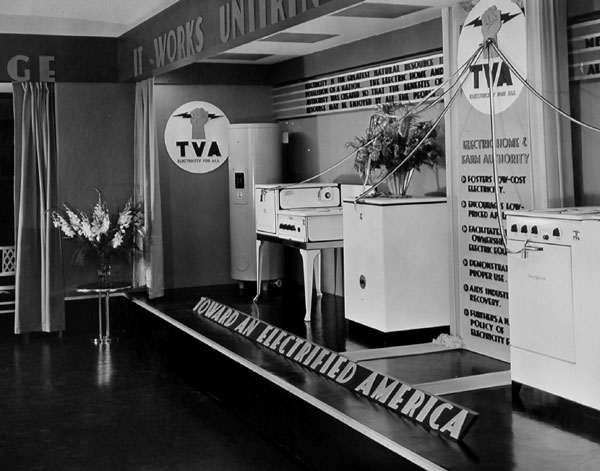
They did this by offering low-interest loans to people who wanted to buy electric appliances. We're talking refrigerators, washing machines, stoves, even radios! These loans made it possible for families to afford these modern conveniences, which in turn increased the demand for electricity. See how it all connects?

Think of it like…
…a giant infomercial for electricity, but backed by the full force of the US government! It's like if Apple started offering super cheap loans to buy iPhones in the early 2000s. That's the kind of impact the EHFA was aiming for. They wanted to create a market for electricity, and they did it by making electric appliances accessible to the average American.
And it worked! All those new appliances started buzzing and whirring, powered by the freshly strung-up power lines. The result? A huge boost to the economy, improved quality of life for rural communities, and a significant step towards modernizing America.
More than just appliances?
Okay, so we know the EHFA helped people buy appliances. But was that really all there was to it? Not exactly. The EHFA also played a crucial role in standardizing electrical equipment. Before the EHFA, there was a chaotic mix of different voltages and plug types, making it difficult for manufacturers to produce appliances that could be used everywhere.
The EHFA helped to establish industry standards, which made it easier for manufacturers to produce appliances and for consumers to use them. Think of it as the USB-C of the 1930s – a universal standard that made everything work better together.
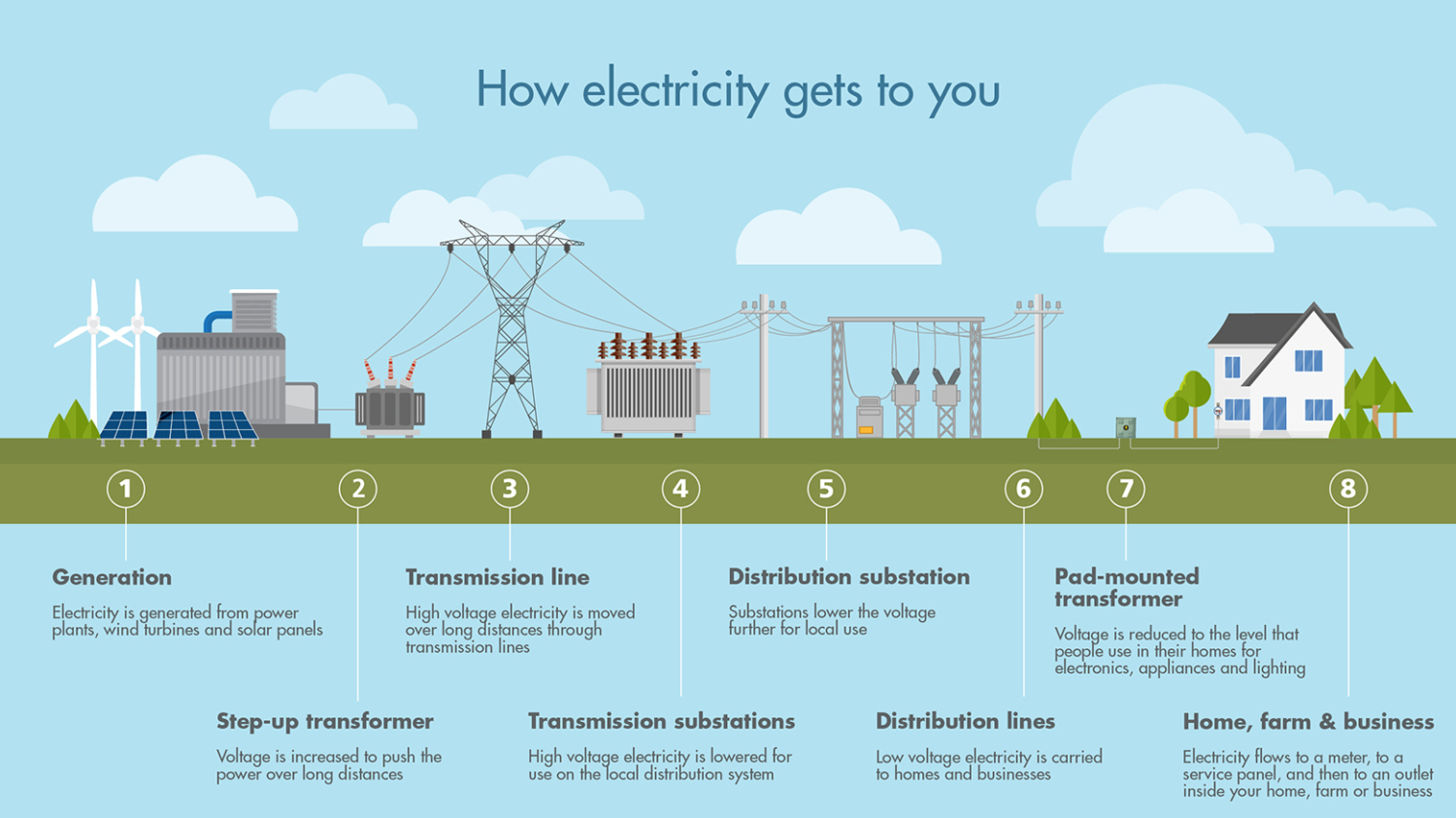
So, why is this cool? Why should we care about some government program from almost a century ago? Well, the EHFA is a fascinating example of how government can play a positive role in promoting technological innovation and improving people's lives. It shows that strategic investment in infrastructure and consumer access can have a transformative impact on society.
The Legacy Lives On
The EHFA was eventually dissolved in 1945, its mission largely accomplished. But its legacy lives on. The EHFA demonstrated the power of government-backed financing to spur innovation and adoption of new technologies.
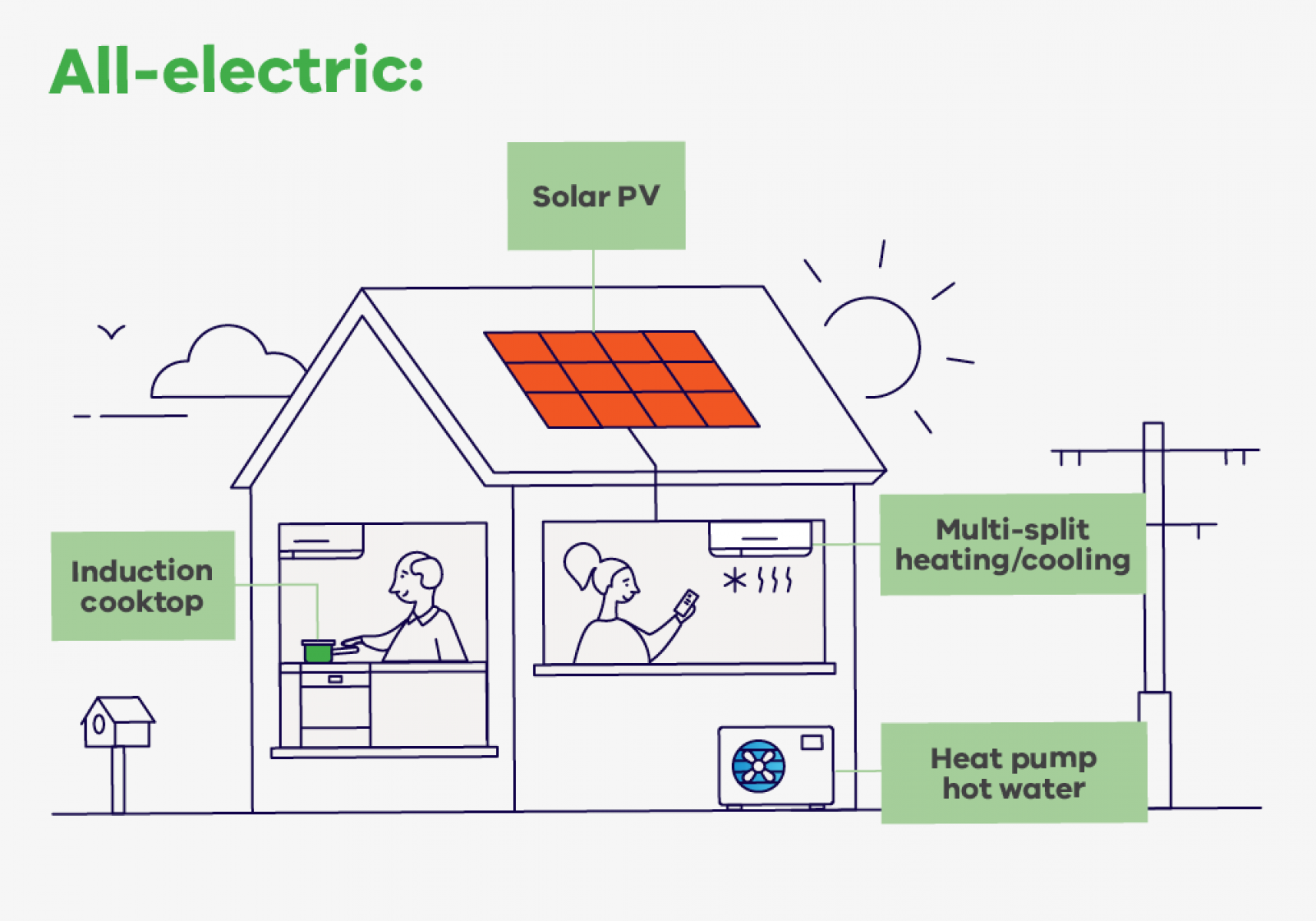
Today, as we grapple with climate change and the need to transition to a clean energy economy, the EHFA offers a valuable lesson. Government incentives and investments can play a critical role in accelerating the adoption of renewable energy technologies, just as they did with electricity in the 1930s. So, next time you see a solar panel or an electric car, remember the EHFA – the unsung hero of electrification, and a possible blueprint for a sustainable future.
Is it kind of neat to think that these ideas were being put into practice so long ago?
Pretty cool, right?