
What Is The Effect Of Fossil Fuels On The Environment
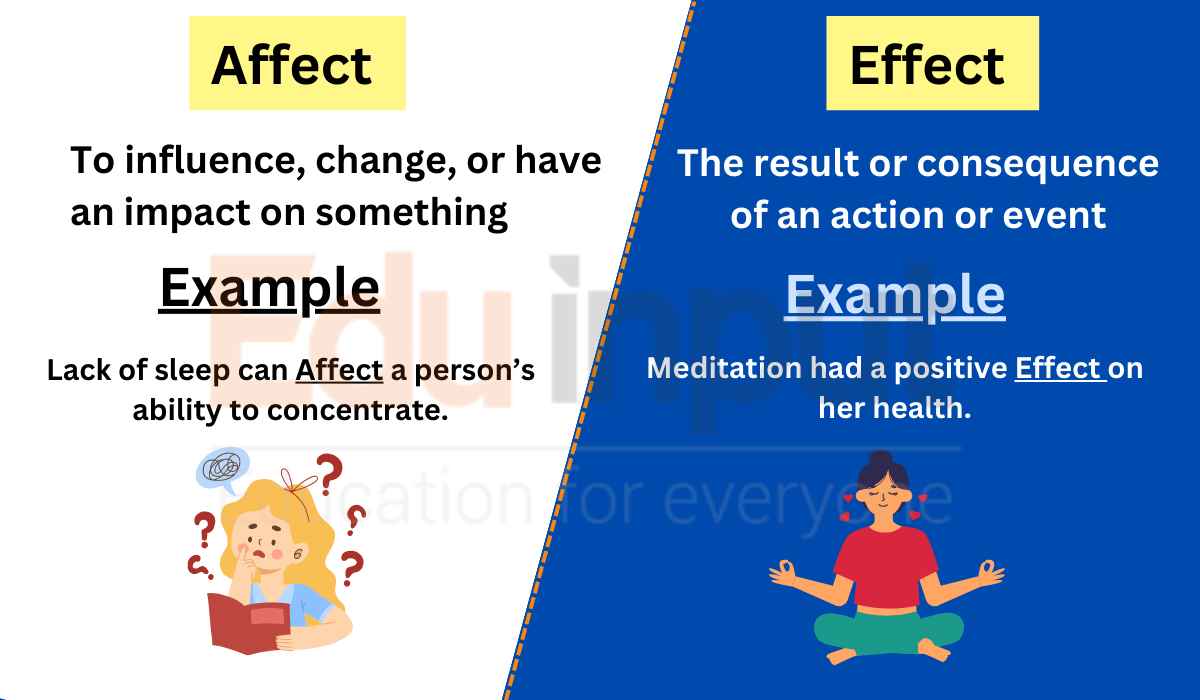
Hey there, eco-conscious friend! Let's chat about something super important: fossil fuels. You know, the stuff that powers our cars, heats our homes, and keeps the lights on? They're a big part of our lives, but what's the deal with their environmental impact? Let's dive in, shall we?
The Culprits: Coal, Oil, and Natural Gas
First things first, what are fossil fuels? They're basically the remains of ancient plants and animals that have been chilling underground for millions of years. Coal, oil, and natural gas are the big three, and when we burn them, things get a little…complicated.
Think of it like this: you're making a delicious batch of cookies (yum!). But what if, instead of just baking, you also released a whole lot of smoke and crumbs into the air? Not so yummy anymore, right? That's kind of what happens when we burn fossil fuels.
Must Read
The Greenhouse Effect: Not as Cozy as it Sounds
Burning fossil fuels releases greenhouse gases, primarily carbon dioxide (CO2). These gases trap heat in the atmosphere, leading to the greenhouse effect. Imagine your car parked in the sun on a hot day – that’s the greenhouse effect in action! Only instead of just your car, it's the whole planet.
This warming trend is what causes climate change, bringing us rising sea levels (bye-bye, beach houses!), more extreme weather events (hello, hurricanes!), and disruptions to ecosystems (sad face for polar bears!). It's a real buzzkill, to say the least.
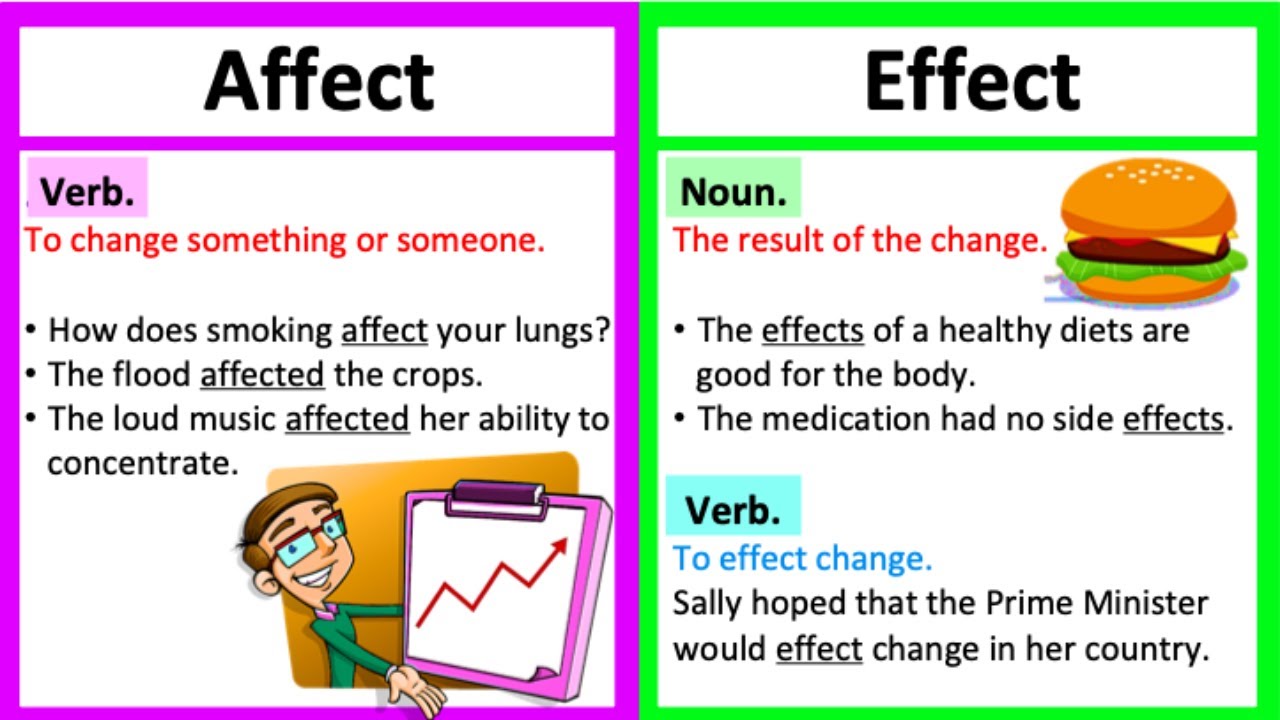
Air Pollution: Not Just a Smoggy Day
Beyond CO2, burning fossil fuels also releases other pollutants like sulfur dioxide and nitrogen oxides. These contribute to air pollution, which can cause respiratory problems, heart disease, and other health issues. Think about those hazy, smoggy days in big cities – that’s often due to fossil fuel emissions.
Remember that classic 80s song "Smog City" by the Dead Kennedys? It might sound a bit extreme, but it highlights the serious health consequences of air pollution. Good music, important message!
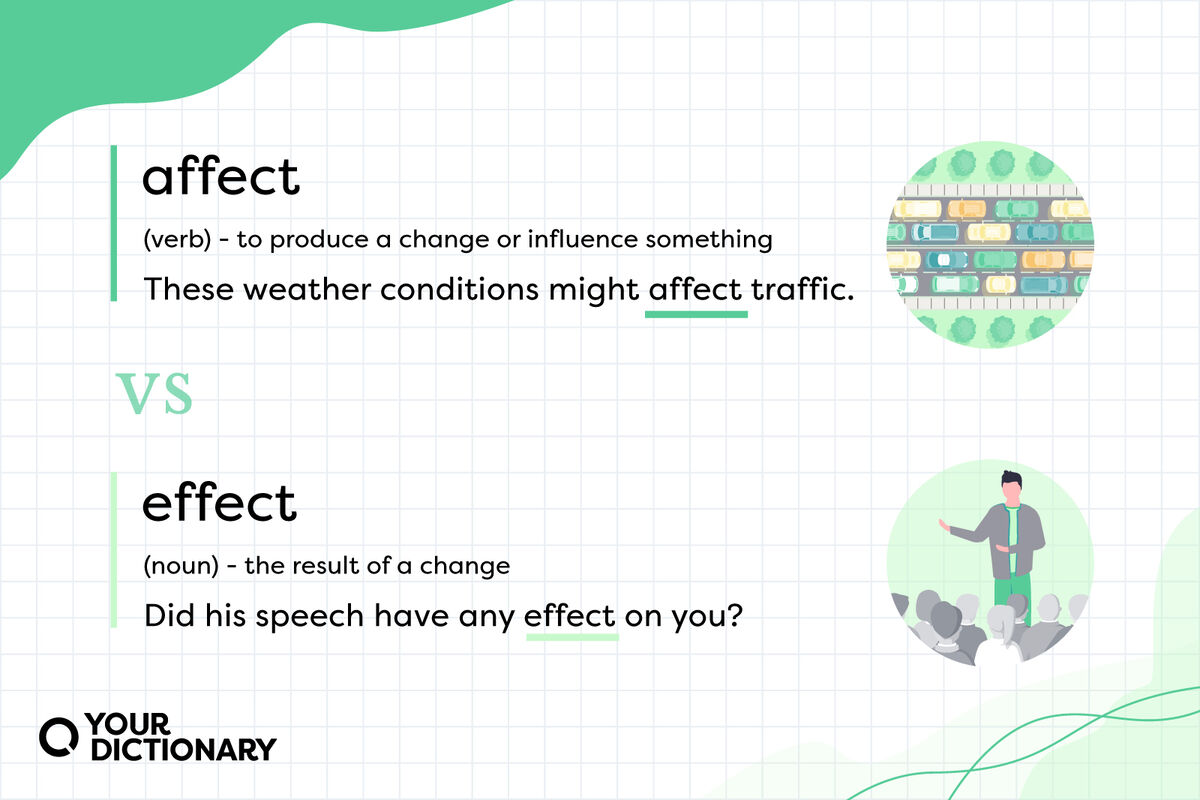
Water Woes: A Ripple Effect
It's not just the air we need to worry about. Fossil fuel extraction and transportation can also pollute our water sources. Oil spills, for example, can devastate marine life and contaminate drinking water. Fracking, a method of extracting natural gas, can also pollute groundwater with harmful chemicals. It's a real downer for our aquatic friends.
Practical Tips for a Brighter Future
Okay, okay, so it sounds a bit gloomy. But don't despair! We're not doomed! There are lots of things we can do to reduce our reliance on fossil fuels and protect our planet.

- Go Green(er): Switch to renewable energy sources like solar or wind power. Many energy companies offer green energy options.
- Drive Smarter: Consider a hybrid or electric vehicle, or simply drive less. Walk, bike, or take public transportation whenever possible. Carpool, anyone?
- Reduce, Reuse, Recycle: It’s a classic for a reason! Reducing your consumption, reusing items, and recycling materials all help lower your carbon footprint.
- Eat Responsibly: Support sustainable agriculture and reduce your meat consumption. Animal agriculture is a significant contributor to greenhouse gas emissions.
- Speak Up: Let your elected officials know that you care about climate change and want them to take action. Every voice counts!
Small Changes, Big Impact
It’s easy to feel overwhelmed by the scale of the problem, but remember that even small changes can make a big difference. Think of it like this: every time you choose to bike to work instead of driving, you're sending a little love note to the planet. Every time you recycle, you're giving Mother Nature a high five!
And remember, it's not about being perfect. It's about making conscious choices and doing your part to create a more sustainable future. After all, we only have one planet, and it’s worth protecting. So, let’s raise a (reusable) glass to a greener tomorrow!
Take a moment today, maybe while you're enjoying your morning coffee (hopefully brewed with sustainably sourced beans!), to think about how you can make a small change in your routine to lessen your reliance on fossil fuels. Maybe it's opting for a walk during your lunch break instead of driving to grab a bite, or simply unplugging your chargers when they're not in use. Every little bit helps, and together, we can create a healthier, happier planet for ourselves and future generations.
