
What Is The Downside Of Co2 Laser Resurfacing

Okay, so you're dreaming of that flawless, airbrushed skin you see on Instagram? Maybe you've been eyeing CO2 laser resurfacing, and honestly, who can blame you? The before-and-after pics are seriously tempting. But, like that vintage dress you saw online that looked amazing on the model but… not so much on arrival, it's wise to peek behind the curtain. Let's talk about the real deal – the potential downsides of CO2 laser resurfacing.
The "Ouch" Factor and Downtime
Let's not sugarcoat it. CO2 laser resurfacing isn't exactly a walk in the park. We're talking about a controlled injury to your skin, designed to stimulate collagen production and reveal a fresher layer underneath. Think of it like a reboot for your face. Because of this, there will be some discomfort, which varies from person to person and is usually managed with topical or local anesthesia. Post-procedure, expect redness, swelling, and peeling – sometimes likened to a severe sunburn. You'll likely need a week or two to hide out, focusing on healing. Remember that scene in "Sex and the City" when Samantha got a chemical peel? While CO2 lasers are more advanced, it gives you a rough idea. Plan accordingly! Think comfy pajamas, binge-worthy TV, and a whole lot of hydration.
Practical Tip: Stock up on gentle cleansers, thick moisturizers (think Aquaphor or CeraVe Healing Ointment), and of course, sunscreen, sunscreen, sunscreen! Seriously, SPF 30 or higher is your new best friend.
Must Read
Risk of Pigmentation Changes
One potential downside is the risk of hyperpigmentation (darkening of the skin) or hypopigmentation (lightening of the skin). This is more common in people with darker skin tones. Think of it as your skin's melanin throwing a little tantrum after being disturbed. Choosing a skilled and experienced provider who understands the nuances of treating different skin types is crucial to minimize this risk. They can adjust the laser settings and recommend pre- and post-treatment skincare to help prevent unwanted pigmentation changes.
Fun Fact: Did you know melanin is the same pigment that gives us our hair and eye color? It's also your skin's natural defense against UV rays. Treat it with respect!

Infection and Scarring (Rare, But Possible)
While rare, there's always a risk of infection or scarring with any procedure that breaks the skin. That's why diligent aftercare is non-negotiable. Follow your doctor's instructions to a T, keep the treated area clean, and report any signs of infection (increased redness, pain, pus) immediately. Choosing a reputable clinic with stringent hygiene protocols significantly reduces these risks.
Consider this: The rise of K-Beauty emphasizes gentle exfoliation and hydration as daily rituals. Maybe exploring those options before jumping to more invasive procedures could offer a gentler path to glowing skin.

Cost Considerations
CO2 laser resurfacing isn't cheap. It's an investment, no doubt. The price can vary depending on the area treated, the clinic's location, and the experience of the provider. Factor in the cost of pre- and post-treatment skincare, too. This procedure typically isn't covered by insurance because it's considered cosmetic.
Money-Saving Tip: Many clinics offer financing options or payment plans. Research and compare prices from different providers, but don't compromise on quality to save a few bucks. Cheaping out on your skin isn't worth it in the long run.
Not a One-Size-Fits-All Solution
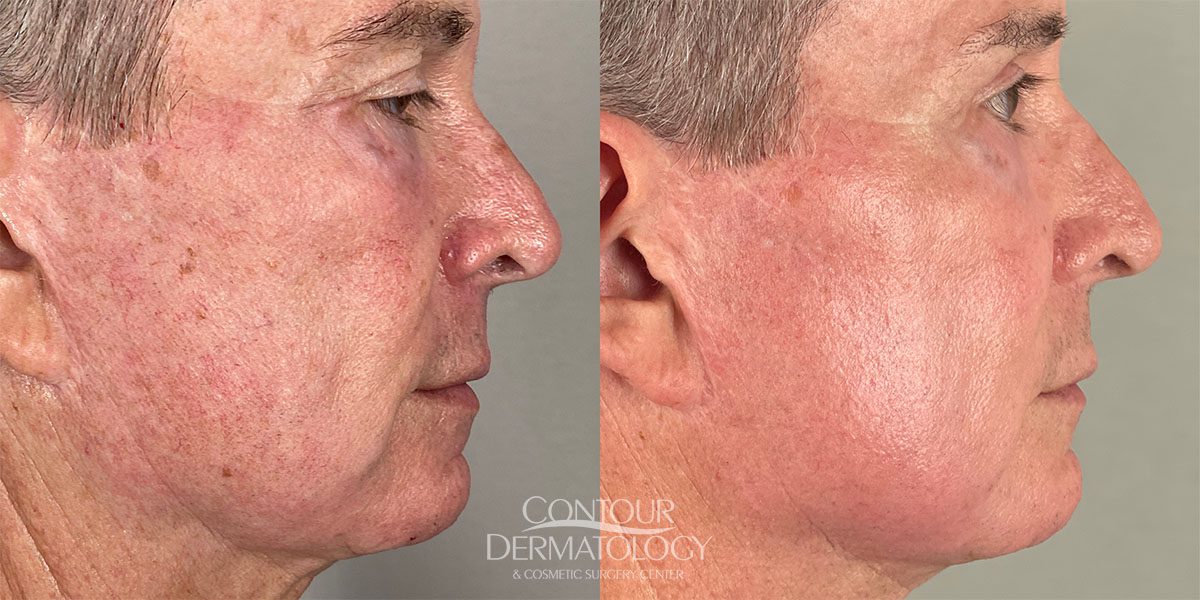
CO2 laser resurfacing isn't the answer to every skin concern. It's excellent for treating wrinkles, scars, and sun damage, but it might not be the best option for active acne or certain skin conditions. A thorough consultation with a qualified dermatologist or plastic surgeon is essential to determine if you're a suitable candidate and to explore alternative treatments if needed.
Food for thought: We often chase perfection, fueled by filtered images online. Remember to celebrate your natural beauty and focus on healthy skin habits first. Healthy skin is beautiful skin.

The Long Game
The results of CO2 laser resurfacing can be impressive and long-lasting, but they're not permanent. The aging process will continue, and sun exposure will always take its toll. Maintaining your results requires a consistent skincare routine, sun protection, and possibly periodic maintenance treatments.
Ultimately, deciding whether or not to undergo CO2 laser resurfacing is a personal one. Weighing the potential benefits against the downsides, understanding the risks, and having realistic expectations are key. It's about making an informed decision that aligns with your goals and values.
A little reflection: In our quest for external beauty, let's not forget the importance of inner radiance. Confidence, kindness, and a genuine smile are the best beauty enhancers of all. They're free, effective, and always in style!