What Is The Distribution Charge On My Electric Bill
Ever looked at your electric bill and felt like you were deciphering ancient hieroglyphics? Don't worry, you're not alone! While the kilowatt-hours and taxes might seem straightforward, there's often one line item that causes confusion: the distribution charge. But fear not, because today we're going to demystify this charge in a fun and easy way. Think of it as unlocking a secret level in the game of household finances!
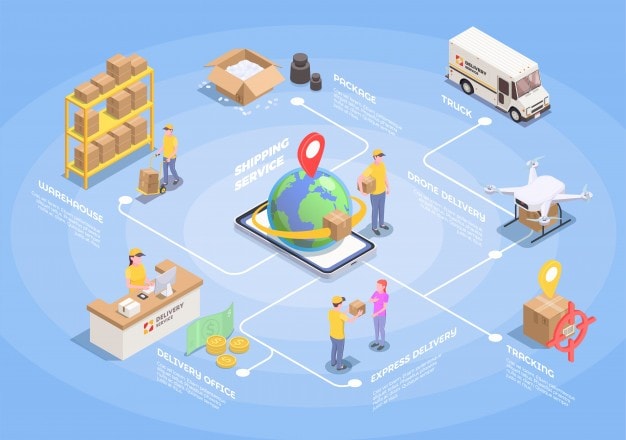
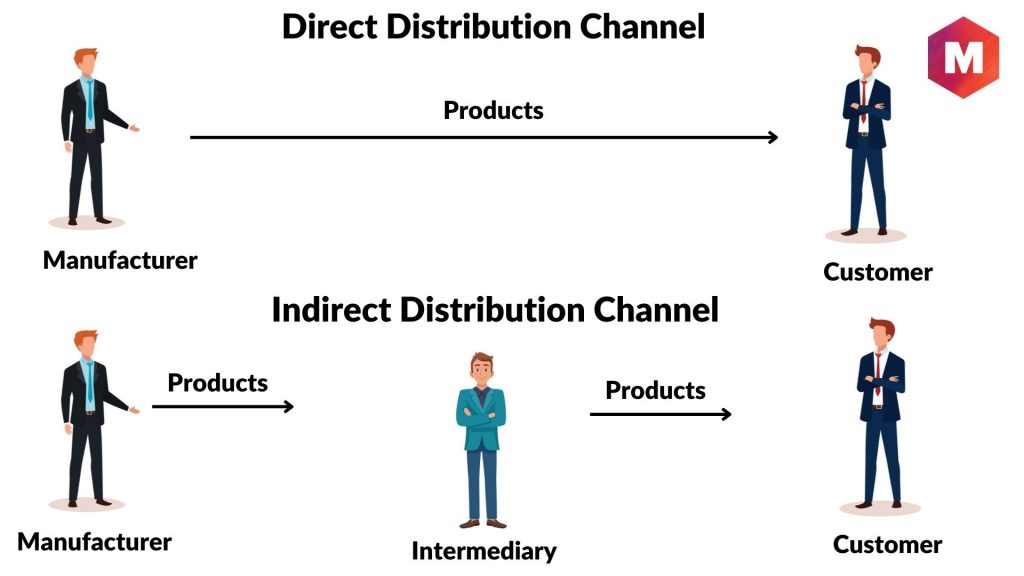
So, what exactly is the distribution charge? Simply put, it's the fee your electricity provider charges for delivering the electricity to your home or business. Think of it like this: the electricity generation is the bakery that bakes the delicious energy pie, and the distribution charge is the delivery fee for getting that pie to your doorstep. It covers the cost of maintaining the infrastructure needed to bring that power to you – things like power lines, poles, transformers, substations, and all the other gizmos and gadgets that make modern life possible.
Why is there a separate distribution charge? Well, generating electricity and delivering it are two different things, often handled by different parts of the energy company (or even entirely different companies in some areas). Separating the costs makes things more transparent. You can see exactly how much you're paying for the electricity itself and how much you're paying to get it to your home.
Must Read
But what are the benefits of having a reliable distribution system? Think about it – a robust and well-maintained electrical grid ensures you can binge-watch your favorite shows, keep your fridge running, and charge your phone without worrying about constant power outages. The distribution charge helps fund upgrades and maintenance to that system, which, in turn, leads to fewer blackouts and a more dependable flow of power.
Furthermore, the distribution charge often includes costs associated with customer service, meter reading, and billing. So, it's not just about the wires and poles; it's also about the people who keep the lights on behind the scenes, answering your questions and ensuring accurate billing.
While you can't directly control the distribution charge (it's usually a regulated fee), understanding it can help you better understand your overall energy consumption. By knowing where your money is going, you can make more informed decisions about your energy usage and explore ways to conserve power, potentially leading to lower bills overall.
Next time you glance at your electric bill, don't let the distribution charge intimidate you. Now you know it's simply the cost of bringing the magic of electricity to your home, powering your life, and keeping the internet running so you can read more fun articles like this one!