What Is The Disadvantage Of Hydroelectric Energy

Alright, let's dive into something super cool and important: hydroelectric energy! It's a topic that's become increasingly popular as we all look for cleaner ways to power our lives. We're talking about harnessing the awesome power of water to generate electricity – pretty neat, right? We'll get into the disadvantages, but first, let's quickly recap why everyone's so excited about it. Think of it as the original renewable energy source; we've been using watermills for centuries!
So, what's the big deal with hydroelectric energy? The purpose is simple: to convert the kinetic energy of flowing water into electricity. The benefits are plentiful! Hydroelectric power is a renewable energy source, meaning we're not burning fossil fuels and releasing greenhouse gases into the atmosphere. That's a major win for our planet! Plus, once a hydroelectric dam is built, it can provide a reliable source of electricity for decades, and these power plants can adjust their production very quickly, which help stabilize electricity grids.
But hold on a second – nothing's perfect, right? While hydroelectric energy is fantastic in many ways, it does come with its own set of challenges and disadvantages. This is where things get interesting.
Must Read
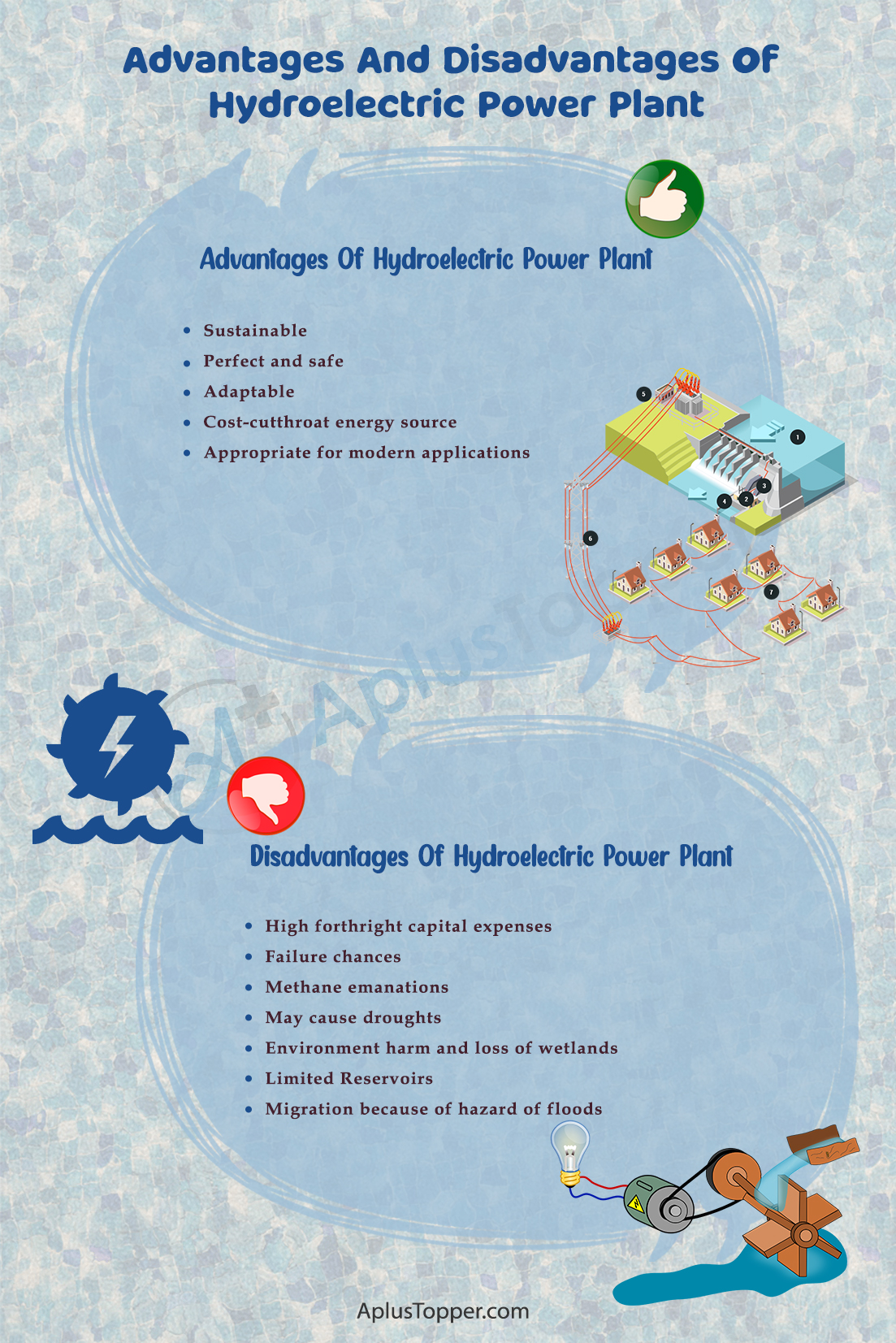
One of the biggest disadvantages is the environmental impact. Building a hydroelectric dam can completely transform a river ecosystem. We're talking about flooding large areas of land to create reservoirs, which can displace communities, destroy forests, and disrupt wildlife habitats. Imagine the impact on fish populations, especially migratory species like salmon, which need to travel upstream to spawn! These disruptions can have long-lasting effects on the entire food chain.

Another disadvantage is the high upfront cost of building a hydroelectric dam. These projects are massive and require significant investment in engineering, construction, and materials. That's a lot of money before you even generate a single watt of electricity! And, the cost and time needed for obtaining regulatory approval can be extensive.
Then there's the issue of sedimentation. Dams trap sediment that would normally flow downstream, which can lead to erosion problems further down the river. It can also reduce the fertility of downstream farmland that relies on sediment deposits. This buildup can eventually reduce a reservoir's water storage capacity, reducing the dam's electricity generating capacity.

Finally, let's not forget about the potential for dam failures. While rare, dam failures can be catastrophic, causing massive flooding and loss of life. It’s something that needs to be seriously considered when planning and maintaining these structures.
So, there you have it! Hydroelectric energy is a powerful and valuable source of renewable energy, but it's essential to weigh the benefits against the disadvantages before embarking on these massive projects. By understanding the full picture, we can make informed decisions about how to best utilize this resource while minimizing its impact on the environment and communities.