What Is The Difference Between Seer And Seer2
Ever heard people talking about "SEER" and "SEER2" when discussing air conditioners and heat pumps? It might sound like complicated jargon, but understanding the difference can actually save you money and help you make smarter decisions about your home comfort! Think of it like knowing the miles per gallon of your car – it’s a key piece of information for efficient and cost-effective operation. So, let’s dive in and demystify these important ratings.
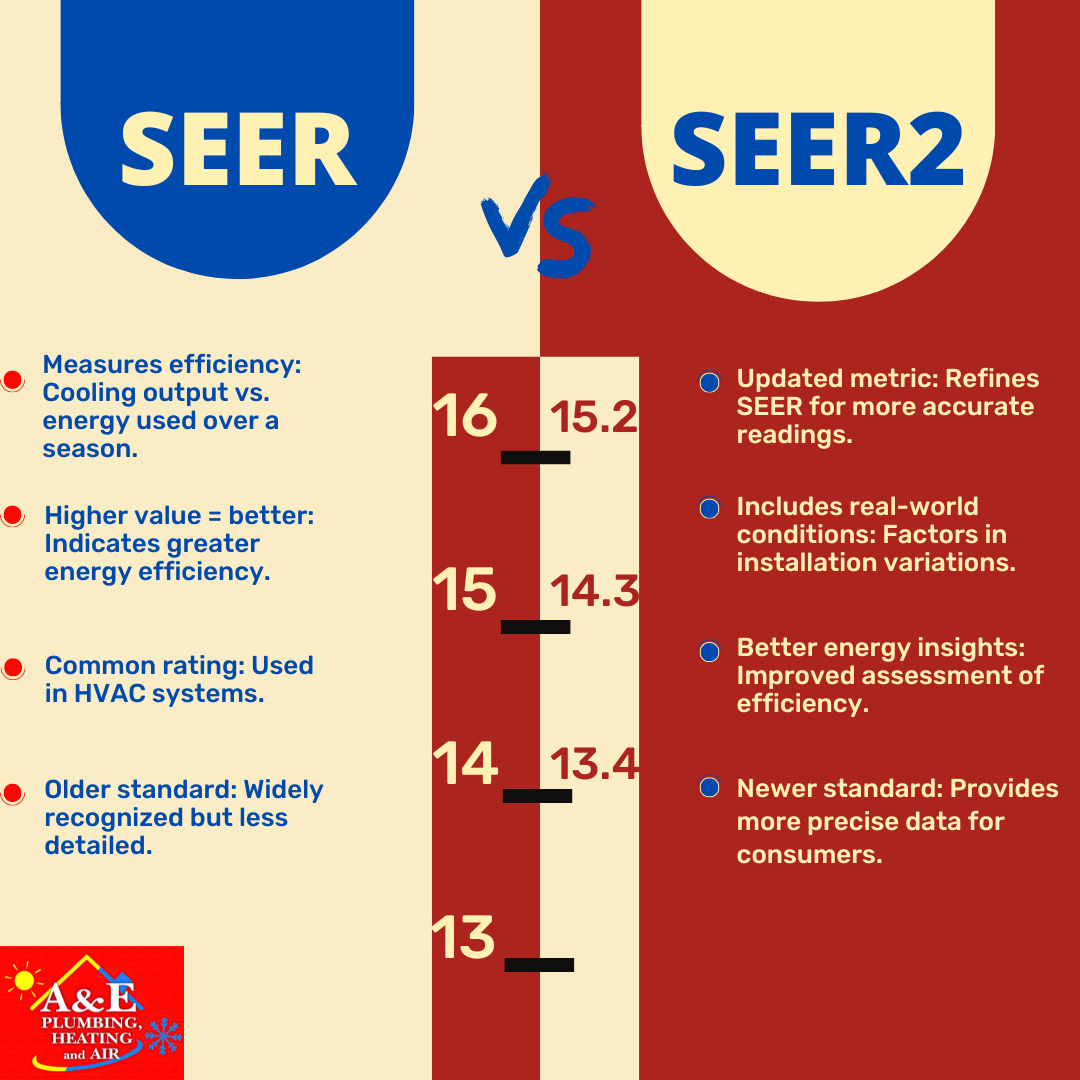
What is SEER? SEER stands for Seasonal Energy Efficiency Ratio. It's a measurement of how efficiently an air conditioner or heat pump cools your home over an entire cooling season. The higher the SEER rating, the more efficient the unit, meaning it uses less energy to provide the same amount of cooling. For beginners, just remember: higher SEER = lower energy bills. For families, a higher SEER unit might mean extra cash for summer vacations. And for the hobbyist DIYer, understanding SEER allows you to make informed choices during installation or maintenance.
What is SEER2? SEER2 is the updated, more rigorous version of SEER. The main purpose of SEER2 is to provide a more realistic and accurate representation of an air conditioner's energy efficiency under real-world conditions. Think of it as a more challenging test for the equipment. The testing procedures are different, and the minimum required SEER rating for new units has increased in many parts of the country. This means that a SEER 15 unit tested under the old standards might only be rated as a SEER2 14.3 unit under the new standards. For beginners, it's crucial to understand that SEER2 ratings are designed to be more dependable. For families, this translates to more predictable energy savings. And for the hobbyist, SEER2 helps you better assess the true energy performance of a system.
Must Read
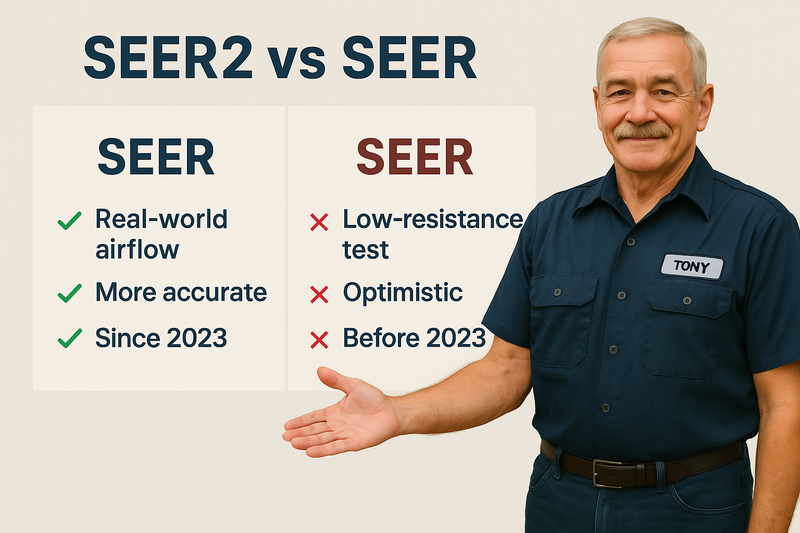
Key Differences and Examples: The biggest difference is the testing method. SEER2 incorporates more realistic static pressure, which simulates the resistance to airflow in a typical duct system. Imagine trying to blow air through a slightly clogged straw – that's similar to what static pressure represents. Because of the stricter testing, SEER2 ratings are generally slightly lower than their corresponding SEER ratings. For example, a mini-split system might have previously boasted a SEER of 20, but under SEER2 standards, it might be rated at 18.5. Another variation you might see is that different regions have different minimum SEER2 requirements depending on their climate. The hotter the climate, the higher the minimum SEER2 requirement usually is.
Tips for Getting Started: If you're buying a new air conditioner or heat pump, always look for the SEER2 rating. It's the current standard! Don't just focus on the number, though. Consider the size of your home, your climate, and your budget. A super-high SEER2 unit might not be necessary if you live in a mild climate and have a small home. Get multiple quotes from reputable HVAC contractors and ask them to explain the SEER2 ratings of the units they recommend. And remember to properly maintain your system – regular filter changes and professional tune-ups will keep it running efficiently, regardless of the SEER2 rating.
Understanding the difference between SEER and SEER2 might seem technical, but it's really about empowering yourself to make informed decisions. By paying attention to these ratings, you can enjoy a more comfortable home, save money on energy bills, and even contribute to a more sustainable environment. So, embrace the SEER2! It's a powerful tool in your home comfort arsenal.