
What Is The Difference Between Brass And Bronze
Hey there, metal maniac! Ever been admiring a shiny doorknob or a cool statue and wondered, "Is that brass or bronze?" Yeah, me too! They look kinda similar, don't they? Like twins separated at birth… or maybe adopted brothers who share a penchant for shiny things. Let's dive into the differences and clear up the confusion, shall we?
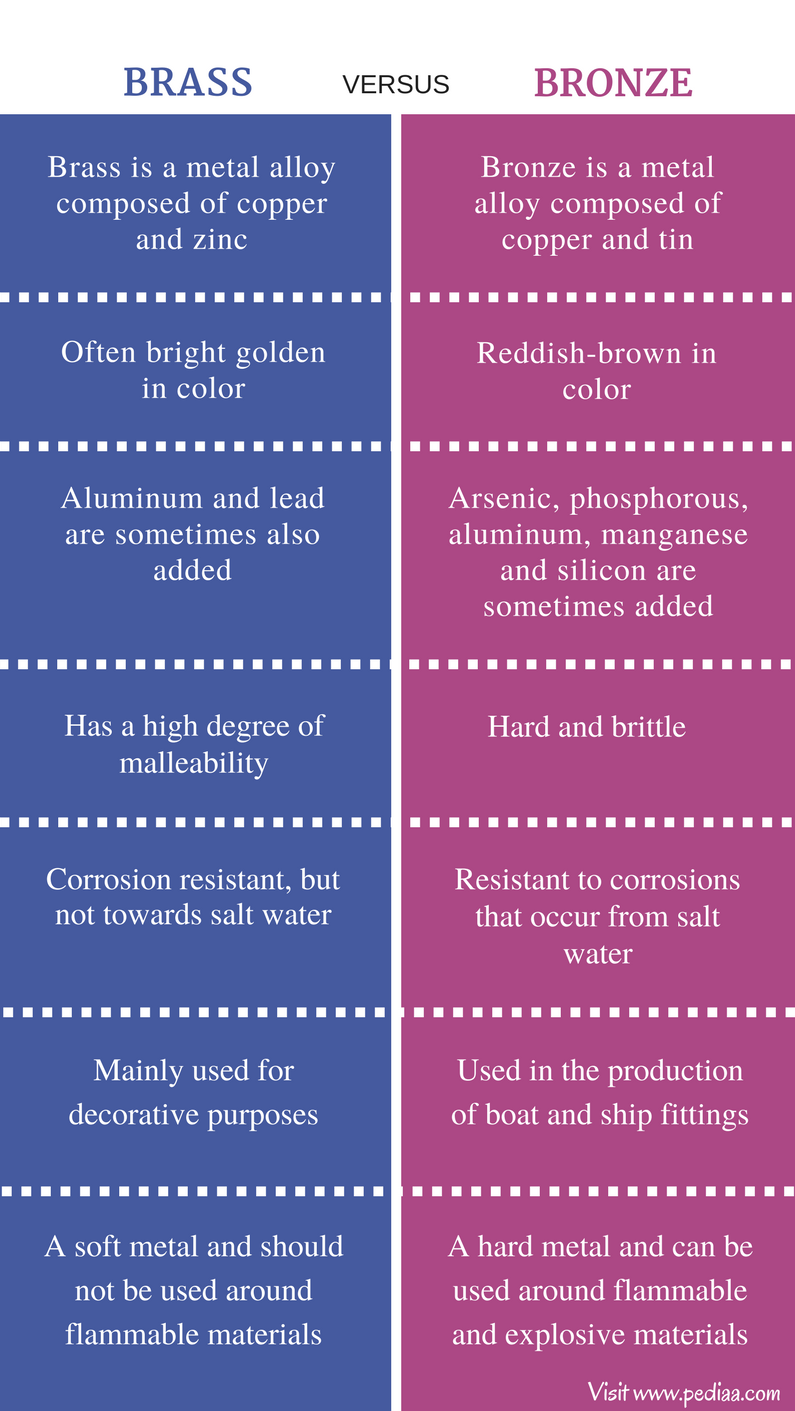
Think of it this way: they're both copper alloys, meaning they're made mostly of copper, but with a little something extra added to spice things up. It's like adding salt and pepper to your cooking – makes all the difference!
Brass: The Znappy One
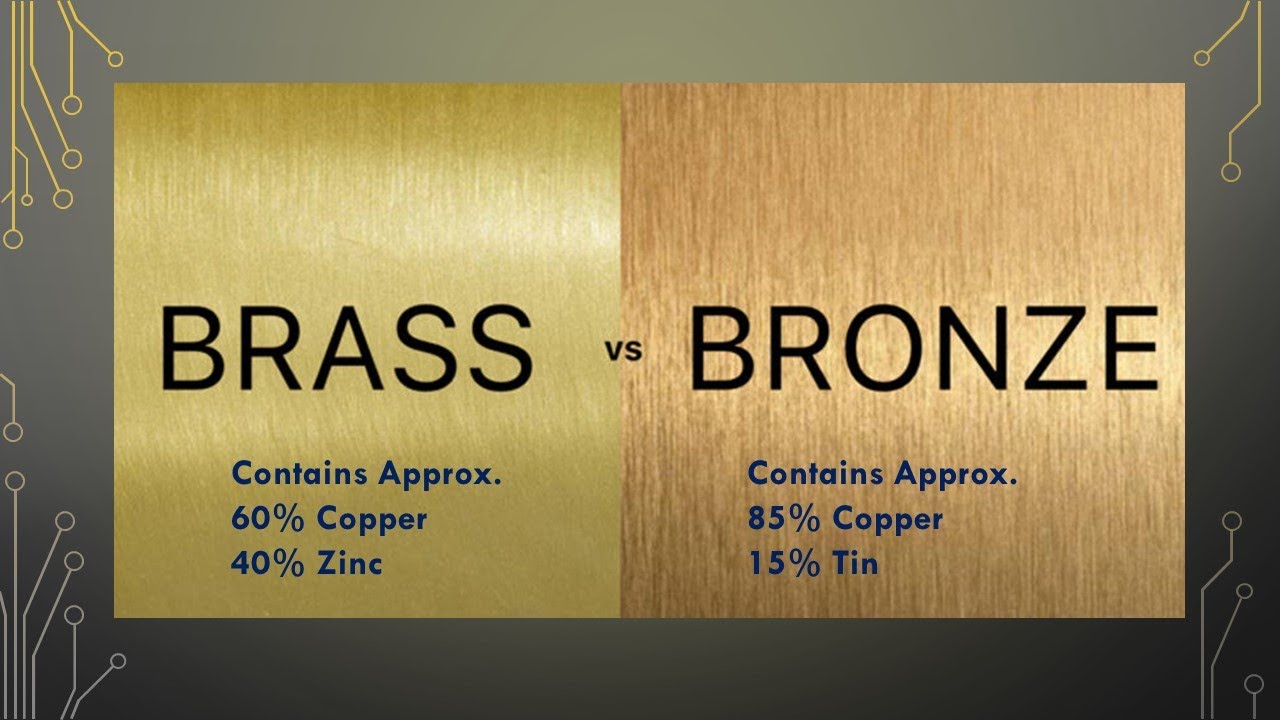
Brass is essentially copper and zinc. Yep, that's it! Simple, right? Think of Zinc as Copper's fun-loving, slightly rebellious sidekick. It's what gives brass its distinctive look and some of its awesome properties.
Must Read
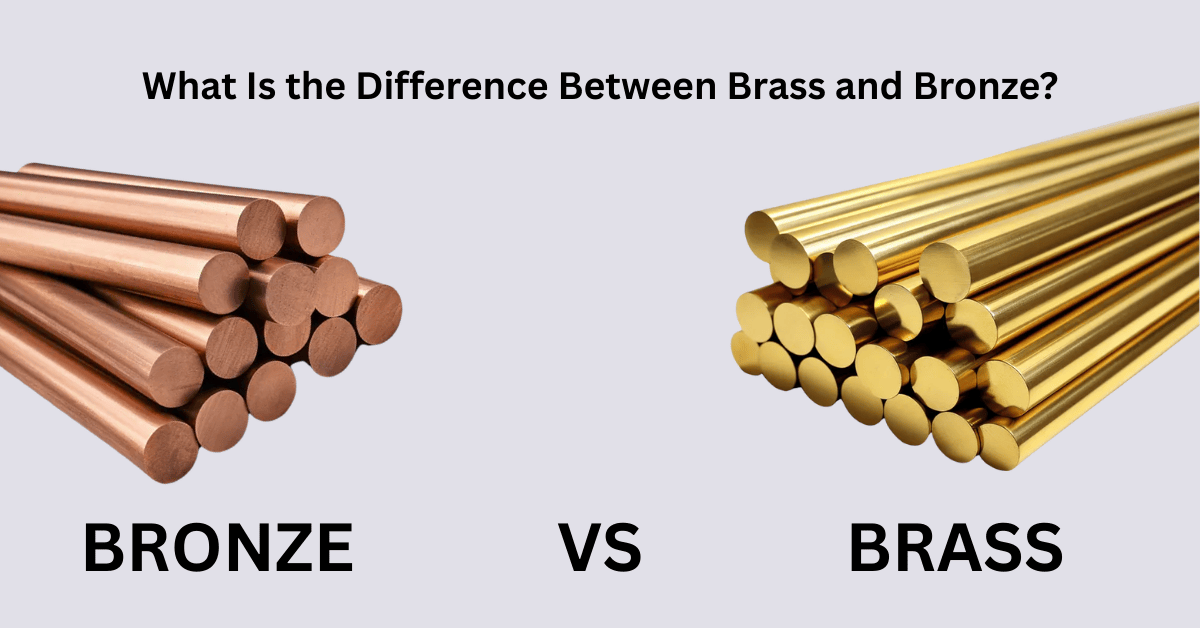
Brass is known for its bright, golden hue. Imagine a perfectly polished trumpet or a vintage candlestick holder – that's usually brass showing off its sunny disposition.
Uses for Brass: You'll find brass everywhere! Think: musical instruments (trumpets, trombones, saxophones), plumbing fittings, decorative hardware (doorknobs, hinges), and even ammunition casings! It's the workhorse of the metal world.
Why is it so popular? Well, brass is pretty good at resisting corrosion, although it can tarnish over time. It's also relatively easy to work with, which makes it a favorite among manufacturers. Plus, it's got that certain je ne sais quoi that just screams "classic elegance," don't you think?

And here's a fun fact: ever heard the term "brassy?" It often refers to someone who's a bit bold and confident. Maybe it's because brass itself is so… well, brassy! Or maybe it's just a coincidence. Who knows?
Bronze: The Tin-tastic One
Bronze, on the other hand, is copper and tin. That's right, Tin is the magical ingredient in bronze! Tin gives bronze its unique character, like a wise old wizard adding a touch of ancient magic to the mix.
Bronze typically has a reddish-brown color, sometimes with a slightly duller finish than brass. Think ancient statues, ship propellers, and… well, you get the picture. It's the color of history!
Uses for Bronze: Bronze is a champ when it comes to resisting corrosion, especially in saltwater environments. That's why it's often used for marine applications, like ship propellers and fittings. It's also the go-to metal for bells (think church bells – ding dong!) and some types of springs and bearings.
Here’s a cool thing about bronze: it's harder than brass. It’s tough stuff! This makes it ideal for applications where durability is key. Think weapons and armor from ye olden days. You wouldn't want your sword bending in the middle of a battle, would you?
Another fun fact: The Bronze Age! Yep, entire era of human history named after this magnificent metal. That’s how important bronze was (and still is!).
Brass vs. Bronze: The Showdown!
So, to recap, here's the cheat sheet:
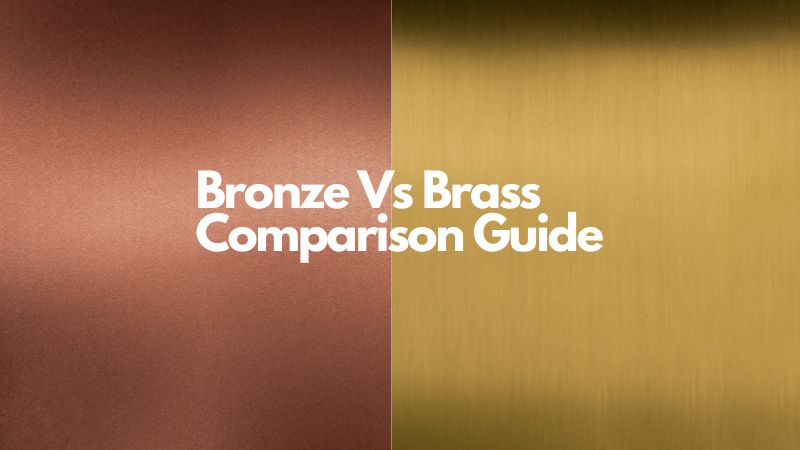
- Brass: Copper + Zinc. Typically golden-yellowish. Used in musical instruments, plumbing, and hardware.
- Bronze: Copper + Tin. Typically reddish-brown. Used in marine applications, bells, and statues.
Color: Brass is generally brighter and more golden, while bronze tends to be darker and more reddish-brown.
Corrosion Resistance: Both resist corrosion, but bronze is especially good in saltwater.
Hardness: Bronze is generally harder and more durable than brass.
Sound: Both have unique sound qualities when struck. That's why they're used in bells and cymbals. You could say they both have a metallic personality!
Ultimately, the best metal for a particular job depends on the specific application. But now you know the basics, so you can impress your friends with your newfound metal knowledge!
So next time you see a shiny metal object, you can confidently declare, "Aha! That's either brass or bronze!" And who knows, maybe you'll even start a fascinating conversation about the wonders of metallurgy. Stranger things have happened!
Now go forth and spread your metal wisdom! And remember, whether it's brass or bronze, every metal has its own unique story to tell. Keep exploring, keep learning, and keep shining!