What Is The Difference Between Amps And Watts
Ever wondered what makes your electric guitar scream, your pottery kiln sizzle, or your Christmas lights twinkle just so? The secret lies in understanding two fundamental concepts: amps and watts. They're like the peanut butter and jelly of electrical power, and knowing the difference can unlock a world of creative possibilities, not to mention prevent a blown fuse or two!
Why should you, as an artist, hobbyist, or just a curious soul, care about amps and watts? Well, think of it this way. For artists working with electronics, understanding power requirements is crucial. For example, if you're building a light-up sculpture, knowing the wattage of your LEDs and the amperage of your power supply ensures your art glows brightly without overloading the system. Hobbyists who tinker with circuits, like building their own guitar amplifiers or custom lighting rigs, can use this knowledge to avoid costly mistakes and achieve the desired effect. Even for casual learners, understanding these concepts demystifies the world of electricity and empowers you to make informed choices about the appliances you use daily.
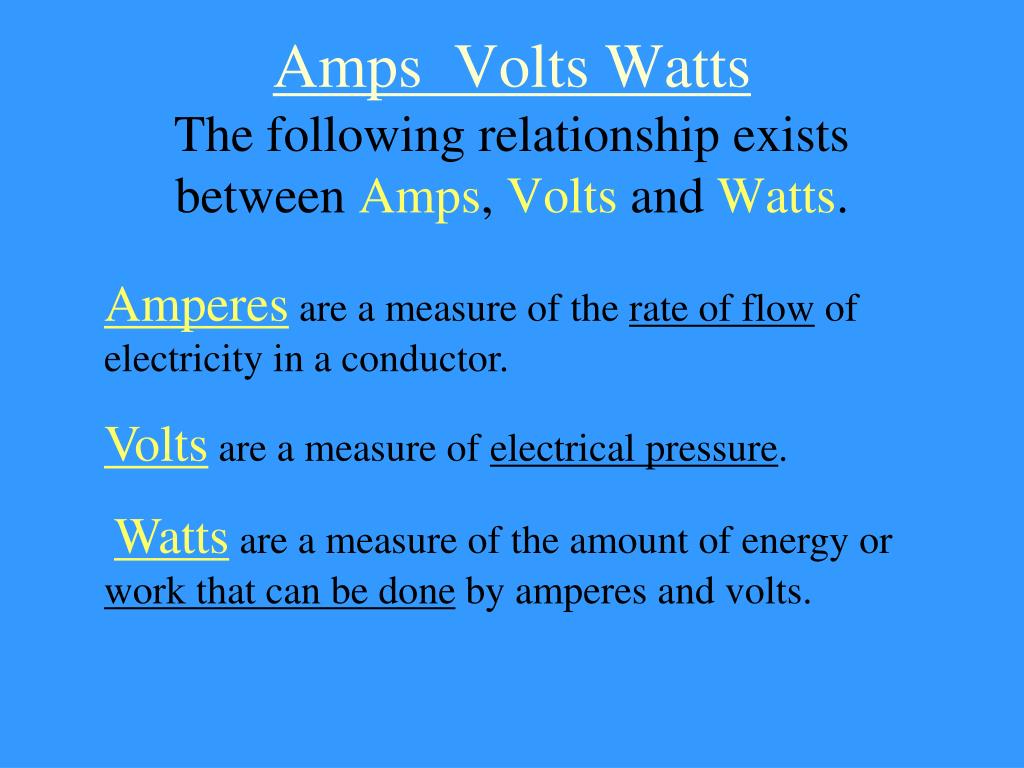
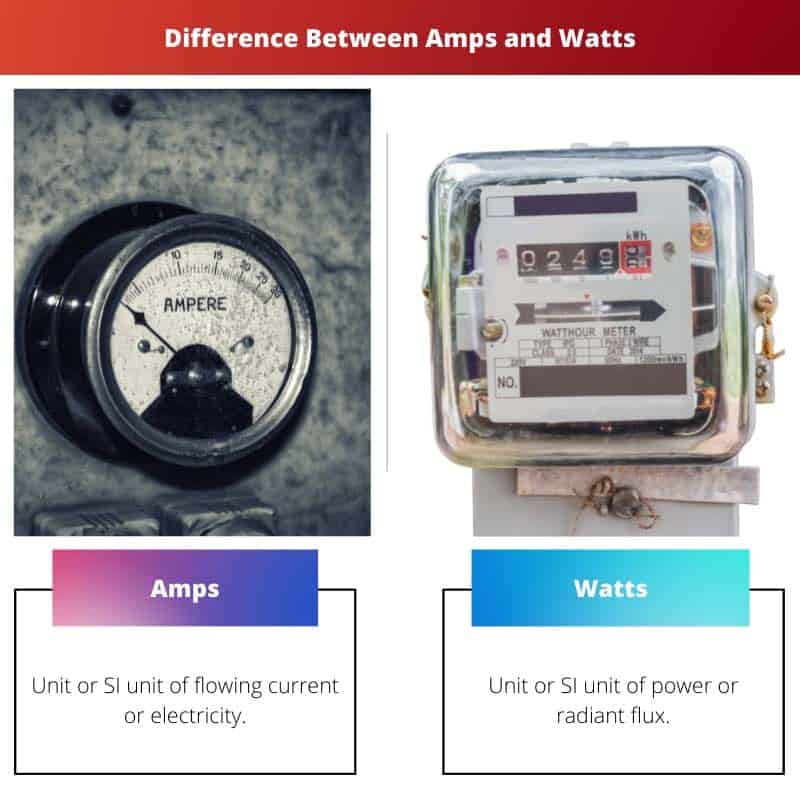
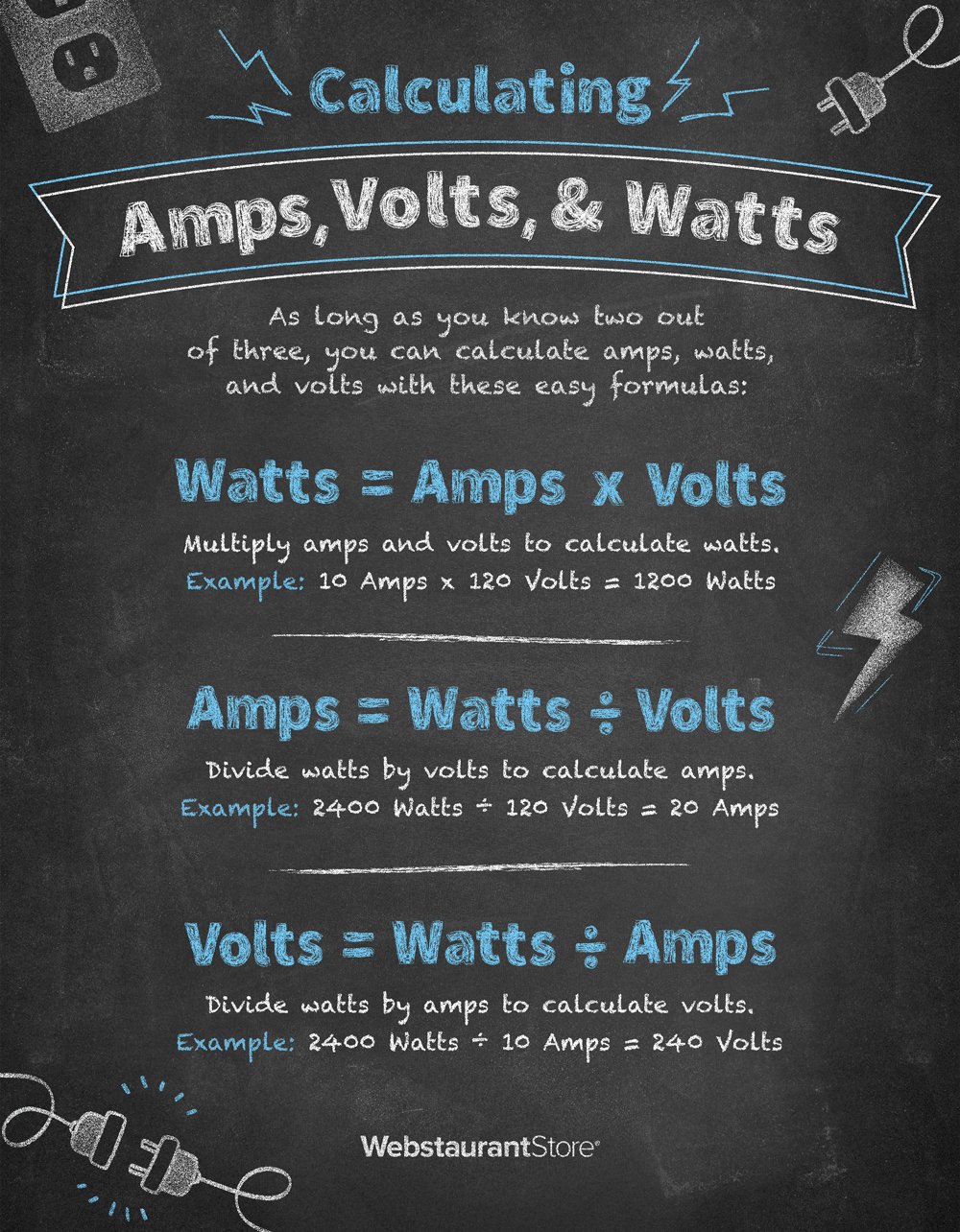
Let's break it down simply: Amps, or Amperes, measure the flow of electrical current. Think of it like the amount of water flowing through a pipe. Watts, on the other hand, measure the power used or produced. Using our water analogy, watts would be the force of that water – how much work it can do. The relationship is defined by a simple equation: Watts = Amps x Volts. Volts are the electrical 'pressure' pushing the current. So, a higher voltage combined with a certain amperage will result in a higher wattage.
Must Read
Here are some examples to illustrate: A small LED might require only a few milliamps (thousandths of an amp) and a fraction of a watt to operate. A powerful studio strobe light for photography, on the other hand, could draw several amps and hundreds of watts when fired. An electric kiln for firing pottery might need a whopping 20+ amps and several thousand watts to reach the high temperatures required! The style of art doesn't matter. Whether you're creating abstract electronic soundscapes, hyperrealistic light paintings, or functional art like heated towel racks, understanding these principles will help you realize your artistic vision safely and effectively.

Want to dip your toes in the water? Try this simple experiment at home (always with adult supervision if you're new to this!): Find a small appliance like a desk lamp. Look for the label – it usually lists the wattage and voltage. Use the formula (Watts = Amps x Volts) to calculate the amperage. Then, check the circuit breaker for that room – it will list the maximum amperage the circuit can handle. Make sure your appliance's amperage draw is well below the breaker's rating to avoid tripping it. Start small, be cautious, and always prioritize safety.
Ultimately, understanding amps and watts isn't just about technical knowledge; it's about unlocking your creative potential. It's about understanding how things work, empowering you to build, modify, and create in new and exciting ways. And that, my friends, is incredibly enjoyable.