
What Is The Difference Between A Cast And A Mold

Ever wondered about the difference between a cast and a mold? Don't worry, you're not alone! It's a question that pops up more than you might think.
So, What's the Big Deal?
Let's break it down. Think of it like baking a cake versus making a sculpture. Both involve creating something new, but the process is delightfully different.
The Mold: The Empty Vessel
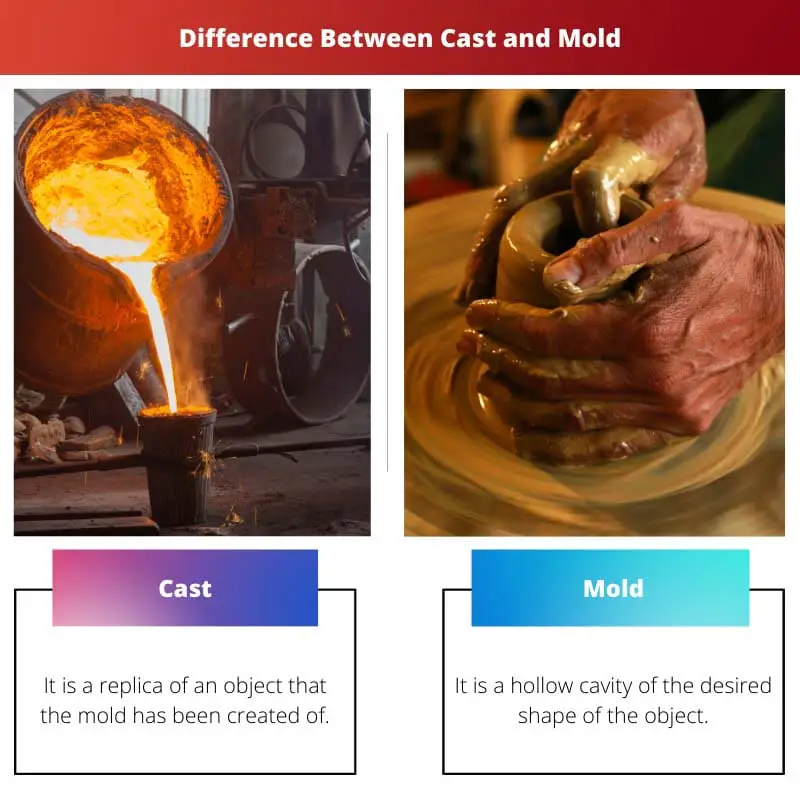
A mold is essentially a hollow container. It's designed to hold a liquid or pliable material.
Must Read
Imagine pouring batter into a cupcake tin. The tin is the mold!
The goal of the mold is to shape the material into a desired form.
Think about ice cube trays. Or those fancy chocolate molds that make perfect little bunnies. They are all molds.
The mold itself is often reusable. You can keep filling it up and creating copies.
It’s like a magical repeating machine for shapes!
Want to get a bit technical? Molds are used in everything from plastic toys to metal parts for cars. The industrial applications are vast and impressive.
But for our purposes, let's stick with the fun stuff. Like gummy bears!
Those gummy bear molds are seriously adorable. And they create delicious treats.
The Cast: Filling the Void
A cast is the solid object that comes out of a mold. It's the final product. The end result of all the hard work.
That cupcake you baked? That's the cast!
The ice cube? The chocolate bunny? All casts.
Casts can be made from various materials. Plaster, resin, metal, even concrete!

Think about a bronze statue. It was likely created using the casting process.
The mold defined its shape, and the cast is the magnificent result.
One of the most common associations with "cast" is a medical cast. You know, the kind you get when you break a bone.
In this case, the cast supports and immobilizes the limb. It allows the bone to heal properly.
While not as fun as gummy bears, it's a crucial application of the casting principle.
Putting It All Together: Mold + Material = Cast
So, to recap, the mold is the container. And the cast is what you get after you fill it.
The mold provides the form. The material provides the substance.
Together, they create something new and interesting.
Examples in Action
Let's look at some real-world examples. This will help solidify the difference between a mold and a cast.
Consider a concrete paver for your backyard. The mold is the form that holds the wet concrete.
The cast is the solid paver after the concrete has hardened. Ready to pave your way to summer fun.
See? Simple as that.
Think about jewelry making. Often, a mold is used to create wax models of the desired design.
Then, molten metal is poured into the mold to create the final jewelry piece. The cast is the ring, pendant, or earrings.
Sparkly and shiny, all thanks to the wonders of molds and casts.
Another great example is pottery. Molds can be used to create identical ceramic pieces.
Slip casting involves pouring liquid clay (slip) into a plaster mold. The plaster absorbs water from the slip. Leaving a solid layer of clay behind.
This clay shell is then removed from the mold and fired in a kiln. The resulting ceramic piece is the cast.
Why Is This So Fascinating?
The beauty of molds and casts lies in their ability to replicate. To create multiples of the same object.
This has revolutionized manufacturing and art. Making complex shapes easier to produce.
It's also kind of magical to watch a liquid transform into a solid, defined form.
Think about the potential for creativity! Molds and casts allow you to experiment with different materials. With different shapes and sizes.
You can create personalized gifts. Custom decorations. Or even functional objects for your home.
The possibilities are truly endless.
Getting Started with Molds and Casts
Intrigued? Want to try your hand at mold making and casting?
There are tons of resources available online. From tutorials to kits for beginners.
You can start with something simple. Like making soap with fun molds.
Or you can explore more advanced techniques. Such as resin casting or silicone mold making.
The key is to experiment. To have fun. And to not be afraid to make mistakes.
After all, that's how you learn.
Remember, safety is paramount. Always follow the manufacturer's instructions. Especially when working with chemicals or hot materials.
Wear appropriate protective gear. And work in a well-ventilated area.
A little precaution goes a long way.
In Conclusion: Molds and Casts – A Dynamic Duo
So, there you have it. The difference between a mold and a cast, explained in plain English.
The mold is the form. The cast is the result.
Together, they create a powerful combination. A dynamic duo that shapes our world in countless ways.
Whether you're baking cookies. Creating art. Or manufacturing products. Molds and casts are essential tools.
They allow us to transform ideas into reality. To bring our visions to life.
So, the next time you see a perfectly formed object. Take a moment to appreciate the magic of molds and casts.
They are more than just containers and shapes. They are the building blocks of creativity and innovation.
Now go forth and create something amazing!
Who knows, maybe you'll discover a hidden talent for mold making and casting. The world awaits your creations!
Bonus Tip!
Ready to dive deeper? Check out local art supply stores. They often offer workshops on mold making and casting techniques.
It's a great way to learn from experienced artists and connect with fellow enthusiasts.
Happy creating!
And always remember, the journey of a thousand creations begins with a single mold!
So, grab your materials, unleash your imagination, and get ready to be amazed at what you can create.
The world is your mold. Go fill it!