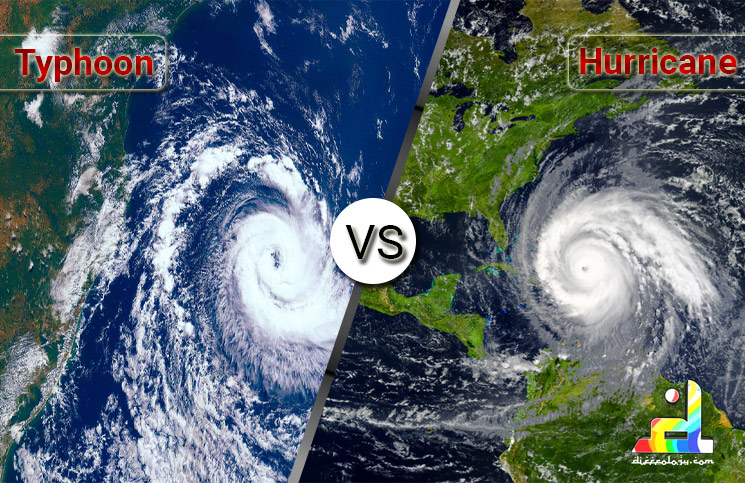
What Is The Difference A Typhoon And Hurricane

Ever found yourself glued to weather updates during storm season, hearing about hurricanes in Florida and typhoons in Japan? It's easy to wonder, "Wait, are those the same thing?" Understanding the difference between a typhoon and a hurricane isn't just about impressing your friends at trivia night; it’s about appreciating the fascinating science behind our planet's weather systems. Plus, knowing what to call a storm in a specific region can help you interpret news reports more accurately and stay informed during severe weather events. It’s relevant and can even be a little fun to unravel the mystery of these swirling giants!
So, what is the difference? Essentially, there isn't one! Both hurricanes and typhoons are the same type of weather phenomenon: a tropical cyclone. A tropical cyclone is a rotating, organized system of clouds and thunderstorms that originates over tropical or subtropical waters and has a closed low-level circulation. The name changes depending on where in the world the storm forms. Think of it like calling the same car different names in different countries.
The purpose of understanding this naming convention is less about scientific breakthroughs and more about clear communication. By using the correct regional term, weather forecasters, emergency responders, and news outlets can quickly and effectively convey information to the people most affected. This helps communities prepare for approaching storms, potentially saving lives and minimizing damage. The benefits of understanding this are therefore practical and potentially life-saving.
Must Read
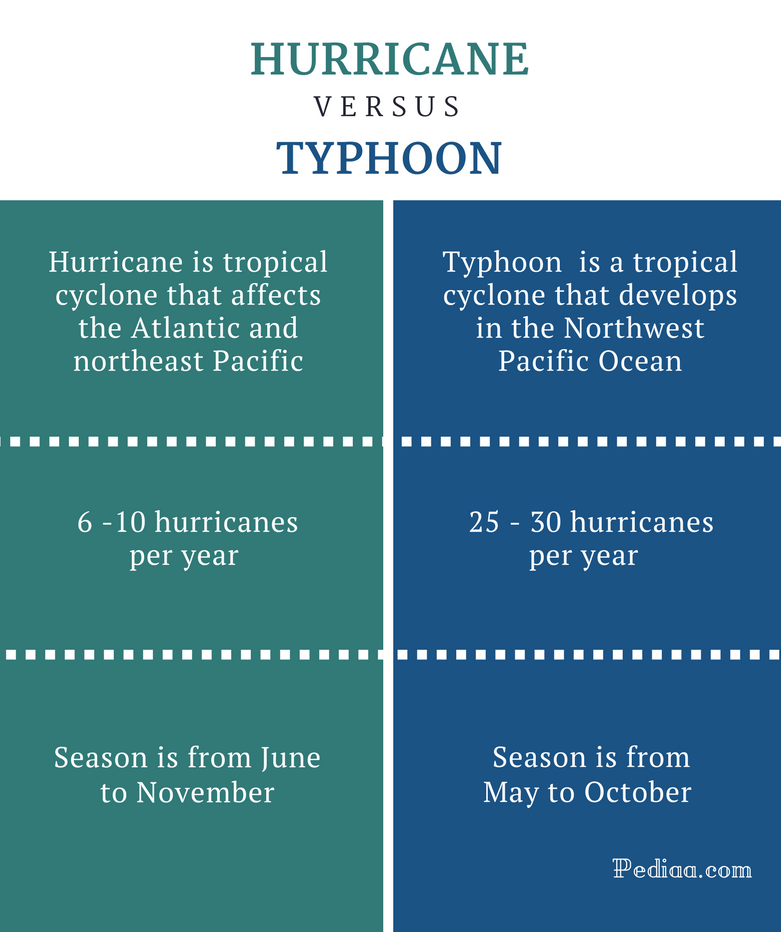
Here’s the geographical breakdown: In the North Atlantic Ocean, Central North Pacific Ocean, and Eastern North Pacific Ocean, we call them hurricanes. Think Hurricane Katrina or Hurricane Sandy. In the Northwest Pacific Ocean, which includes areas like Japan, the Philippines, and China, they are called typhoons. Remember Typhoon Haiyan? Finally, in the South Pacific Ocean and the Indian Ocean, they're generally referred to as tropical cyclones, though sometimes the term "hurricane" is loosely used in these regions too. Therefore, the location of the storm determines its name.
How can you use this knowledge in everyday life or even education? Well, next time you're watching the news and hear about a powerful storm, you can instantly understand its location based on the name used. In education, this understanding helps students grasp global geography and the interconnectedness of weather patterns. For example, when studying geography, you could have students track tropical cyclone activity in different regions, noting the names used and discussing the underlying atmospheric conditions that contribute to their formation.
Want to explore this further? A simple way is to visit online weather resources like the National Hurricane Center (NHC) or the Joint Typhoon Warning Center (JTWC). These websites provide real-time tracking maps and detailed information about active tropical cyclones around the world. You can also compare historical data, looking at the frequency and intensity of hurricanes versus typhoons over time. Another practical tip: When traveling, familiarize yourself with the local terminology for tropical cyclones in your destination to better understand weather advisories. It's a small piece of knowledge that can make a big difference!