
What Is The Difference A Hurricane And Typhoon
Alright, settle in, grab your virtual coffee (or maybe something stronger, depending on how your day's going). We're about to tackle a question that's plagued humanity for... well, probably since they invented weather forecasting and realized giant, swirling storms were a recurring theme. What's the difference between a hurricane and a typhoon? Prepare for meteorological mayhem!
The short, slightly unsatisfying answer? Nothing. Okay, okay, don't throw your latte at me! It's like asking what the difference is between a Labrador and a Lab. They're the same breed, just one's got a fancy nickname.
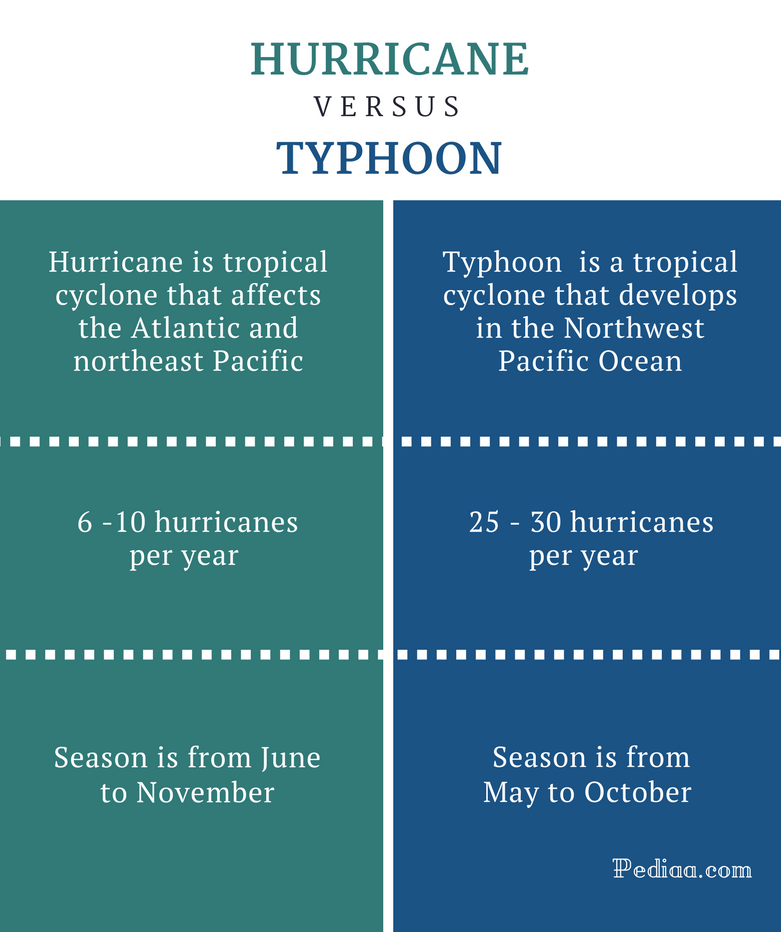
See, both hurricanes and typhoons are tropical cyclones. That's the official, scientifically-approved name for these whirling dervishes of wind and rain. They're basically massive, low-pressure systems that form over warm ocean waters near the equator. They need that warm water like I need coffee to function before noon. Seriously, without it, things get ugly.
Must Read
So, if they're the same thing, why the different names? Well, blame geography! It's all about location, location, location! Think of it like this: they're all attending the same storm party, but each has a different invitation depending on where the party is being held.
Hurricane Party: The Atlantic and Eastern Pacific

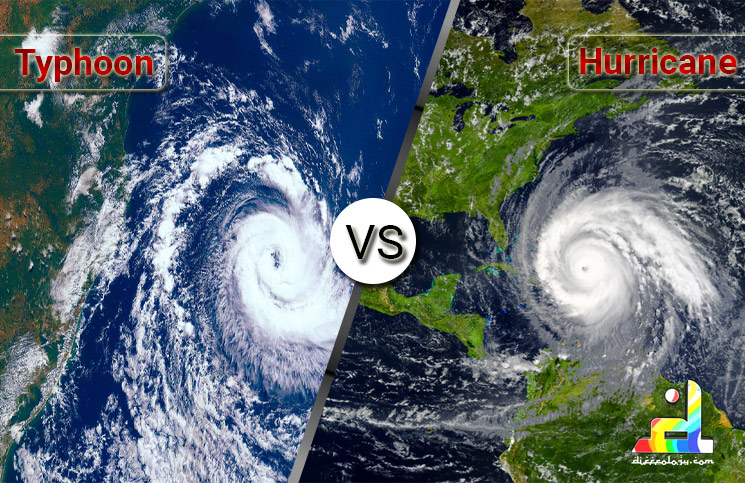
If the tropical cyclone is brewing in the Atlantic Ocean or the eastern and central North Pacific Ocean, BAM! It's a hurricane! Think Florida getting a soaking, or maybe a Hawaiian luau getting rudely interrupted. These storms get the "hurricane" label and all the accompanying news coverage of reporters clinging to street signs for dear life.
Typhoon Time: The Western Pacific
Now, if our swirling friend decides to form in the western North Pacific Ocean, congratulations! It's a typhoon! Think Japan battening down the hatches or the Philippines bracing for impact. It's the same storm, just wearing a different geographical hat (or, you know, not wearing a hat at all because hats tend to blow away in 150 mph winds).

It's essentially a regional thing. Like calling a soda "pop" in the Midwest vs. "coke" in the South (even if you want a Sprite!). Weather naming conventions are just as... ahem... passionate.
Cyclone Shenanigans: The Indian Ocean and Southwest Pacific
And just to make things extra confusing (because why not?), if these storms are hanging out in the Indian Ocean or the Southwest Pacific Ocean, they're called cyclones. Because, you know, variety is the spice of life, even when that "spice" is torrential rainfall and potentially devastating winds.
So, to recap (because I know your brain is probably swirling as much as these storms by now):
- Hurricanes: Atlantic Ocean and eastern/central North Pacific
- Typhoons: Western North Pacific Ocean
- Cyclones: Indian Ocean and Southwest Pacific Ocean
Easy peasy, right? Well, maybe not easy easy, but hopefully, a little clearer. Think of it as storm nomenclature with a side of geographical flair.
One last, slightly terrifying, fact: the most intense tropical cyclones can unleash as much energy as several atomic bombs per second. Let that sink in. I told you this was going to be meteorological mayhem!

So, next time you hear about a hurricane or a typhoon, you can casually drop this knowledge bomb on your friends. Just try not to sound too smug. Nobody likes a weather know-it-all, especially when the weather in question is trying to tear their roof off.
And remember to stay safe, stay informed, and maybe invest in a really good umbrella (or, you know, evacuate if they tell you to. Umbrellas are NOT effective against Category 5 winds).
Now, if you'll excuse me, I need more coffee. My brain's still recovering from all that meteorological madness!