
What Is The Delivery Charge On My Electric Bill
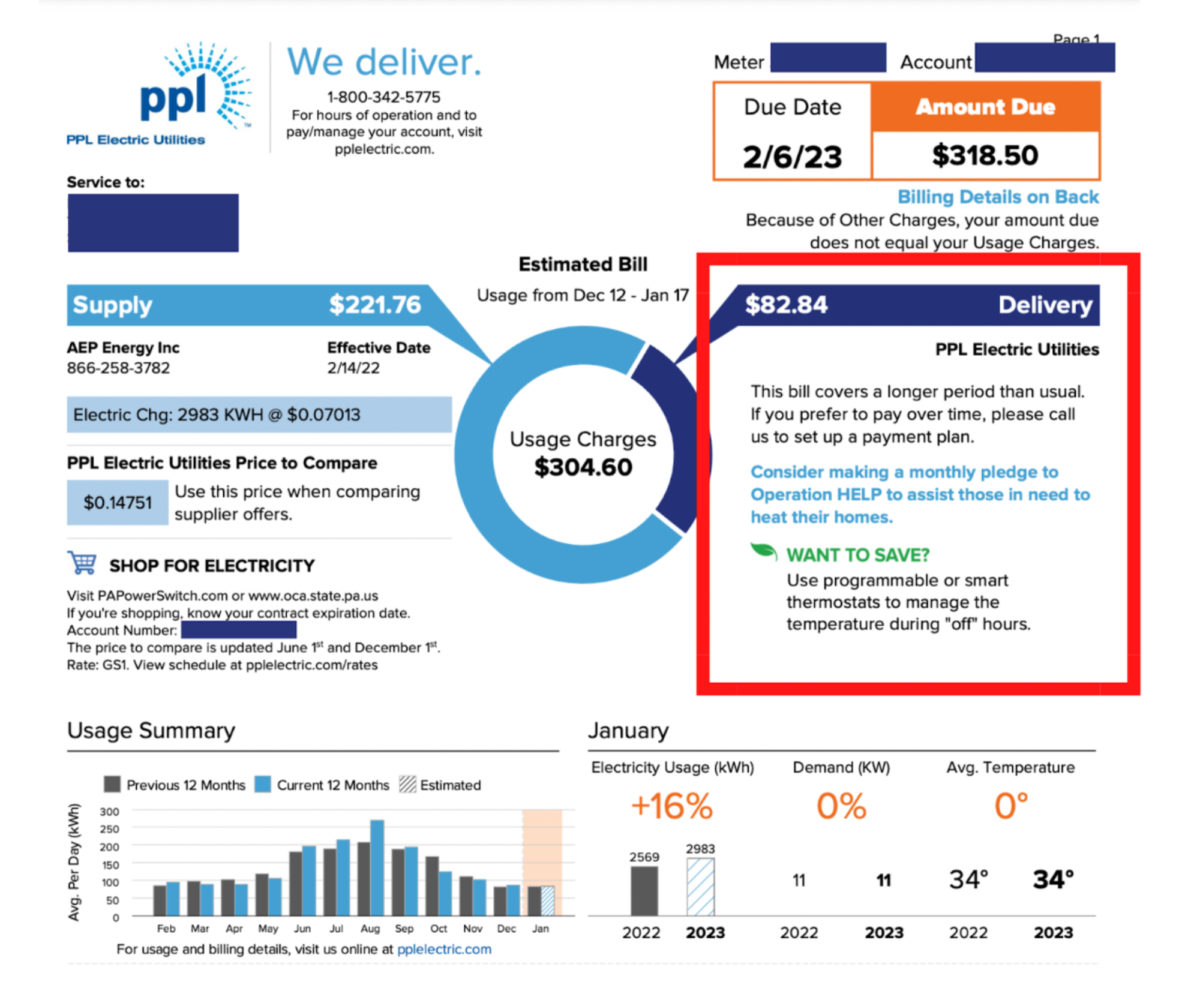
Alright folks, let's talk about that electric bill. You know, the one that arrives with all the warmth and welcome of a tax audit? Specifically, let's untangle a mystery that plagues us all: the dreaded delivery charge!
Think of your electricity bill like a delicious pizza. You’ve got the cost of the pizza itself – the ingredients, the chef's labor, the general pizzazz. That’s like the energy you actually use.
But then there's the delivery fee! It’s not for the pizza, it's for getting it from the oven to your eagerly awaiting hands. And that, my friends, is analogous to the delivery charge on your electricity bill.
Must Read
So, What Exactly Is This Delivery Charge?
The delivery charge (sometimes called a distribution charge) covers the cost of bringing the electricity to your home. It’s the price for using the power lines, transformers, substations, and all that other gizmo-filled infrastructure that makes modern life possible.
Imagine a vast, invisible highway system dedicated solely to electrons. The delivery charge is essentially the toll you pay to use that highway.
Without those lines, the electricity would just be sitting there at the power plant, twiddling its electrical thumbs, useless as a screen door on a submarine!
Who's Responsible for This Delivery, Anyway?
Generally, your local utility company is in charge of delivering electricity. They own and maintain those "electron highways".

They’re the folks who brave the squirrels, ice storms, and rogue kite flyers to keep the power flowing. Sometimes, they are referred to as transmission and distribution companies.
Think of them as the unsung heroes of the electrical grid, the postal workers of the electron world!
Breaking Down the Delivery Charge: What Am I Really Paying For?
The delivery charge isn't just one lump sum. It's more like a complex mathematical equation disguised as a simple line item.
Here's a peek at what might be lurking within:
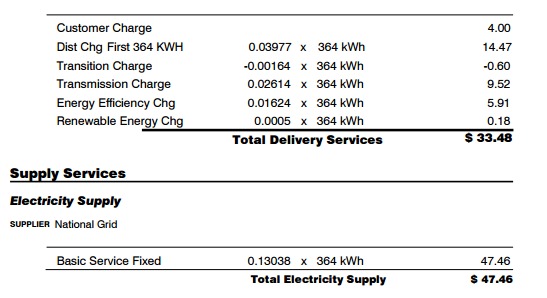
- Maintenance of Power Lines: Keeping those lines in tip-top shape requires constant vigilance. This includes trimming trees, replacing aging equipment, and generally preventing squirrels from throwing elaborate electrical rave parties.
- Substation Operations: Substations are like the pit stops along the electron highway. They regulate voltage and keep things running smoothly, sort of like the air traffic controllers of electricity.
- Meter Reading and Billing: Someone has to track how much electricity you're using and send you that dreaded bill. Consider it a service, albeit one that reminds you of your energy-guzzling habits.
- Infrastructure Upgrades: The electrical grid isn't stuck in the Stone Age. Utility companies constantly invest in new technologies and upgrades to improve reliability and efficiency. Think of it like adding extra lanes to the electron highway to ease congestion.
Is My Delivery Charge Fair? Am I Being Robbed Blind by Electrons?
Ah, the million-dollar question! It’s hard to say definitively without diving into the nitty-gritty details of your local utility company's rates. But here's the gist:
Delivery charges are usually regulated by your state's Public Utility Commission (or a similar entity). These commissions are supposed to ensure that rates are fair and reasonable.
They scrutinize the utility company's costs and investments to prevent them from charging you an arm and a leg for the privilege of having lights.
How Can I Get a Handle on My Delivery Charge?
Knowledge is power! (Pun intended, of course.) Here are a few ways to get a better understanding of your delivery charge:
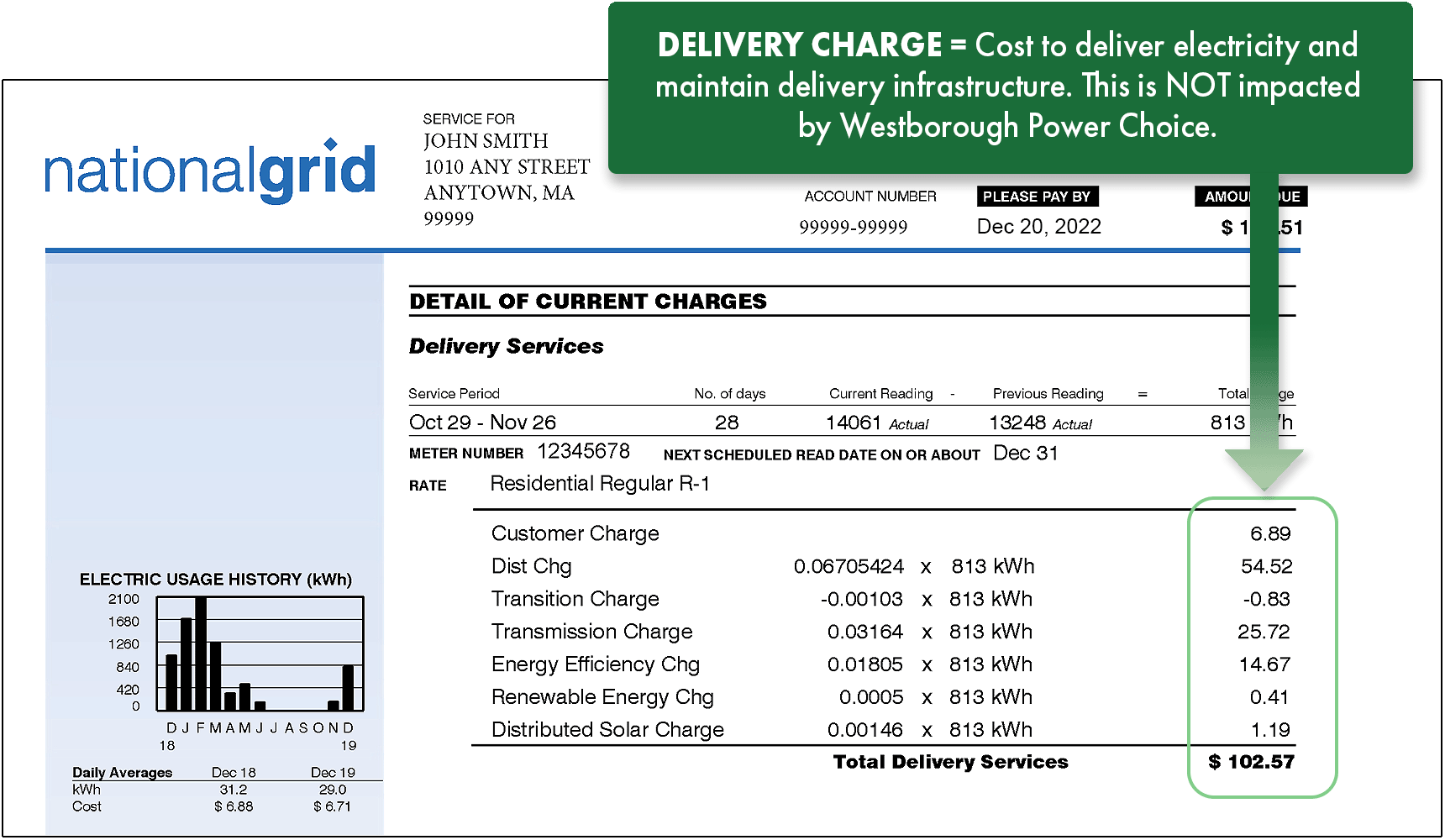
- Read Your Bill Carefully: Utility companies are usually required to break down the different components of your bill. Look for the "delivery charge" or "distribution charge" section and see how it's calculated.
- Contact Your Utility Company: Don't be afraid to call them up and ask questions! They should be able to explain the delivery charge in more detail and provide information about their rates.
- Check Your State's Public Utility Commission Website: Most commissions have websites with information about utility rates and regulations. You might even find comparisons of rates from different providers.
- Consider Energy Efficiency: The less electricity you use overall, the lower your total bill will be, even if the delivery charge stays the same. Think of it as ordering a smaller pizza to save on delivery costs.
Delivery vs. Supply: The Epic Showdown!
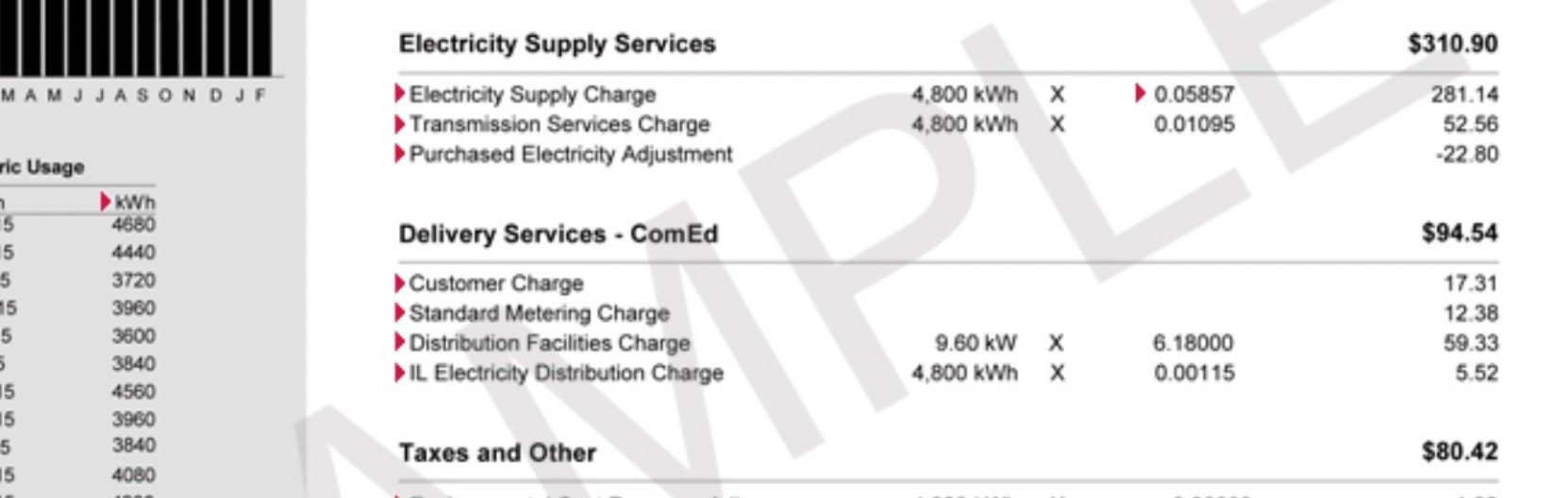
Okay, so we've established that the delivery charge is for bringing the electricity to your home. But what about the supply charge?
The supply charge is for the actual electricity itself – the raw energy that powers your lights, appliances, and Netflix binges.
In some states, you can choose your electricity supplier. This means you can shop around for the best price on the electricity itself, even if your local utility company is still responsible for delivering it.
Think of it like this: the supply charge is the cost of the ingredients for your pizza, while the delivery charge is the cost of getting the pizza to your door. You might be able to find cheaper mozzarella, but you'll still have to pay the delivery guy!
Choosing an energy supplier can be a great way to save money, but it's important to do your research and compare rates carefully. Beware of sneaky contracts and hidden fees!
Final Thoughts: Embrace the Delivery Charge (Sort Of)
While no one loves paying extra for anything, the delivery charge is a necessary evil. It keeps the lights on, the refrigerators humming, and the internet flowing.
Without it, we'd be back to candles, iceboxes, and carrier pigeons. And let's be honest, nobody wants that.
So, the next time you see that delivery charge on your electric bill, take a deep breath, remember the vast and complex infrastructure that makes it all possible, and maybe treat yourself to a small pizza. You deserve it!
By understanding what goes into your electric bill, you are empowered to make smart decisions about your energy usage and potential savings. Knowledge is the best weapon against bill shock!
And hey, at least you don't have to tip the electron delivery guy.