
What Is The Definition Of A Nonrenewable Resource
:max_bytes(150000):strip_icc()/nonrenewableresource--45c79b3da26d4bd0bf7e7ee1ad82c4a5.jpg)
Alright folks, gather 'round! Let's talk about something super important, but don't worry, we'll make it fun. We're diving into the world of nonrenewable resources! What are they, you ask? Well, buckle up!
What's the Big Deal with "Nonrenewable"?
The word "nonrenewable" basically means something can't be easily replaced. Think of it like this: Imagine your favorite candy bar. If you eat it, it's gone! Unless you have some magical candy-replenishing fairy, that specific bar is toast.
That’s the essence of a nonrenewable resource. Once we use it up, poof! It's either gone forever, or it takes a ridiculously long time to regenerate. We're talking millions, even billions, of years!
Must Read
The Usual Suspects: Fossil Fuels
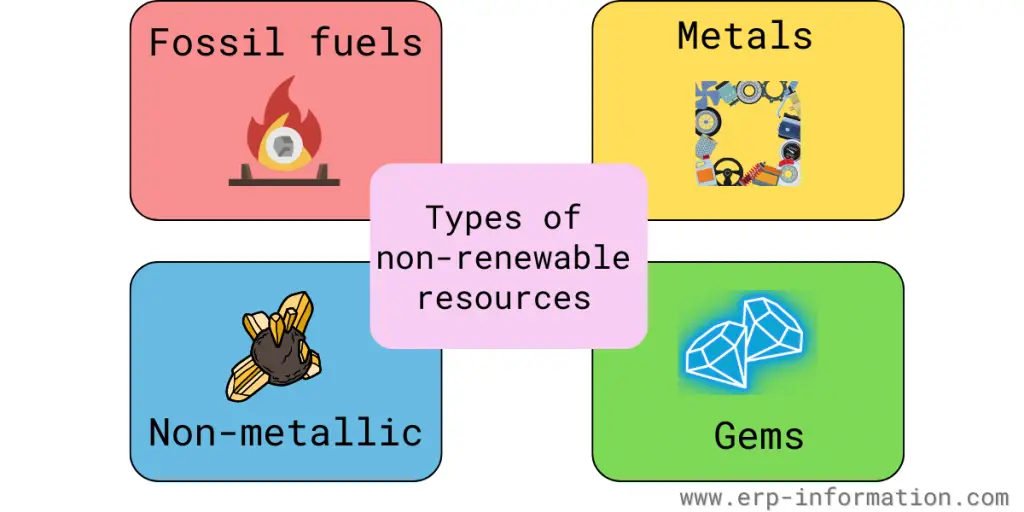
When we chat about nonrenewable resources, the first things that usually pop into our heads are fossil fuels. These are the big kahunas, the energy powerhouses that have fueled our world for centuries.
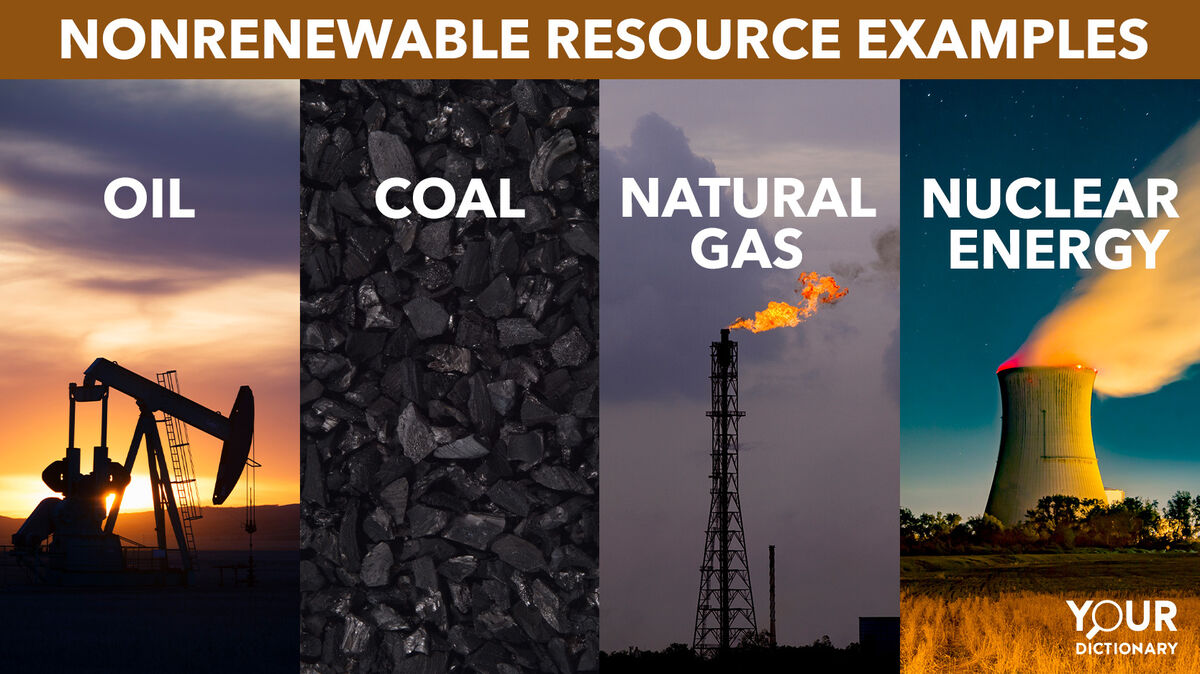
Think about it: coal, oil (also known as petroleum), and natural gas. These bad boys are formed from the remains of ancient plants and animals that lived millions of years ago. Imagine a dinosaur’s leg turning into gasoline! Okay, maybe not a single leg, but you get the idea!
These ancient organic materials were subjected to immense pressure and heat deep underground for eons. Over time, they transformed into the energy-rich substances we now extract and burn for power. That's why they're called fossil fuels!
We dig coal out of the ground, drill for oil, and extract natural gas. Then, we burn them to generate electricity, power our cars, heat our homes, and so much more. It's like having a giant, buried treasure chest of energy!
Why are They Nonrenewable?
Here's the kicker: the process of creating these fossil fuels is incredibly slow. Like, slower than a snail riding a sloth. We're talking geological timescales, not human lifespans.
Imagine trying to recreate the conditions that formed oil. You'd need millions of years, immense pressure, and a whole lot of dead dinosaurs (or ancient algae, more likely). Not exactly something you can whip up in your backyard, right?
Because it takes so long to create them, we're using them up much faster than they can be replenished. This means they're finite. Eventually, we'll run out. It's like having a limited number of cookies, and you're eating them all at once!
Beyond Fossil Fuels: Other Nonrenewable Champs
While fossil fuels are the poster children for nonrenewable resources, they aren't the only players in the game. There are other materials that fall into this category, too.
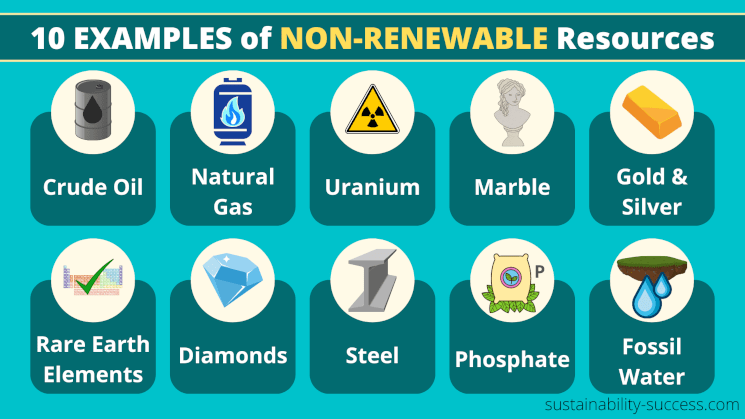
For example, nuclear fuels like uranium are also considered nonrenewable resources. Uranium is a naturally occurring element that's mined from the earth and used in nuclear power plants to generate electricity.
Although uranium is more abundant than fossil fuels, it's still a finite resource. Once we've extracted all the easily accessible uranium, we'll need to find alternative sources or switch to other energy sources. Think of it like trying to find gold: there's only so much to go around!
Metals and Minerals: Earth's Hidden Treasures (with Limits)
Many metals and minerals are also considered nonrenewable resources. Gold, silver, iron, copper, aluminum – all these materials are mined from the earth.
While the earth has a lot of these resources, they're not evenly distributed, and they're not being created at a rate that matches our consumption. Mining these resources can also have significant environmental impacts, further highlighting their precious nature.
Think about your phone. It's packed with all sorts of metals and minerals that were extracted from the earth. Once those materials are used, they're not easily replaced. That's why recycling is so important!
The Importance of Understanding Nonrenewable Resources
So, why should we care about nonrenewable resources? Because their limited nature has significant implications for our future. Ignoring this is like ignoring the "check engine" light on your car – eventually, things are going to break down!
Relying heavily on fossil fuels, for example, contributes to climate change. Burning these fuels releases greenhouse gases into the atmosphere, which traps heat and causes the planet to warm.

Understanding that these resources are finite also encourages us to be more responsible in how we use them. It pushes us to explore alternative energy sources, conserve resources, and recycle materials. Basically, it prompts us to be good stewards of our planet.
What Can We Do? Be a Resource Rockstar!
Now that we know what nonrenewable resources are, what can we do about it? Plenty! We can all play a part in using these resources more wisely and exploring sustainable alternatives.
Here are a few ideas to get you started: conserve energy by turning off lights and unplugging electronics when you're not using them. Use public transportation, bike, or walk whenever possible. Support renewable energy initiatives and companies.
Recycle everything you can. Reduce your consumption of goods and services. And most importantly, educate yourself and others about the importance of resource conservation. Every little bit helps!
Renewable to the Rescue!
The good news is that we have plenty of options for alternative energy sources that are renewable! These are resources that can be replenished naturally over a relatively short period of time.
Think solar power, wind power, hydro power, geothermal energy, and biomass. These resources are constantly being replenished by the sun, wind, water, and the earth itself.
By investing in renewable energy technologies, we can reduce our reliance on nonrenewable resources and create a more sustainable future for generations to come. It's like switching from a limited-edition comic book collection to an endless supply of digital comics!
Wrapping Up: A Sustainable Future is in Our Hands
So, there you have it! Nonrenewable resources are finite resources that can't be easily replaced. They play a crucial role in our society, but their limited nature demands that we use them wisely and explore sustainable alternatives.
By understanding the importance of resource conservation, we can all contribute to a more sustainable future. It's time to be resource rockstars and make a positive impact on our planet!
Now go forth and spread the word! Let's all do our part to protect our planet's precious resources. You've got this!