
What Is The Cost To Charge An Electric Vehicle

Okay, let’s talk electric cars! Shiny, silent, and… how much does it actually cost to charge one? It’s a question everyone’s asking. Forget gas prices. We're in the electricity era now!
The Great Charging Mystery: Unveiled!
Think of your EV like a giant, rolling phone. Except, instead of endlessly scrolling TikTok, it’s zooming you to work. And, just like your phone, it needs juice! So, how do we figure out the cost? It's not as scary as figuring out your taxes, promise.
First, we need to know two key things:
Must Read
- The size of your EV's battery (in kilowatt-hours or kWh). Think of it as the fuel tank size.
- The price of electricity where you live (per kWh). Check your electric bill!
Now, for the fun part: Some simple math! (Don't worry, I'll keep it light).
Cost to charge = Battery size (kWh) x Electricity price (per kWh)
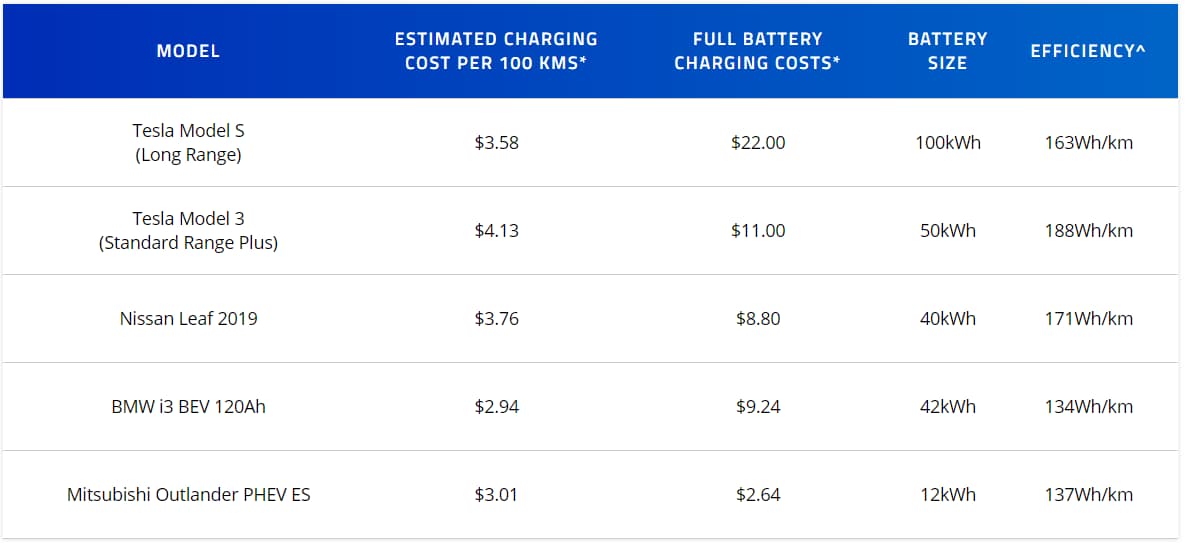
Let's say you have a Nissan LEAF with a 40 kWh battery, and electricity costs $0.20 per kWh. Charging from empty to full would cost roughly 40 x $0.20 = $8. Not bad, right?
But wait! It's not always that simple. Like that time you tried to bake a cake and it ended up looking like a melted spaceship.
Level Up Your Charging Knowledge
There are different levels of charging, and each one impacts cost and speed.
Level 1: This is like plugging into a regular wall outlet. S-L-O-W. Think overnight charging only. It's the turtle of the charging world.
Level 2: Faster! You'll need a special charger installed at home or find one at a public charging station. It's more like a speedy hare. Often the most practical option.
Level 3 (DC Fast Charging): BOOM! Super fast. Found at charging stations along highways. Great for road trips, but usually the most expensive option. This is the rocket ship of charging.
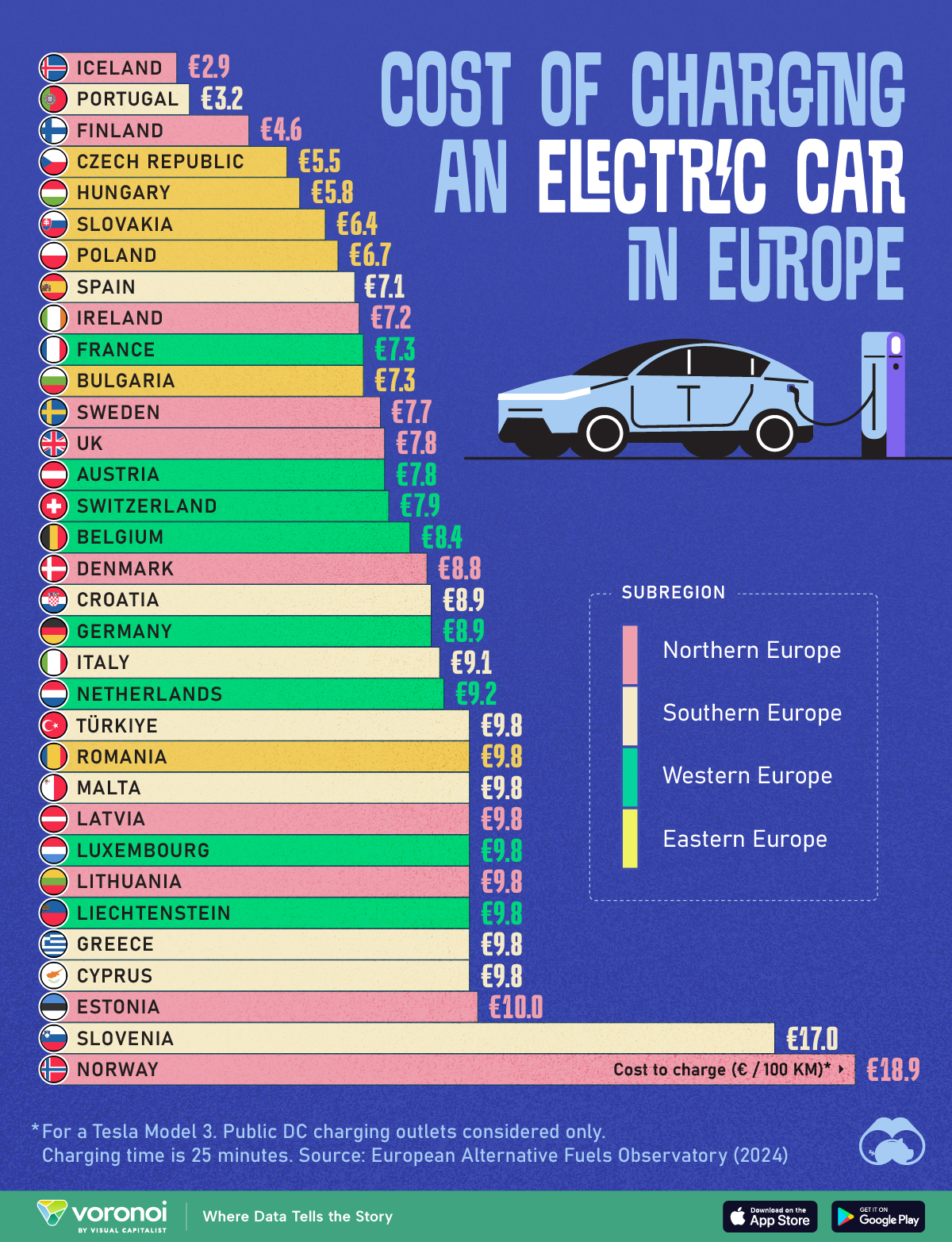
Why the price difference? Level 3 chargers deliver a massive jolt of electricity, requiring more sophisticated (and expensive) equipment. Think of it as the difference between a garden hose and a firehose.
Home Sweet Charging Station
Charging at home is usually the cheapest option. Especially if you have solar panels! Free sunshine power? Yes, please!
Consider a time-of-use electricity plan. Some utilities offer lower rates during off-peak hours (like overnight). Charge while you sleep and save some cash! It's like a sneaky discount fairy visited your electrical outlet.
Installing a Level 2 charger at home is a good investment. It's faster and more convenient than Level 1. Just picture yourself sipping coffee while your car effortlessly drinks up the electrons.
Public Charging: A Brave New World
Public charging stations are popping up everywhere. Gas stations, supermarkets, even libraries! It's a charging revolution!
But pricing can vary wildly. Some charge by the kWh, some by the minute, and some even have subscription fees. It's like a box of chocolates, you never know what you're gonna get!
Apps like PlugShare and ChargePoint are your best friends here. They show you charging station locations, pricing, and availability. Think of them as your EV charging GPS.
The Quirky Side of EV Charging
Did you know some charging stations are powered by wind or solar energy? Talk about eco-friendly! You're literally charging your car with the power of nature.

Some hotels offer free EV charging to attract guests. Road trip, anyone?
And, let's be honest, there's something strangely satisfying about plugging in your car. It feels futuristic and responsible all at once.
The Verdict: Is It Worth It?
Overall, charging an EV is almost always cheaper than fueling a gasoline car. Plus, you're helping the environment! High five!
Yes, there are upfront costs (the car itself, possibly a home charger). But think of the long-term savings on fuel and maintenance. No more oil changes! No more trips to the dreaded gas station!
So, what are you waiting for? Jump into the electric future! It's fun, it's efficient, and it's surprisingly affordable. Go electric! Charge on!