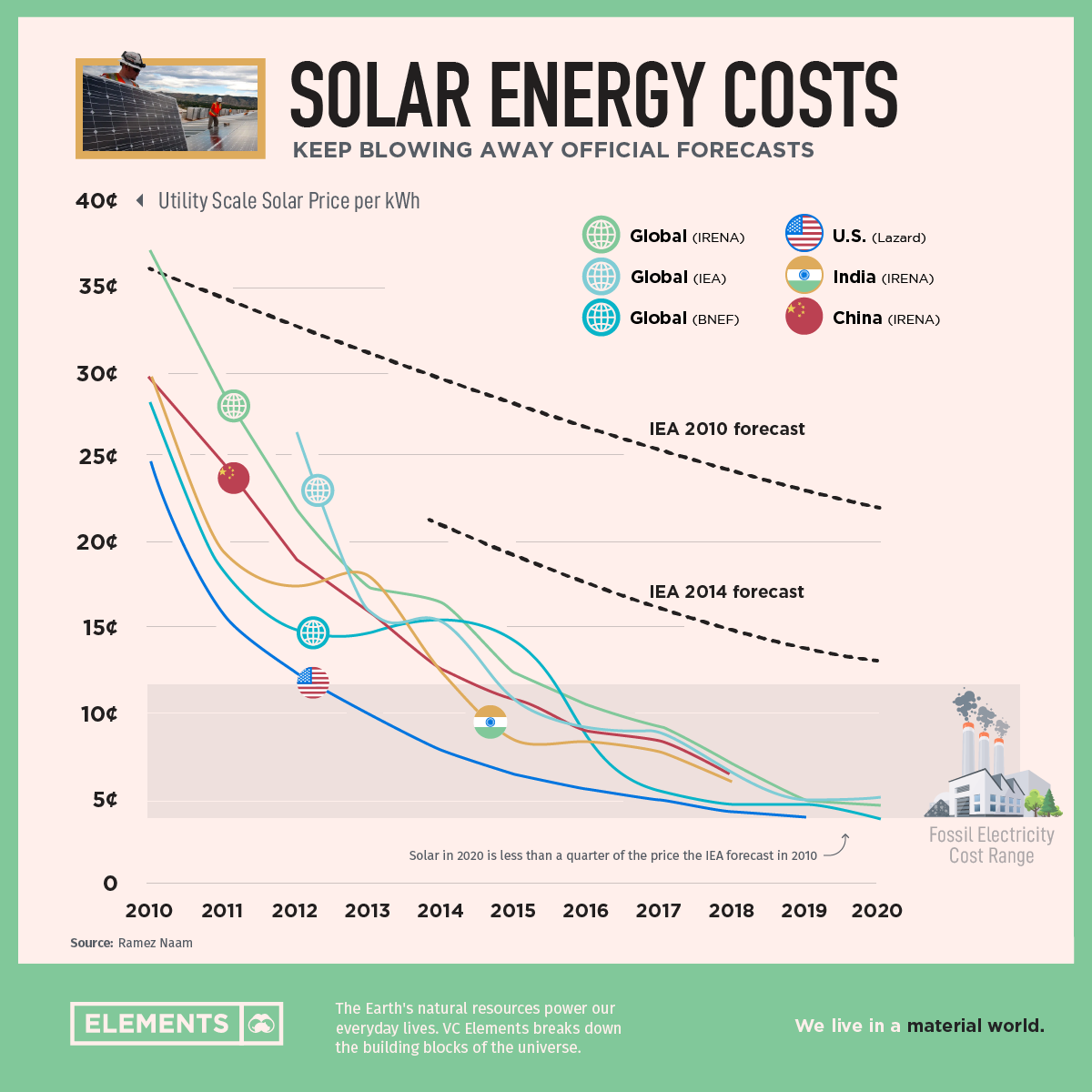
What Is The Cost Of Solar Power

Okay, picture this: My buddy Dave, bless his heart, calls me up last winter, practically in tears. "Dude," he groans, "my electricity bill just hit an all-time high. It's like they're charging me for every electron that ever existed!" We've all been there, right? That moment you open the bill, and your jaw just hits the floor. It’s a gut punch, a monthly reminder of... well, stuff you need but don't own.
Dave, being the practical genius he is, declared war on his power company that day. His weapon of choice? Solar panels. Now, naturally, my first thought (and probably yours too!) was: "Wow, that sounds great, but how much is that going to cost him?!" Because, let's be real, going solar feels a bit like buying a yacht sometimes, doesn't it? A fantastic idea, but the price tag? Yikes.
So, I started digging. And what I found, dear reader, is that the cost of solar power is a bit like an onion. It has layers. And it might just make you cry, but probably in a good way, eventually.
Must Read
The Big Question: What's the Sticker Shock?
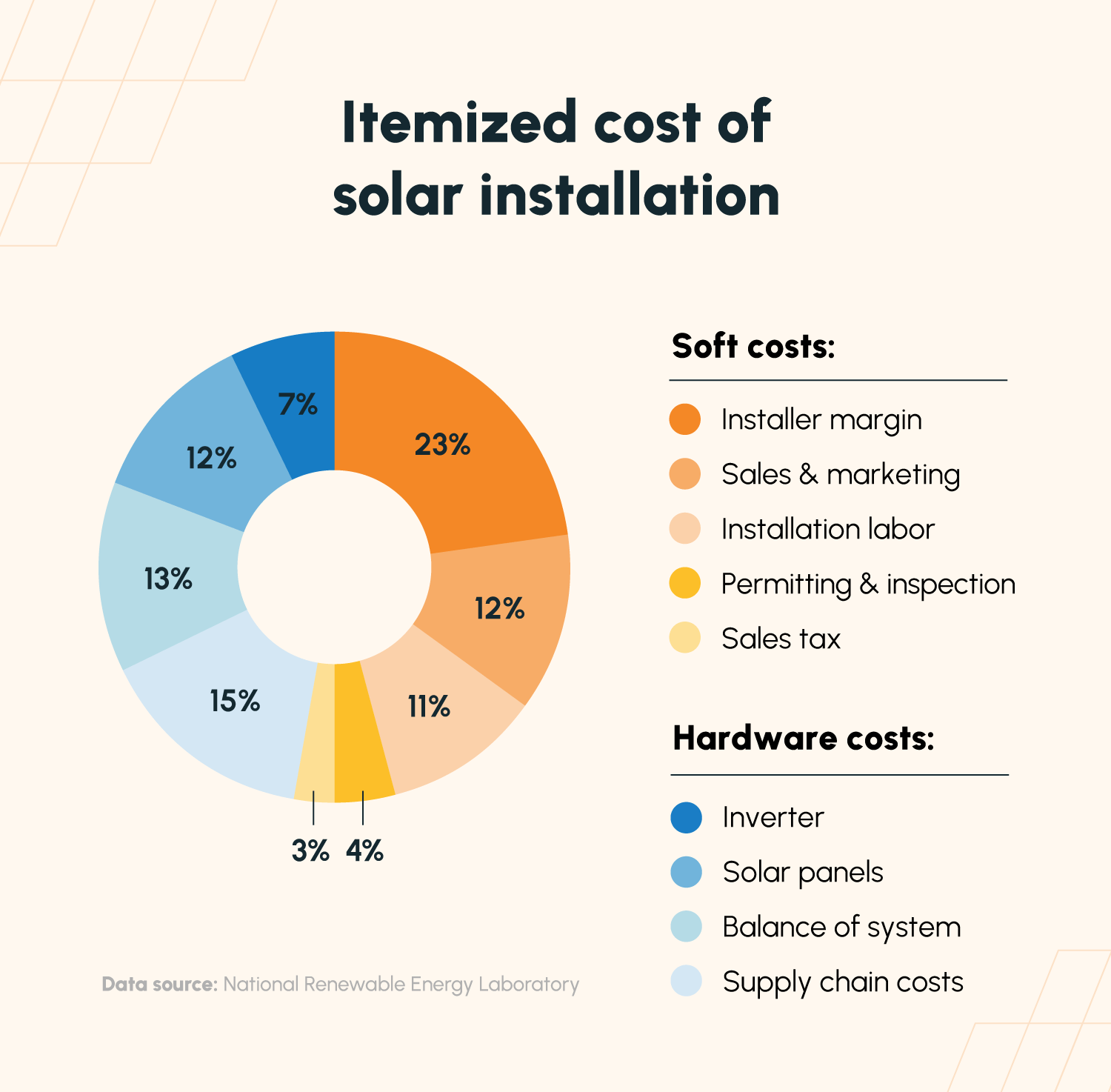
Let's not sugarcoat it. The initial outlay for a solar system can be a hefty sum. We're talking thousands, sometimes tens of thousands, of dollars. This isn't pocket change, and anyone telling you otherwise is probably selling you a bridge to the sun. This price typically covers the whole shebang: the solar panels themselves (obviously), the inverter that turns that lovely DC power into usable AC power for your home, the mounting hardware, and of course, the professional installation.
What makes that number jump around? A few key things. First, the size of your system. This depends on how much electricity your home uses. A smaller home with lower consumption needs fewer panels than a mansion running three AC units year-round. Second, the type of panels. Monocrystalline are generally more efficient (and pricier) than polycrystalline. Then there's the installation complexity – is your roof a straightforward rectangle or a dizzying array of gables and dormers? And finally, if you decide to add battery storage (which is super cool for energy independence but definitely adds to the cost), that number goes up significantly.

But Wait, There's More! The Real Cost is About Savings
Here's where it gets interesting, and where Dave's tears started to dry up. That big upfront number? It’s only half the story. The real cost of solar isn't just what you pay, it's also about what you stop paying. Think about it: every kilowatt-hour your panels generate is a kilowatt-hour you don't buy from the utility company. And over 25+ years (the typical lifespan of panels), that adds up to a staggering amount of savings.
And then, my friends, come the incentives. Oh, the sweet, sweet incentives! This is often the game-changer that makes solar truly accessible. In the U.S., the federal solar tax credit (ITC) lets you claim a significant percentage of your system cost back as a tax credit. We're talking a serious chunk of change. Plus, many states and even local utilities offer their own rebates, grants, or net metering programs, where you get credit for sending excess power back to the grid. It's like getting paid to do the right thing! You absolutely must research these programs for your specific area.
Beyond the Money: The Priceless Perks
While we're talking dollars and cents, let's not forget the "intangible" benefits that actually have a tangible impact. Installing solar panels typically increases your home's value. Studies consistently show that homes with solar sell faster and for more money. Plus, there's the sheer joy of energy independence. No more worrying about rising electricity rates or, even better, those pesky power outages. Imagine your neighbors scrambling for flashlights while your lights stay on because your batteries are humming happily away!
And let's not forget the warm fuzzy feeling of doing something good for the planet. Reducing your carbon footprint isn't just a buzzword; it's a real contribution to a cleaner future. That's a benefit you can't put a price tag on, but it sure feels good.
So, Is It Worth It for You?
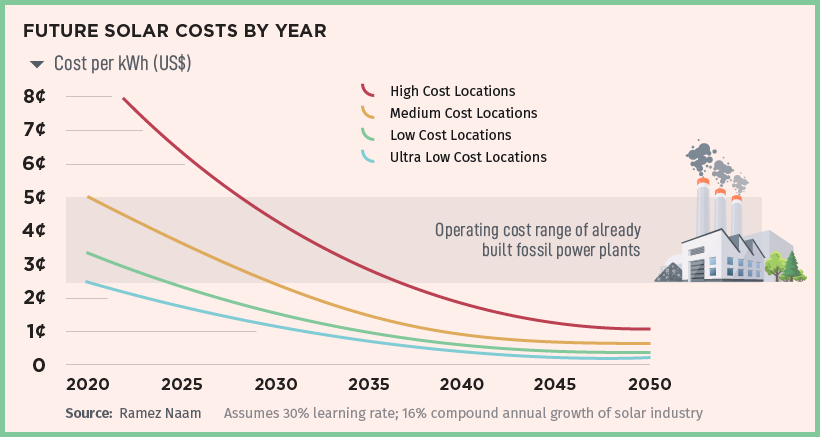
Ultimately, the "cost" of solar is a deeply personal equation. It's an investment, not just an expense. You're essentially pre-paying for decades of electricity at a fixed rate, protecting yourself from future utility price hikes. The payback period – how long it takes for your savings and incentives to cover your initial investment – varies but is often in the 6-10 year range, leaving you with many years of "free" electricity.
My advice? Don't let the initial sticker shock scare you away. Get multiple quotes from reputable local installers. Ask them to break down the costs and, crucially, to explain all the incentives available to you. Dave did, and now he's practically giddy every time he checks his smart meter, watching his power bill dwindle down to almost nothing. He's not crying anymore; he's laughing... all the way to the bank (or at least, past his utility bill).