What Is The Cost Of Hydropower
Ever flicked a light switch without a second thought? Popped on the kettle for your morning brew? Or maybe charged your phone while scrolling through your feed? We live in a world powered by an invisible force, and for many of us, that power feels as natural as breathing. We love the convenience, the instant gratification, and the sheer capability that electricity brings to our lives. But have you ever stopped to wonder about the mighty forces behind that seamless flow of power, especially the ones that harness one of nature's most impressive elements: water?
Enter hydropower, a truly remarkable way to generate electricity. It’s not just about a pretty dam; it’s about converting the kinetic energy of flowing water into the electricity that lights our homes, runs our factories, and powers our digital world. The benefits are substantial: it's a renewable resource, meaning the sun-driven water cycle continuously replenishes it. Once built, a hydropower plant produces virtually zero greenhouse gas emissions during operation, making it a cornerstone of clean energy. Beyond power generation, these systems often double as crucial infrastructure for flood control, providing reliable water supply for agriculture and communities, and even creating stunning recreational areas for boating and fishing. Hydropower serves as a critical, stable source of "baseload" power, meaning it's always on, reliably underpinning our energy grid.
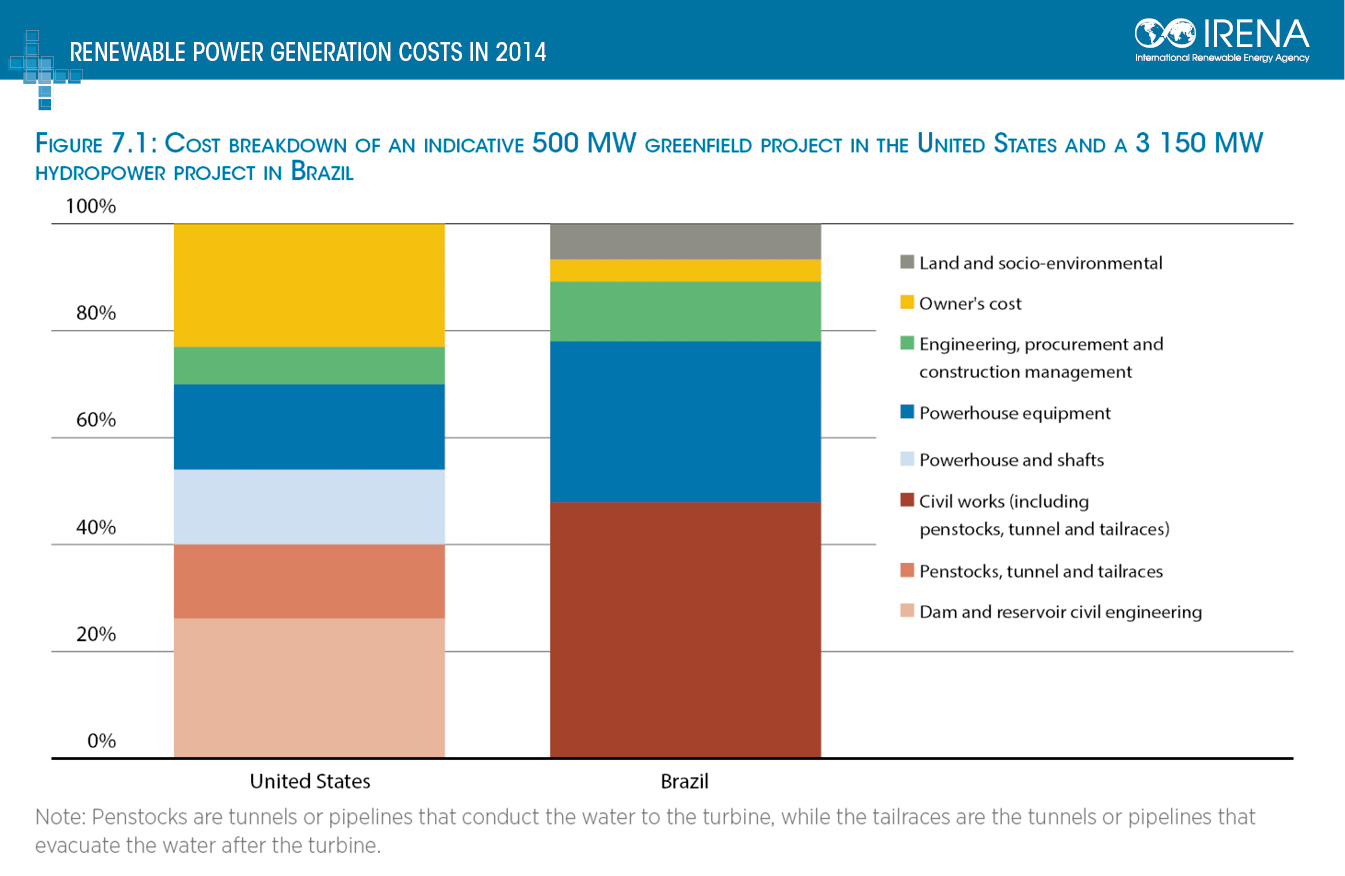
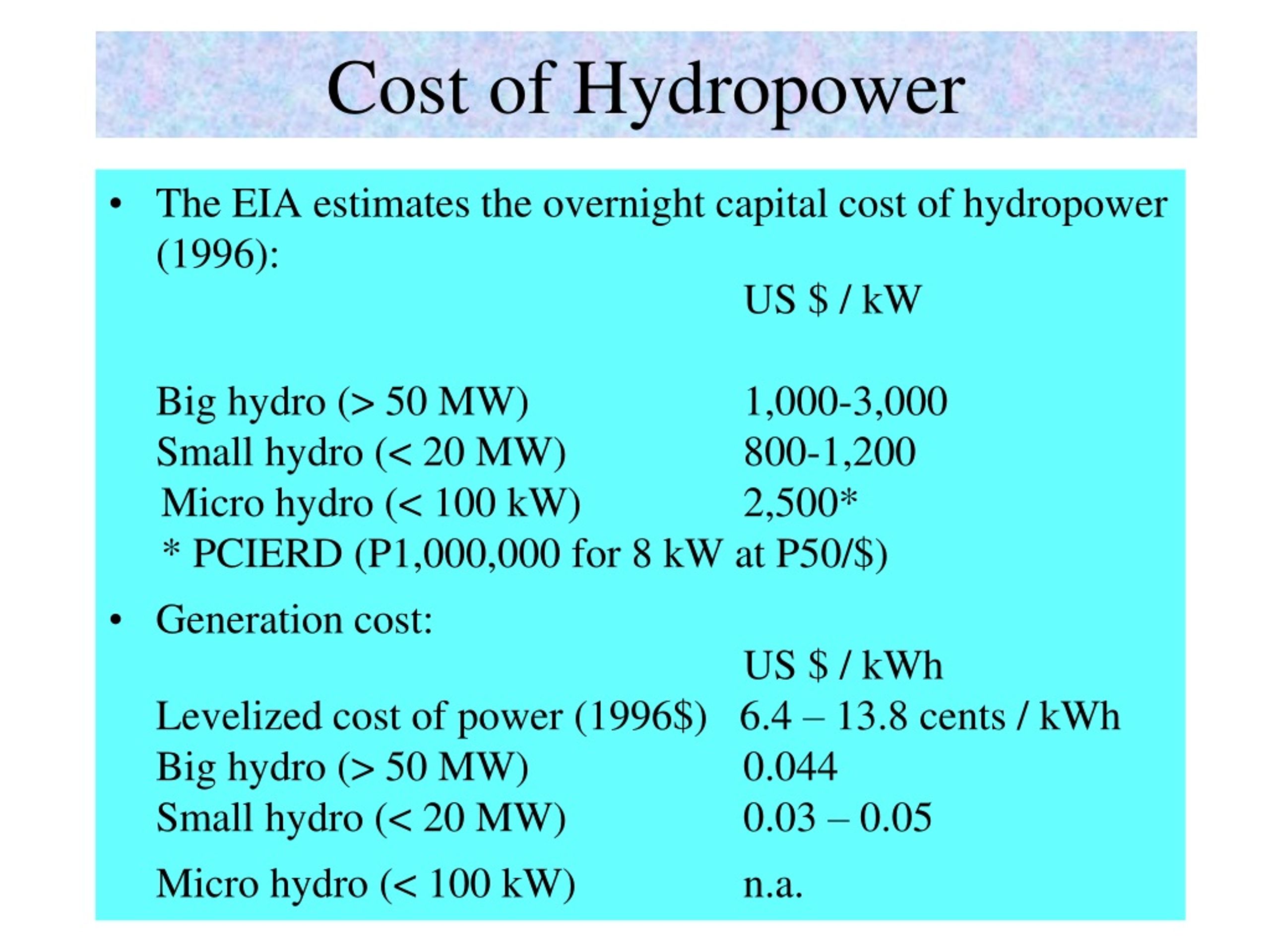
So, what's the catch? What is the true cost of this magnificent engineering marvel? It's not a simple price tag you can find in a store. Building a hydropower plant is a colossal undertaking, requiring immense initial financial investment. Think about the sheer scale of materials, the complex engineering, and the many years of construction. Beyond the hefty upfront capital, there are significant environmental and social considerations. Large dams can alter natural river ecosystems, potentially impacting fish migration and local habitats. Sometimes, communities must be relocated to make way for reservoirs, leading to complex social challenges. These are the less visible, but equally important, costs associated with harnessing a river's power.
Must Read
However, it's crucial to look at the full ledger. While the upfront costs are high, hydropower plants boast an incredibly long operational lifespan—often 50 to 100 years or more—with relatively low running and maintenance costs compared to other energy sources. Once the dam is built, the "fuel" (water) is free! This means over its decades of service, hydropower delivers electricity at a very competitive price per kilowatt-hour, especially when factoring in the avoided costs of fossil fuels and their associated pollution. It's an investment in the long-term sustainability and stability of our energy supply, yielding consistent returns far into the future.
To "enjoy" hydropower more effectively, it really boils down to understanding its multifaceted value. Next time you flip a switch, consider the journey of that electricity. Appreciate the engineering marvels that harness natural forces for our benefit. You can also actively look into your local utility's energy mix to see if hydropower plays a role. Advocate for balanced energy policies that consider both the benefits and the environmental/social responsibilities of all energy sources. Most importantly, simply being mindful of your energy consumption helps to make all forms of energy, including hydropower, go further and serve us more efficiently. It’s about recognizing that every kilowatt-hour has a story, a cost, and a benefit, all working together to power our modern world.