What Is The Charge Of Battery
Ever wonder what invisible magic keeps your smartphone buzzing, your remote control clicking, or your electric car zipping along? It’s all thanks to the humble battery! While we often just think of batteries as "full" or "empty," understanding what "charge" truly means is like peeking behind the curtain of modern life. It's not just a technical term; it's a key to making smarter choices about our devices, extending their life, and even keeping us safer. So, let’s demystify battery charge and discover why it’s actually a pretty fun and useful thing to know!
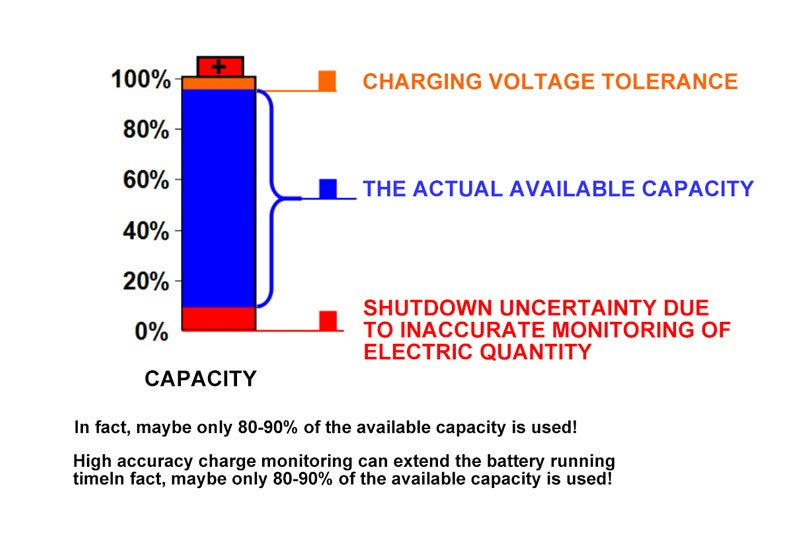
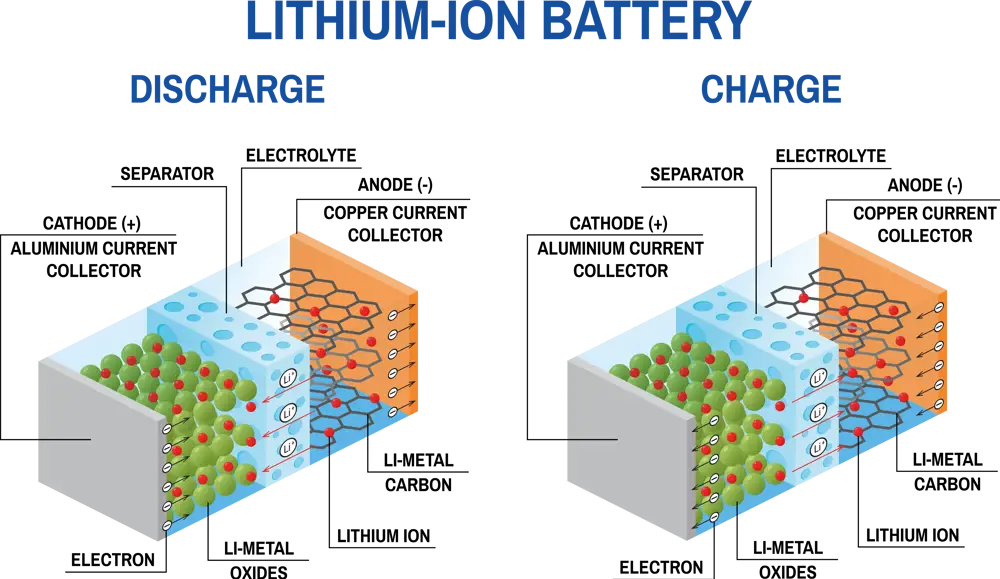
At its heart, the charge of a battery refers to the total amount of electrical energy it has stored and can deliver. Think of a battery like a tiny, personal power plant that you can carry in your pocket. When it's "charged," it's ready to unleash that stored energy to power your gadgets. When it's "discharged," it's like a fuel tank running on empty – time for a refill!
But how do we measure this magical energy? You've probably seen a few terms floating around:
Must Read
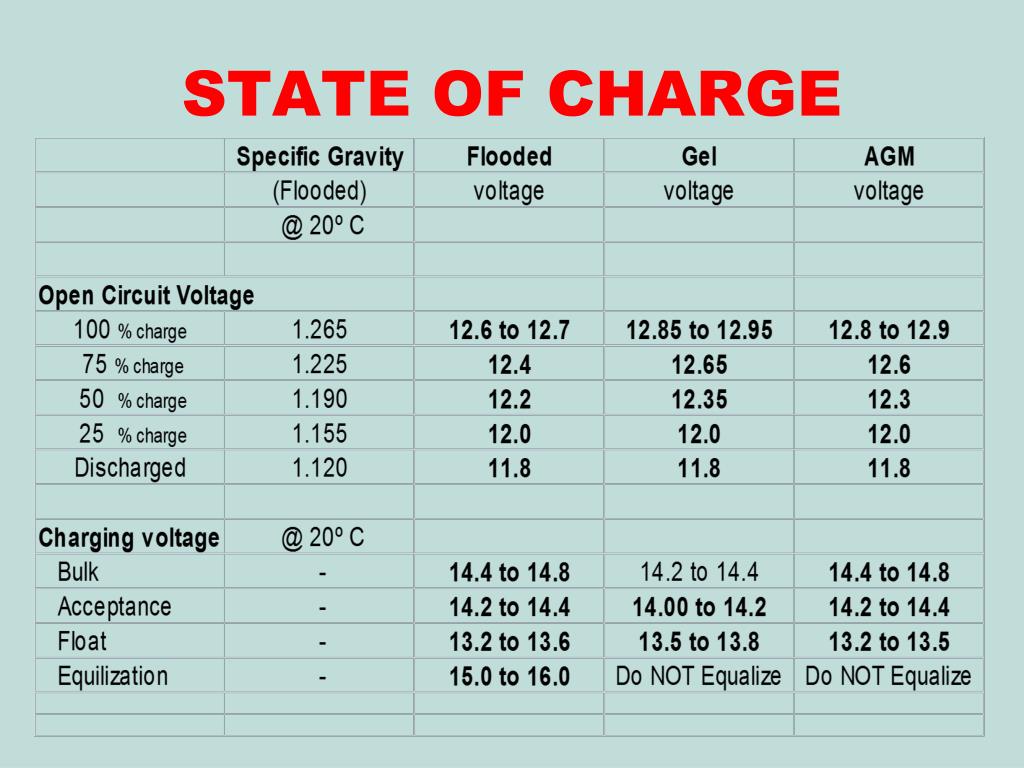
- Volts (V): This isn't the charge itself, but rather the electrical pressure or "push" the battery provides. Imagine it as the force behind the electricity, like water pressure in a hose. A higher voltage means more "push" for the same amount of flow. It's crucial for device compatibility – put a 9V battery in a device expecting 1.5V, and you might have a problem!
- Amps (A) / Milliamps (mA): This refers to the electrical current, or the rate at which electricity flows. It's like how much water flows out of the hose per second. While important for understanding how fast a device uses power, it doesn't tell you the total stored energy.
- Amp-hours (Ah) / Milliamp-hours (mAh): This is where we get to the actual "charge" capacity! An Amp-hour (Ah) tells you how many amps a battery can deliver for one hour. For instance, a 1 Ah battery can provide 1 amp of current for 1 hour, or 0.5 amps for 2 hours. Most small device batteries, like in your phone, are measured in milliamp-hours (mAh), where 1000 mAh equals 1 Ah. So, a phone with a 3000 mAh battery can deliver 3000 milliamps for one hour, or 1500 milliamps for two hours, and so on. This is the primary way we understand how much "juice" a battery holds.
- Watt-hours (Wh): This unit gives you the total amount of energy stored in the battery, taking both voltage and capacity into account (Voltage x Amp-hours = Watt-hours). It's great for comparing batteries of different voltages because it normalizes the total energy. For example, a 3.7V, 10,000 mAh power bank has 37 Wh (3.7V * 10Ah = 37 Wh) of energy.
So, why does this matter to you? Understanding these terms empowers you! When buying a new power bank, checking the mAh tells you how many full charges it can give your phone. When looking at laptop batteries, the Wh gives you a clearer picture of its total endurance. Knowing your battery's voltage helps ensure you use the correct charger, prolonging its life and preventing damage. In essence, comprehending battery charge helps you make informed decisions, optimize device performance, and confidently navigate our battery-powered world.
Next time you see those numbers on a battery, you'll know they're not just random figures. They're telling you the story of its power, its potential, and how long it can keep your world running. It’s a little bit of science, a little bit of magic, and a whole lot of usefulness!