What Is The Best Rate For Electricity Per Kwh
Alright, pull up a chair, grab a coffee (or something stronger, depending on your electricity bill!), and let's talk about the Holy Grail of home economics: the best rate for electricity per kWh. Sounds thrilling, right? Maybe not, but trust me, understanding this stuff can save you enough money to finally buy that solid gold toilet you've always dreamed of. (Okay, maybe not, but definitely a fancy new blender.)
So, what is a good rate? Well, that’s like asking what the best flavor of ice cream is. (It's obviously mint chocolate chip, but I digress.) It depends! But let’s break it down into digestible chunks, because nobody wants to choke on electrical jargon.
The Great Regional Rate Rumble
First things first, where do you live? Seriously. Your electricity rate is heavily influenced by your location. Think about it: if you live in a state practically powered by hydro-electric dams (like Washington, where the salmon practically swim upstream to power your toaster), your rates are likely to be lower than if you live in a state that’s importing electricity from, say, a hamster on a tiny treadmill. (That's not actually a power source, by the way. Don't write your senator.)
Must Read
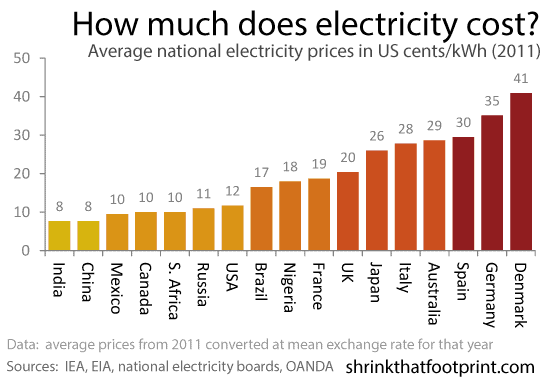
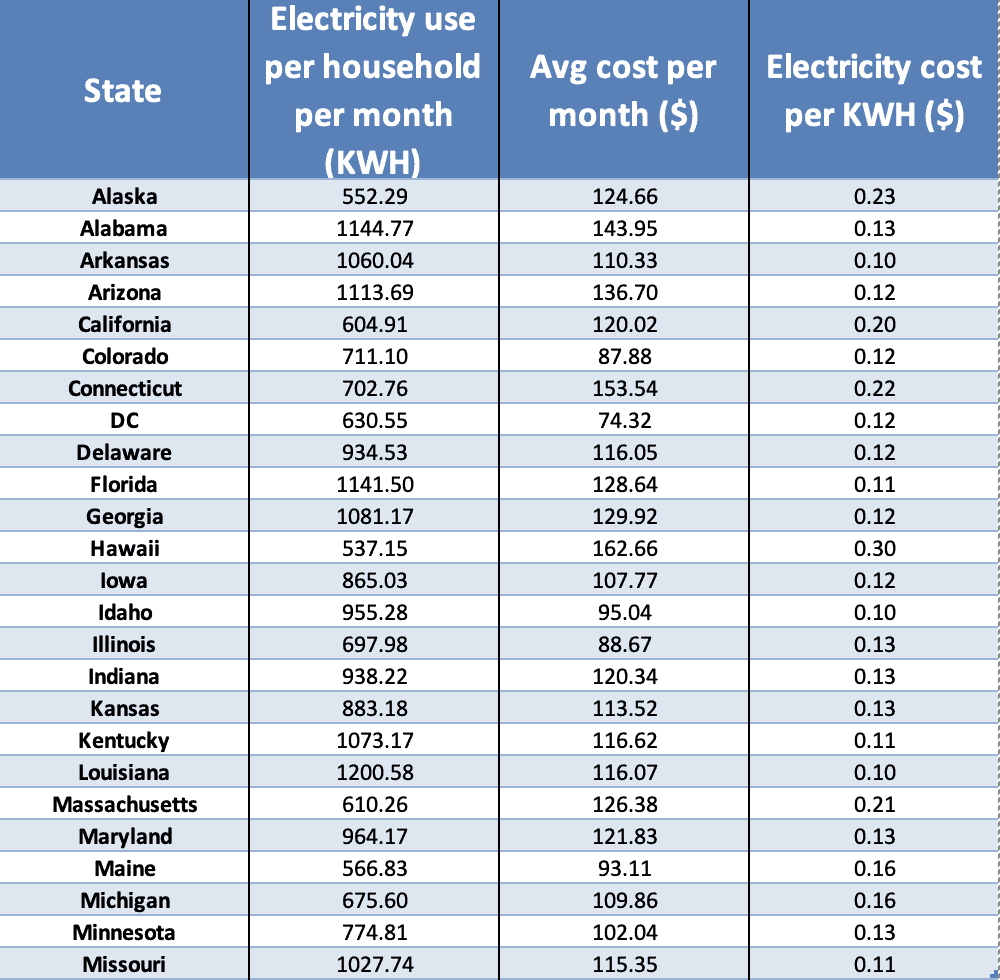
According to the U.S. Energy Information Administration (EIA), the national average residential electricity rate is around 16 cents per kWh. But don't just blindly accept that as gospel! In Louisiana, you might be dancing in the streets with rates around 12 cents per kWh. Meanwhile, in Hawaii, you could be paying closer to a staggering 35 cents per kWh. Ouch! That’s enough to make you consider moving into a grass hut and powering everything with coconuts.
Moral of the story: Check your state's average. The EIA website is your friend. They're like the nerdy, responsible friend who always knows the answer but never gets invited to parties.
Decoding Your Bill: It's Not Just Numbers!
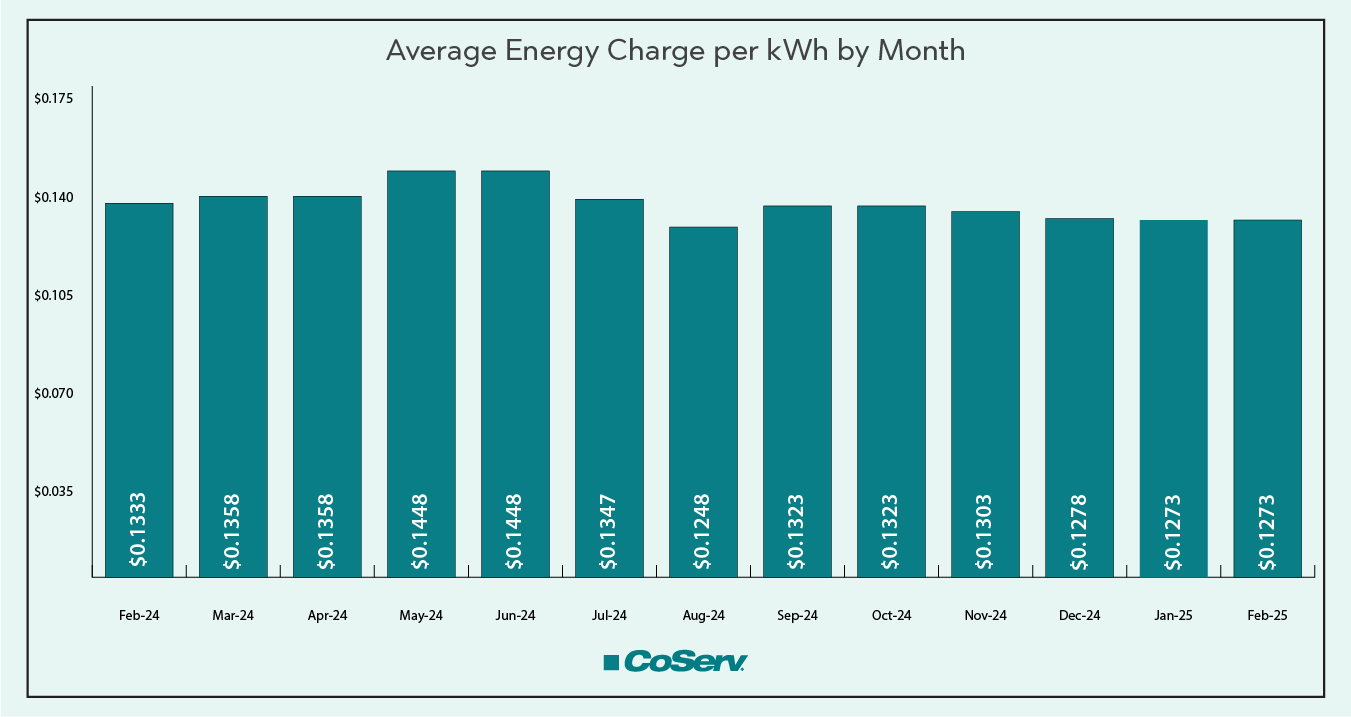
Now, let's talk about your actual bill. Don't just pay it and weep! (Okay, maybe a little weeping is allowed.) Really look at it. What are you actually being charged per kWh? This is where the fun (and potential horror) begins.
You might see different charges depending on the time of day you use electricity. Some providers offer time-of-use rates, meaning it's cheaper to run your dishwasher at 3 AM when everyone else is asleep (and hopefully not sleepwalking into your kitchen for a midnight snack). This is especially true if you have a smart meter. If you’re the type who parties all night and sleeps all day, this might be your ticket to financial freedom! (Or at least a slightly smaller electricity bill.)
Then there are tiered rates. Use less electricity, pay less per kWh. Use more, pay more. It's like a reverse bonus system, designed to encourage you to live like a frugal hermit. (Which, let's be honest, isn't the worst thing in the world sometimes.)
Shop Around! (Unless You Like Overpaying)
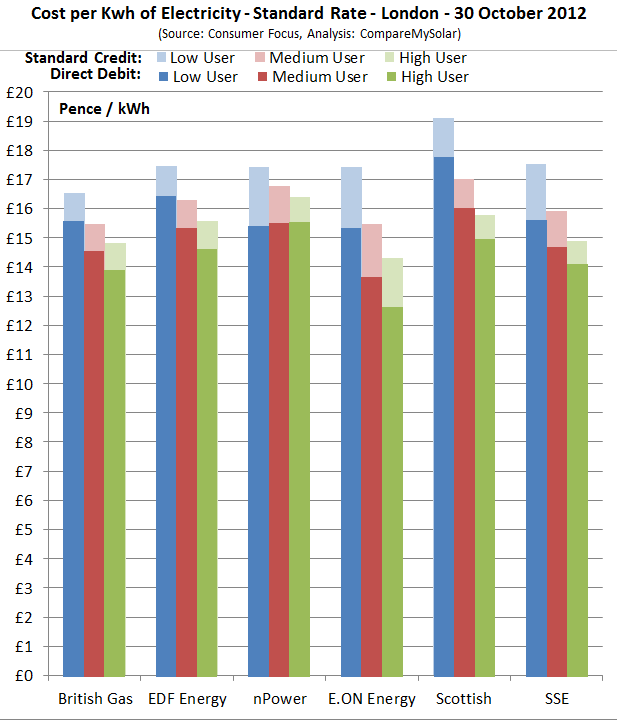
Here's the secret sauce: Don't just stick with the first electricity provider you find! In many areas, you have a choice. It's like dating – you wouldn't marry the first person you meet (unless you're in a rom-com, in which case, ignore everything I've said). Compare rates from different providers. Use online comparison tools. Haggle a little! (Okay, maybe you can't haggle, but it's worth a try. Tell them you'll name your firstborn after their company. Probably won't work, but hey, you tried.)
Look for plans with no hidden fees. Some providers will lure you in with a low rate, then hit you with a bunch of sneaky charges that make your bill look like a ransom note. Read the fine print! I know, it's boring, but it's better than being surprised by a $50 "hamster wheel maintenance" fee. (Again, hamsters are NOT powering our grid.)

Renewable Energy: Feeling Green, Saving Green?
Finally, consider renewable energy options. Many providers offer plans that source a portion (or all) of their electricity from renewable sources like solar and wind. These plans might be slightly more expensive upfront, but you'll be helping the planet, which is pretty cool. Plus, you can brag to your friends about how eco-conscious you are. (Just don't be too smug about it. Nobody likes a sanctimonious tree-hugger.)
Also, sometimes these renewable plans come with tax incentives or rebates, which can make them cheaper in the long run. So do some research and see if going green can also save you some green.
So, what’s the best rate per kWh? There’s no magical number. It depends on your location, usage, and the plans available in your area. But by doing your homework, comparing rates, and understanding your bill, you can find a rate that's right for you. And who knows, maybe you’ll even save enough money for that gold toilet after all! (Okay, I’m still skeptical, but hope springs eternal.)