
What Is The Best Heat Conductor
Ever wonder why some things get hot super fast, while others take their sweet time? It's like some materials are on a caffeine high when it comes to heat, zipping it around with incredible speed! Others are more like sloths, moving heat at a glacial pace. Today, we're diving into the exciting world of what makes heat zoom and discovering the absolute superstar of heat conduction.
What Exactly Is a Heat Conductor?
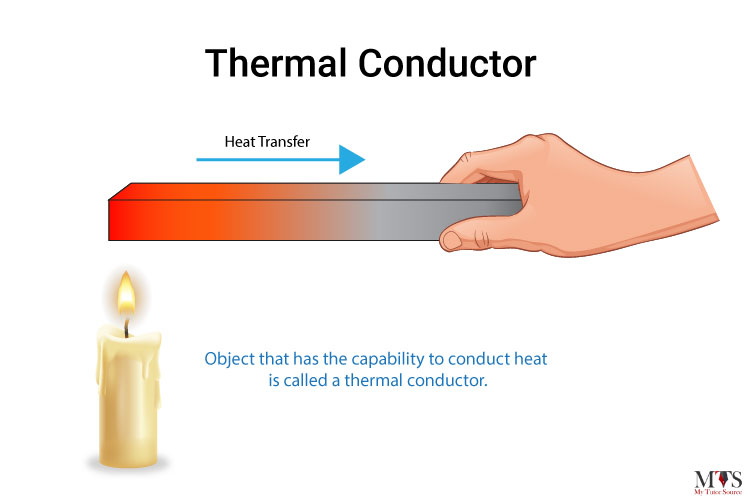
Think of it this way: a heat conductor is like a super-efficient highway for heat energy. When one part of it gets warm, that warmth quickly travels through the entire material. Some materials have many lanes and smooth asphalt, letting heat whiz by. Others have bumpy dirt roads and lots of traffic, slowing everything down. We want to find the ultimate express lane!
Why does this matter? Well, it impacts everything from how fast your morning coffee warms up in its mug, to how efficiently your computer stays cool. It’s all about moving that invisible energy around!
Must Read
Meet the Speedy Superstars!
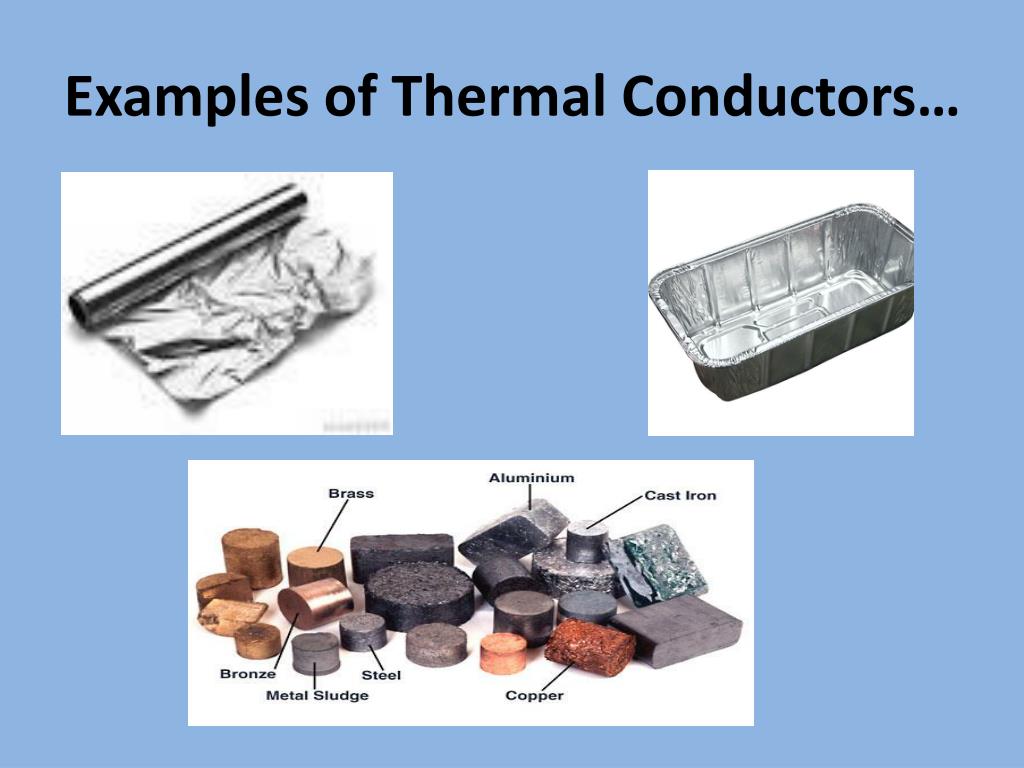
You probably already know some pretty good heat conductors. Metals are famous for it! Grab a metal spoon and put it in a hot drink. Feel how quickly the handle warms up? That’s conduction in action. Metals like aluminum and copper are excellent at this job. They’re the workhorses of the heat world, used in everything from cooking pots to car radiators.
"Some materials are like Formula 1 race cars for heat, zooming it along with incredible speed!"
But while these everyday heroes are fantastic, there’s a material that truly blows them out of the water. It’s not just good; it’s unbelievably good. It's the undisputed champion, a true marvel of nature.

The Reigning Champion: Diamond!
Yes, you read that right! The very same sparkling gem you might find in jewelry is the best natural heat conductor on Earth. Isn't that wild? You might think of it as super hard and shiny, but its ability to move heat is where it truly shines in the science world.
How does it do it? Well, imagine all the tiny atoms inside the diamond are lined up in a super-organized, incredibly strong lattice. When one atom gets a bit of heat energy (starts vibrating faster), it immediately passes that vibration to its neighbors. Because the atomic structure is so perfect and rigid, there's very little resistance, and the heat energy flies through it at an astounding pace. It's like a perfect chain reaction, incredibly efficient and lightning-fast!
This makes diamond an incredible material for anything that needs to stay cool under pressure. It's not just a pretty face; it’s a thermal superhero!
Real-World Superpowers
So, besides looking fabulous, how does diamond’s incredible heat transfer ability help us? It's crucial in high-tech fields! For instance, in powerful electronics, microchips generate a lot of heat. If that heat isn't moved away quickly, the chip can overheat and fail. Enter diamond, often used in thin films or as a component to draw heat away from delicate circuits, keeping our gadgets running smoothly and efficiently.
It's also fantastic in cutting tools. When you cut hard materials, friction creates immense heat. Tools tipped with diamond not only cut incredibly well due to their hardness but also whisk away that friction heat, making the tools last longer and perform better. It truly is a material with a fascinating blend of properties!
Close Contenders: Copper and Silver
While diamond holds the crown, other materials are still incredibly important and practical. Copper, for example, is the undisputed king of everyday heat conduction. It’s affordable, easy to work with, and a fantastic conductor. That's why your best pots and pans likely have a copper core, and your computer often has copper pipes to cool its processor.
Then there's silver. Believe it or not, silver is actually a better conductor of heat than copper (and also electricity!). It’s the best metal conductor out there. However, because it’s so much more expensive, it’s only used in very specialized, high-performance applications where that extra conductivity is absolutely essential, like some high-end audio cables or scientific instruments.
"Imagine cooking a perfect steak or keeping your computer cool – these materials are the unsung heroes making it happen!"
Why Should You Care?
Understanding what makes a good heat conductor is more than just a fun fact. It’s about how we design everything from our kitchen appliances to the supercomputers that power our world. Efficient heat management means less wasted energy, longer-lasting products, and often, better performance.
The next time you touch something warm or marvel at a fast-performing device, take a moment to appreciate the unsung heroes of materials science. Whether it's the humble copper in your pan or the extraordinary diamond in a cutting-edge chip, these materials are silently working hard, making our lives a little cooler, a little hotter, and a lot more efficient. Isn't that something worth getting curious about?