What Is The Best Air Conditioning Unit To Buy
Okay, folks, let's talk about staying cool! Not cool as in "effortlessly stylish while sipping an iced latte," but cool as in "surviving summer without melting into a puddle on the floor." We're diving deep (well, maybe ankle-deep) into the world of air conditioning units! Choosing the right one can feel like navigating a jungle filled with confusing acronyms and promises of Arctic blasts. Fear not! I’m here to guide you, armed with a healthy dose of common sense and perhaps a slightly unhealthy obsession with staying comfortable.
First Things First: Assess Your Sweaty Situation
Before you even think about buying an AC unit, you need to figure out what you're actually trying to cool. Are we talking about a cozy little bedroom, a sprawling living room that feels like the Sahara desert, or the entire house? This is crucial! Buying an AC that's too small is like trying to put out a bonfire with a water pistol – utterly pointless. And getting one that's too big? Well, it's like using a flamethrower to light a birthday candle – overkill, and potentially a bit dangerous (for your electricity bill, anyway).
Room Size Rules (More Like Guidelines, Really)
Okay, here's the super-simplified, not-scientifically-precise guide: a small room (think bedroom or office) probably needs around 5,000-8,000 BTUs. What's a BTU, you ask? It stands for British Thermal Unit, and it's basically a measurement of how much heat an AC unit can remove from a room per hour. A medium room (living room, bigger bedroom) might need 9,000-14,000 BTUs. And for a large space (open-plan living/dining area), you’re looking at 15,000 BTUs or more. Remember, these are just estimates! Consider factors like how many windows you have, how much sun your room gets, and how well insulated your walls are. If in doubt, err on the side of slightly bigger – you can always turn it down!
Must Read
The Contenders: A Rundown of Cooling Champions
Now, let's meet the players in the AC game!
- Window Units: These are the classic, budget-friendly heroes. They sit (somewhat precariously) in your window and blast cold air into the room. They're great for single rooms, relatively easy to install (though you might need a friend for heavy lifting!), and generally won't break the bank. The downside? They can be a bit noisy, and they do block your view. But hey, who needs a view when you're perfectly chilled?
- Portable Units: Think of these as the nomads of the AC world. They roll around on wheels, so you can move them from room to room. They're great if you need cooling in different areas at different times, but they're generally less powerful than window units, and they require a hose that vents out a window (which can be a bit of a pain). Plus, they can be a little…temperamental. Some models are whisper-quiet, while others sound like a jet engine taking off.
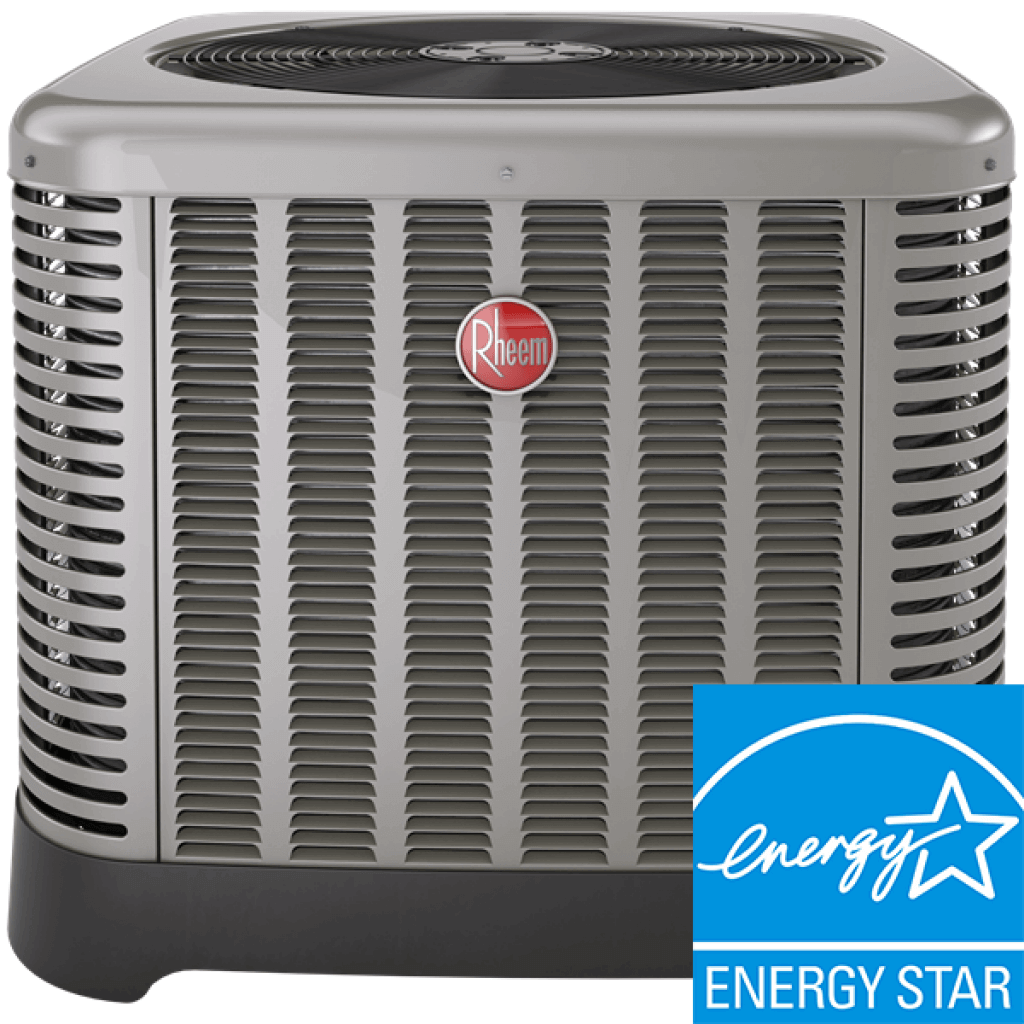
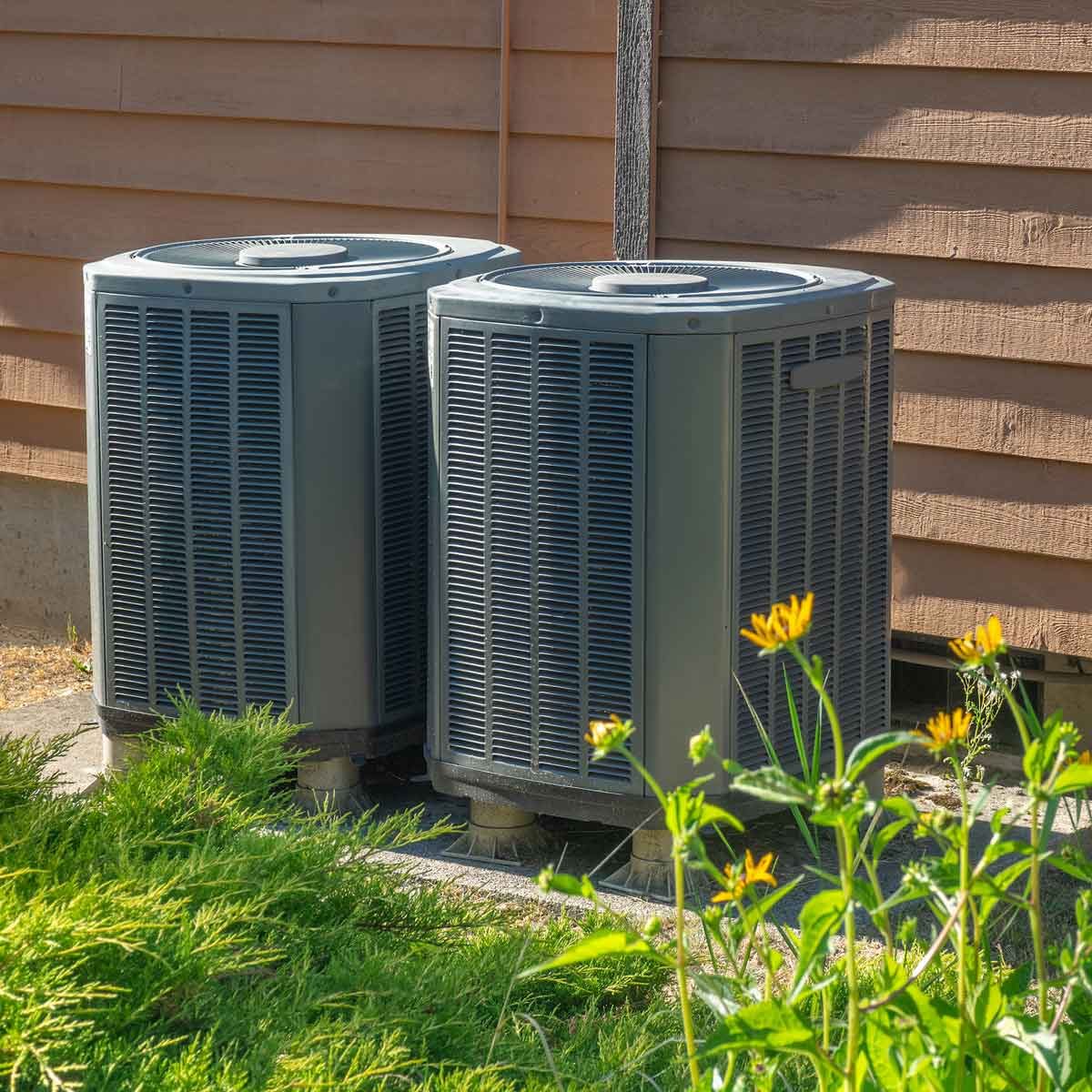
- Central Air Conditioning: This is the big kahuna, the ultimate cooling solution for the entire house. It involves a complex system of ducts and vents, and it's usually installed by professionals. Central AC is the most efficient and effective way to cool your whole home, but it's also the most expensive. Think of it as the Rolls Royce of air conditioning.
- Ductless Mini-Splits: These are like the cool, sophisticated cousins of window units. They consist of an outdoor compressor and one or more indoor units that are mounted on the wall. They're more energy-efficient and quieter than window units, and they don't block your view. They're also more expensive than window units, but they're a good option if you want to cool individual rooms without installing a whole-house system.
The Verdict: What's Right for YOU?
Honestly, there's no single "best" AC unit. It all depends on your individual needs, budget, and tolerance for DIY projects. If you're on a tight budget and need to cool a single room, a window unit is probably your best bet. If you need flexibility and the ability to move your AC around, a portable unit might be a good choice. If you want to cool your whole house efficiently and effectively, central air conditioning is the way to go (if you can afford it!). And if you want a quiet, energy-efficient solution for individual rooms, ductless mini-splits are worth considering.
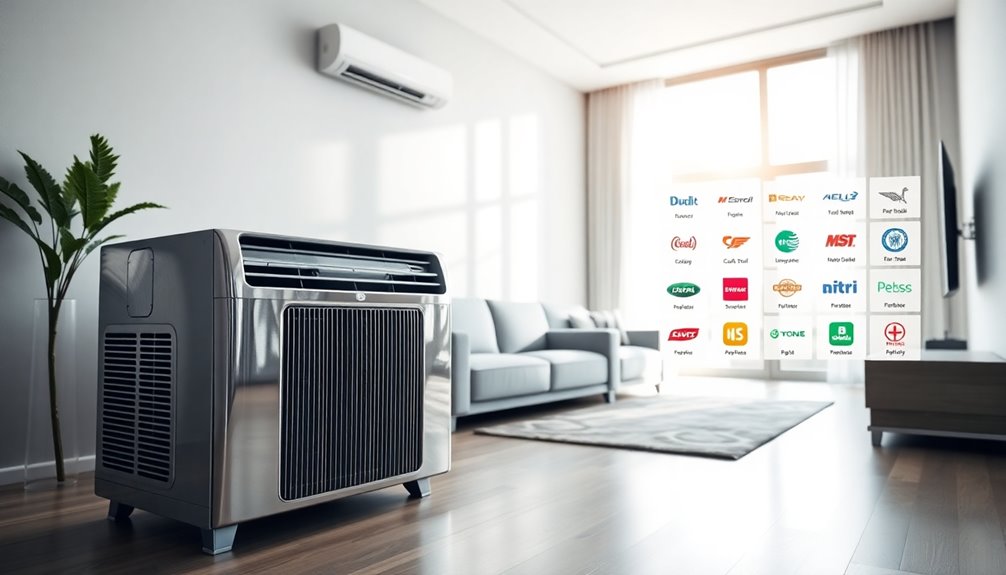
Remember to read reviews, compare prices, and don't be afraid to ask questions! And most importantly, stay cool! (Literally and figuratively, of course.)
Pro Tip: Don’t forget to check the Energy Efficiency Ratio (EER) or Seasonal Energy Efficiency Ratio (SEER) rating. The higher the number, the more efficient the unit!