What Is The Average Watts Of A Refrigerator
Ever wonder how much juice your fridge is slurping down while keeping your leftovers cool and your ice cream frozen? We rarely think about it, but that trusty appliance is a constant presence in our lives and a significant player in our monthly electricity bill. So, let's dive into the not-so-secret world of refrigerator wattage and why you should maybe, just maybe, care about it.
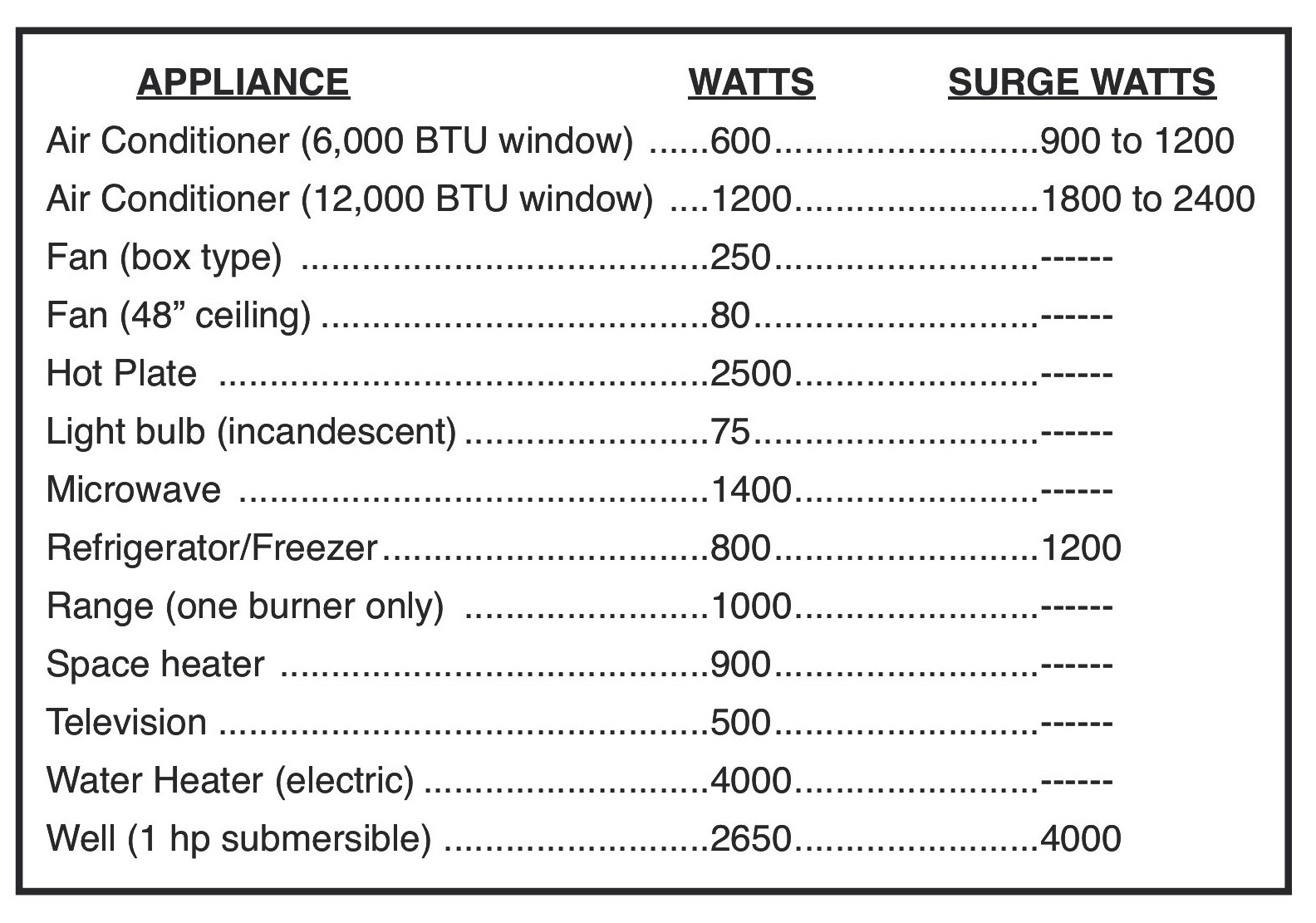
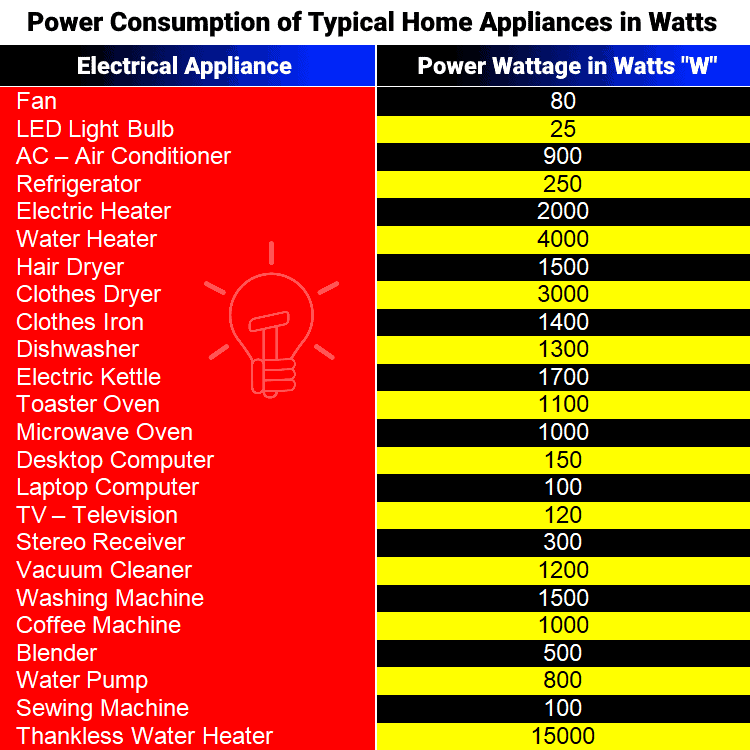
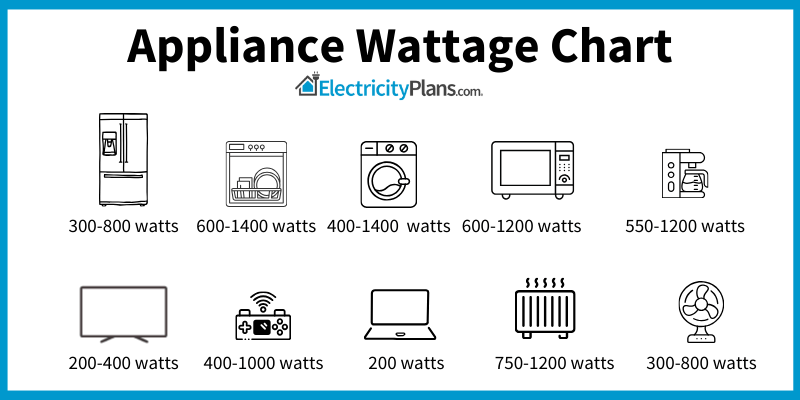
The short and sweet answer? The average refrigerator uses around 100 to 200 watts. But hold your horses! That's just an average, and like most averages, it doesn’t tell the whole story.
Factors That Fridge-Up the Wattage
Think of your refrigerator like your car. A tiny, fuel-efficient compact car uses way less gas than a big, gas-guzzling SUV, right? Refrigerators are the same. Several factors determine how much power your fridge needs to keep things chilly.
Must Read
- Size Matters: A compact fridge meant for a dorm room will obviously use less energy than a giant side-by-side model with all the bells and whistles.
- Age is More Than Just a Number: Older refrigerators are often less energy-efficient than newer models. They may have less effective insulation and less efficient compressors. Imagine your grandma's old fridge humming away – bless its heart, it’s probably costing more to run than a brand new one.
- Features, Features, Features: Ice makers, water dispensers, and fancy digital displays all add to the energy consumption. Think of them as the optional extras on your car; nice to have, but they'll cost you extra.
- How Full is Your Fridge? Surprisingly, a fuller refrigerator is often more efficient than an empty one. The food helps maintain a consistent temperature, meaning the compressor doesn't have to work as hard. So go ahead, stock up on those groceries!
- Temperature Settings: The colder you set your fridge, the harder it has to work. Think of it like turning up the AC in your car on a hot day – it uses more gas.
Why Bother Knowing?
Okay, so your fridge uses some watts. Big deal, right? Wrong! Understanding your fridge's energy consumption can save you money and even help the environment. Here’s why you should pay attention:
- Money, Honey! Your refrigerator runs 24/7, 365 days a year. That adds up! Knowing its wattage helps you estimate its impact on your electricity bill. Even a small difference in wattage can translate to significant savings over time. Think of it as finding a few extra dollars in your pocket each month.
- A Little Green Goes a Long Way: Less energy consumption means a smaller carbon footprint. By choosing an energy-efficient refrigerator, you're helping to reduce your environmental impact. You're practically saving the planet, one chilled cucumber at a time!
- Informed Decisions: When it's time to replace your old fridge, knowing about wattage allows you to make a smarter purchase. Look for the Energy Star label, which indicates that the appliance meets strict energy efficiency guidelines. It's like getting a gold star for being a responsible consumer!
Figuring Out Your Fridge's Wattage: Detective Time!
So, how do you find out the wattage of your refrigerator? Don't worry, you don't need to be an electrician! Here are a few easy ways:

- Check the Label: Most refrigerators have a sticker on the back or inside that lists the wattage or amperage. If you see amperage (amps), you can calculate the wattage by multiplying the amps by the voltage (usually 120 volts in the US). So, 2 amps x 120 volts = 240 watts.
- Consult the Manual: That dusty manual you stashed away might actually be useful! It should contain the refrigerator's specifications, including its wattage.
- Use a Watt Meter: You can buy a watt meter online or at most hardware stores. Simply plug your refrigerator into the meter, and it will tell you how much power it's using. It's like having a personal energy auditor for your fridge!
Small Changes, Big Impact
Even if you can’t run out and buy a new, super-efficient fridge right now, there are still things you can do to reduce your refrigerator's energy consumption:
- Keep it Clean: Regularly clean the condenser coils (usually located on the back or bottom of the fridge). Dust and dirt can make the fridge work harder.
- Seal the Deal: Make sure the door seals are tight. You can test this by closing the door on a piece of paper. If you can easily pull the paper out, the seal isn't tight enough.
- Strategic Placement: Don't place your refrigerator next to a heat source, like an oven or direct sunlight.
- Don't Overload: Avoid overfilling your refrigerator, which can restrict airflow.
So, there you have it! The mystery of refrigerator wattage, unraveled. It might not be the most glamorous topic, but understanding how much energy your fridge uses can save you money, help the environment, and make you a more informed consumer. Now, go forth and conquer your kitchen, armed with this newfound knowledge!