
What Is The Average Wattage Of A Refrigerator
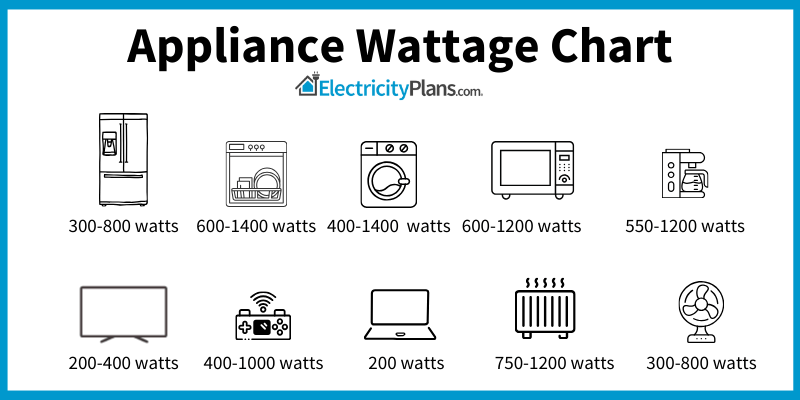
Hey there, fridge fanatics! Ever wondered how much power that trusty appliance in your kitchen actually guzzles? Probably not, right? But stick with me, because understanding your refrigerator's wattage isn't just about being energy conscious (though that's definitely a bonus!). It's about understanding your home, saving some cash, and even making some smarter appliance choices down the line. Trust me, this is way more exciting than it sounds!
So, let's get down to brass tacks: What's the average wattage of a refrigerator? Generally speaking, a standard-sized refrigerator uses between 100 and 400 watts. That's a pretty wide range, I know. But don't worry, we'll break it down further so you can get a better handle on your specific fridge.
Decoding the Wattage Mystery
Why such a big range? Several factors influence a refrigerator's power consumption. Think of it like this: a tiny, dorm-room fridge is going to use way less energy than a giant, side-by-side model with all the bells and whistles (ice maker, water dispenser, the works!).
Must Read
Here are some key factors that affect wattage:
- Size: Bigger fridge, bigger energy needs. Simple as that!
- Type: Top-freezer models are generally more energy-efficient than side-by-side or bottom-freezer models. Why? Because they're often simpler in design and have less surface area to lose cold air from.
- Age: Older refrigerators are notorious energy hogs. Seriously, upgrading from a relic could save you a bundle!
- Features: Ice makers, water dispensers, automatic defrost – all these features add to the wattage.
- Energy Efficiency: This is a big one! Look for the Energy Star label. These fridges are designed to use less energy and save you money in the long run. (Cha-ching!)
So, how do you find out your fridge's wattage? The easiest way is to check the appliance's energy guide label. It's usually located inside the refrigerator, near the door. This label will tell you the estimated annual energy consumption in kilowatt-hours (kWh). Don't panic if you only see kWh! You can convert it to wattage. (Google is your friend here, or keep reading – I'll give you a rough estimate in a bit.)

Another option is to check the manufacturer's website or the owner's manual. They should have the wattage information readily available.
Wattage to Dollars: Understanding the Cost
Okay, so you know your fridge uses, say, 200 watts. What does that really mean? Well, let's put it in terms of dollars and cents.

To calculate the daily energy consumption, you can use this formula: (Wattage x Hours Used Per Day) / 1000 = kWh per day
Let's say your fridge uses 200 watts and runs for 24 hours a day (which, let's be honest, it pretty much does). That's (200 x 24) / 1000 = 4.8 kWh per day.
Now, to figure out the cost, you need to know your electricity rate. Check your electricity bill – it's usually expressed in cents per kWh. Let's say your rate is $0.15 per kWh.
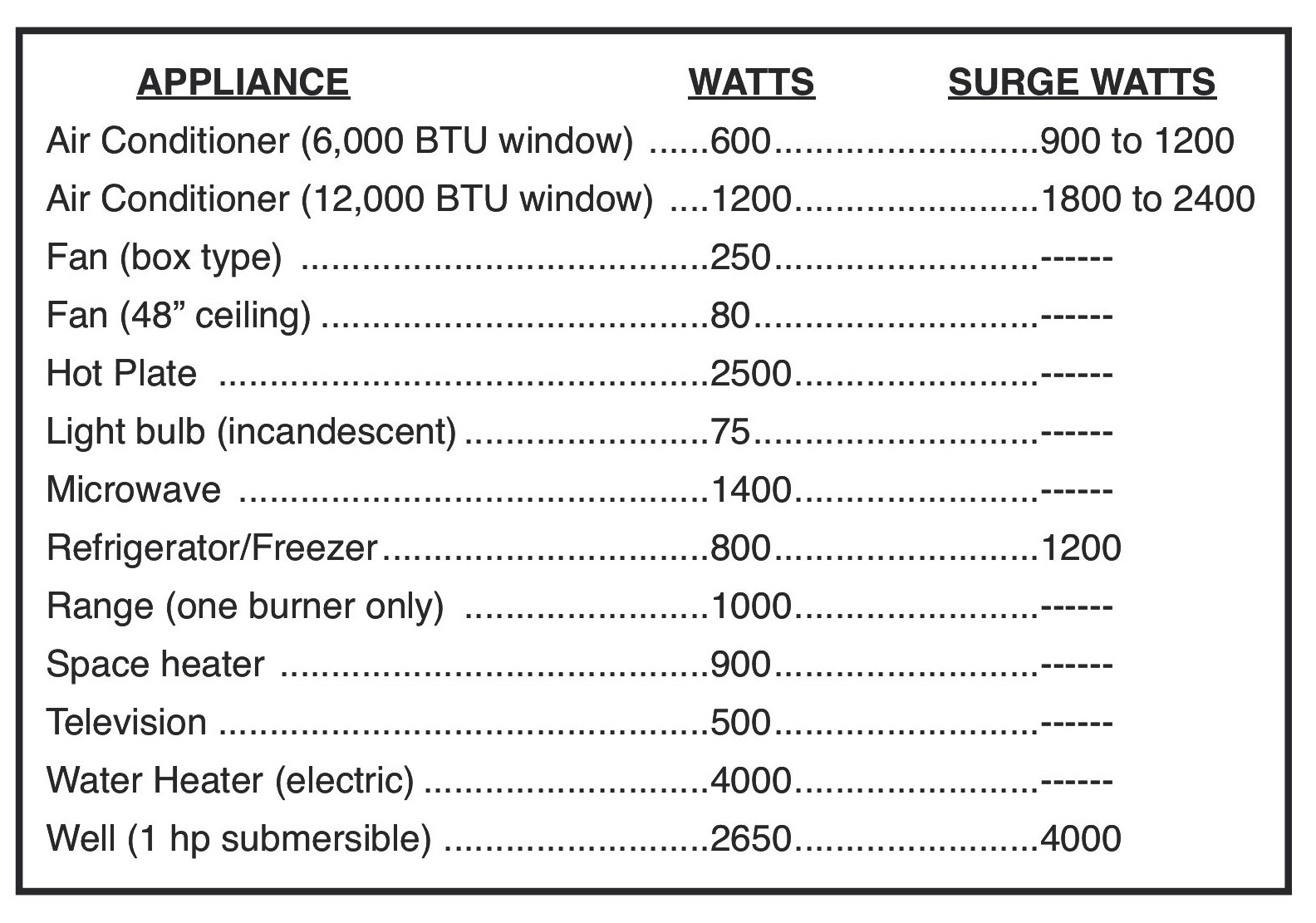
Then, the daily cost is 4.8 kWh x $0.15 = $0.72. Multiply that by 365 days, and you get an annual cost of $262.80! Wow! Suddenly, that energy-efficient fridge upgrade is looking pretty tempting, isn't it?
Simple Ways to Save Fridge Energy (and Money!)
Even if you're not ready to buy a new fridge, there are plenty of things you can do to reduce its energy consumption:

- Keep it clean: Dust on the coils makes it work harder. (Think of it like making your fridge do push-ups!)
- Don't overfill it: Overpacking restricts airflow.
- Don't leave the door open: Every time you open the door, cold air escapes, and your fridge has to work to cool it back down. (Be decisive!)
- Check the door seals: Make sure they're airtight. A simple dollar-bill test can reveal leaks.
- Set the temperature correctly: Optimal temperatures are usually around 37-40°F (3-4°C) for the refrigerator and 0°F (-18°C) for the freezer.
These small changes can make a surprisingly big difference in your energy bill! Think of it as a fun little game to see how low you can go!
So, there you have it! Everything you ever (possibly) wanted to know about refrigerator wattage. Understanding your appliances' energy usage empowers you to make smart choices, save money, and contribute to a more sustainable lifestyle. It's like being a superhero of energy efficiency! Now, go forth and conquer those kilowatt-hours!
And hey, this is just the tip of the iceberg! There's a whole world of energy-saving tips and appliance knowledge out there. Don't be afraid to explore and learn more. The more you know, the more power you have (pun intended!). Who knew learning about refrigerators could be so... inspiring?