
What Is The Average Wattage For A Refrigerator
Ever wondered how much energy your refrigerator actually guzzles? It's a question that's surprisingly fun to explore, especially when you realize understanding your fridge's wattage can save you money and help you make more eco-conscious choices. Plus, who doesn't love a little kitchen trivia to impress your friends at the next dinner party? Let’s dive in and demystify the power behind keeping your leftovers cool!
So, what exactly is wattage, and why should you care? Wattage is a measure of electrical power. Think of it as the rate at which your refrigerator is using energy. Knowing your fridge's wattage helps you understand its energy consumption, which has several important benefits. First, it allows you to estimate your electricity bill more accurately. Second, it empowers you to compare different refrigerator models and choose the most energy-efficient one. Finally, understanding your energy usage contributes to a more sustainable lifestyle by helping you reduce your carbon footprint.
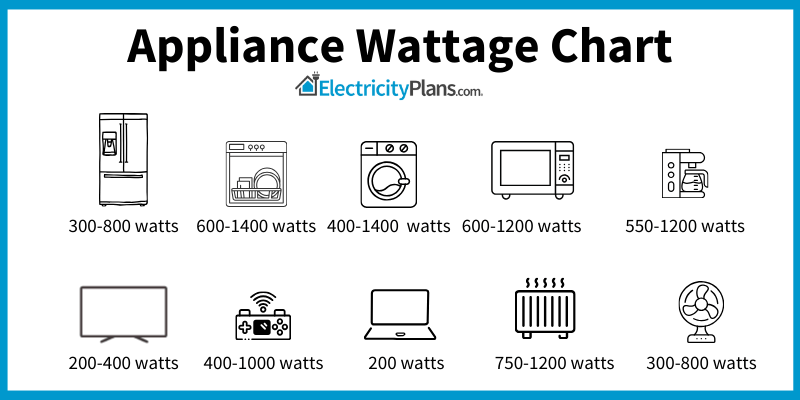
Now, let’s get down to brass tacks: what's the average wattage for a refrigerator? The honest answer? It varies! Several factors influence a refrigerator's energy consumption, including its size, age, features (like ice makers and water dispensers), and energy efficiency rating. However, as a general guideline, a typical refrigerator uses between 100 and 400 watts. Smaller refrigerators, like those found in dorm rooms or apartments, usually fall on the lower end of the spectrum. Larger, more feature-packed models tend to consume more power.
Must Read
But here's the catch: that's just the running wattage. Refrigerators don't run constantly. They cycle on and off to maintain the desired temperature. So, to calculate the average daily or monthly energy consumption, you need to consider the duty cycle – the percentage of time the refrigerator is actually running. A reasonably efficient refrigerator might run for about 8-12 hours a day. To get a more precise estimate, check the energy guide label on your refrigerator. This label provides an estimate of the annual energy consumption in kilowatt-hours (kWh), which is a more useful metric for comparing energy efficiency.

Want to get a better handle on your fridge's energy use? Here are a few simple steps: first, locate the energy guide label. It's usually located inside the refrigerator. Second, find the wattage listed on the label or on the appliance itself. If it only shows amperage (amps) and voltage (volts), you can calculate wattage using the formula: Watts = Amps x Volts. Third, consider the duty cycle. Observe how often your refrigerator's compressor runs throughout the day. Finally, use an online energy calculator or consult with your utility company to estimate your refrigerator's energy consumption and cost.
Understanding your refrigerator's wattage is more than just a fun fact; it's a practical step towards saving money and conserving energy. So, next time you grab a snack from the fridge, take a moment to appreciate the power that keeps your food fresh and consider how you can make smarter energy choices!
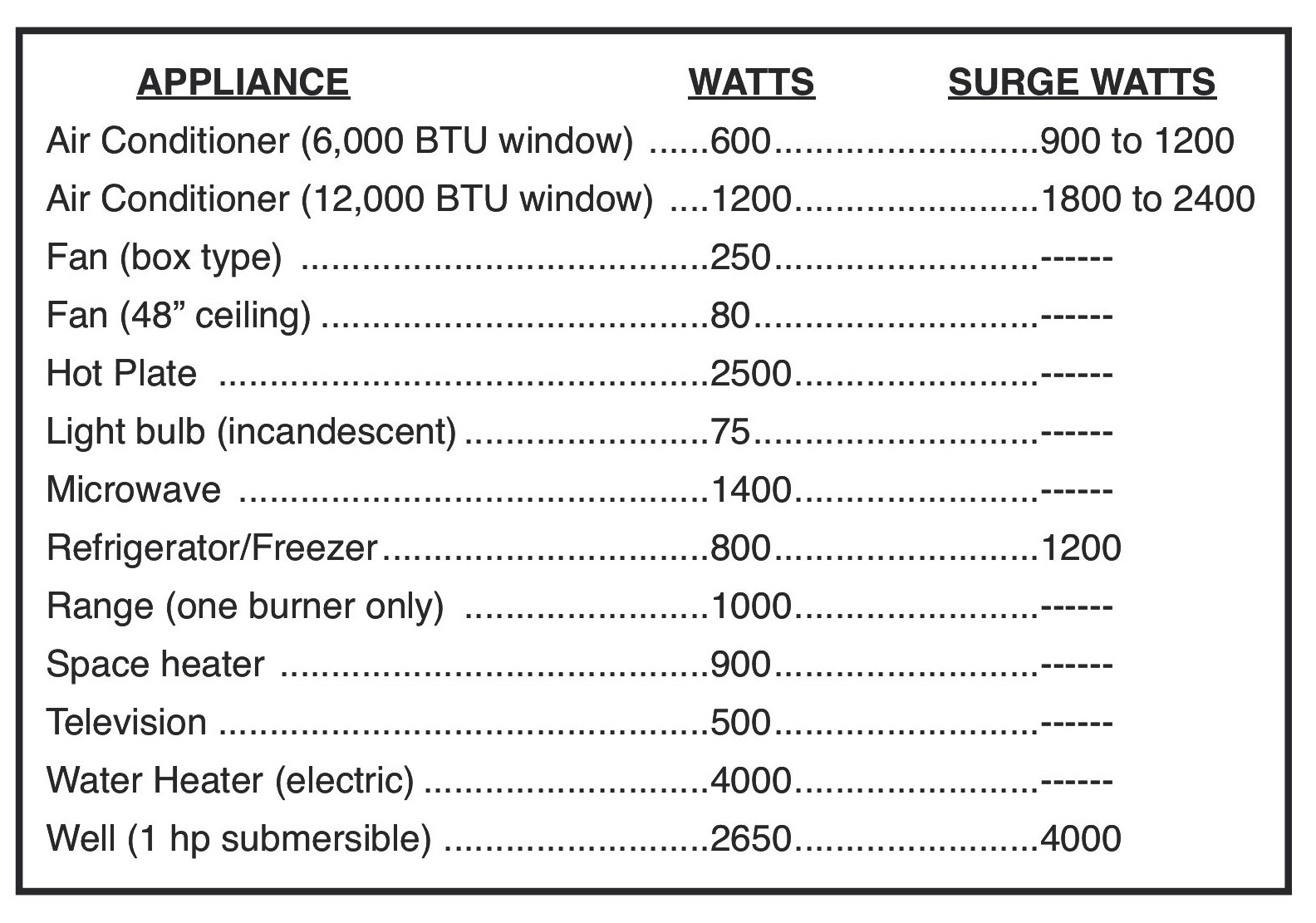

![Mini Fridge Wattage [1,494+ Units | Most Efficient Revealed]](https://ecocostsavings.com/wp-content/uploads/2023/04/mini-fridge-wattage-examples.jpg)