
What Is The Average Temperature In The Winter
Okay, folks, gather 'round! Let's talk winter. That glorious, frosty, sometimes-a-little-too-long season where your car inexplicably decides to become an ice sculpture overnight. We're diving into the burning question: what’s the actual average temperature in winter? Spoiler alert: it's colder than a polar bear's toenails. But hey, that's why we have hot chocolate, right?
First, let's tackle the elephant in the igloo: "average" is a slippery concept. It's like asking, "What's the average height of a human?" Well, are we talking about NBA players or toddlers who just learned to walk? Context, my friends, context is king! So, when we talk winter average, we need to break it down.
The National Oceanic and Atmospheric Administration (NOAA), bless their number-crunching hearts, defines winter as December, January, and February. That's meteorological winter. Astronomical winter starts with the winter solstice, the shortest day of the year. Think of it as the calendar saying, "Okay, darkness, you've had your fun. Time for the sun to start winning!" But for the sake of simplicity (and my sanity), we'll stick with the NOAA's definition.
Must Read
Now, for the big reveal! Are you ready? Drumroll, please… Okay, just imagine a drumroll. Globally, the average temperature in winter is… uh… well, it's complicated. Just kidding! (Sort of.) There isn't a single, neat, universally applicable number. Why? Because Earth isn’t exactly known for its uniformity. Averages are calculated using historical data. They can vary from -40 to 20 °C. That is an enormous range!
Think about it. Antarctica is having a very different winter experience than, say, Miami. I bet the penguins aren't complaining about the lack of sun screen.
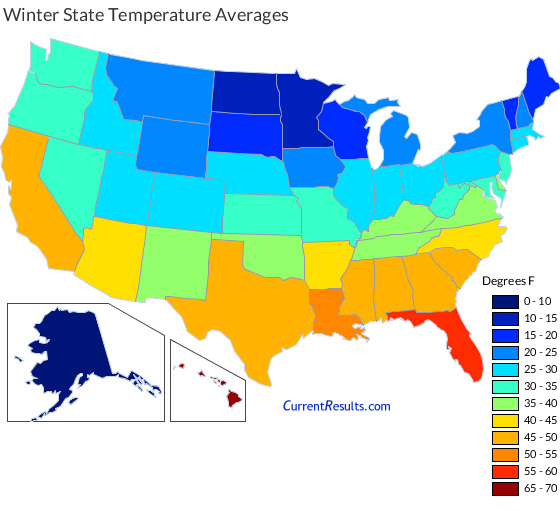
So, let’s zoom in a little. Let's consider the good ol' US of A. Here's where it gets interesting. The average winter temperature in the contiguous United States (that's the lower 48, excluding Alaska and Hawaii, who are off doing their own thing – shoutout to the Aloha State!) is around 33°F (0.6°C). That's just above freezing. Which explains why sometimes you're scraping ice off your windshield and other times you're wondering if you accidentally stepped into spring.
Regional Revelations!
But wait, there's more! That 33°F is just an average. Let's break it down by region. The Northeast is bracing itself for temperatures that are, shall we say, less tropical. Parts of Maine can regularly see average winter temperatures well below freezing. In fact, if you’re a snowman enthusiast, New England is basically your winter wonderland.
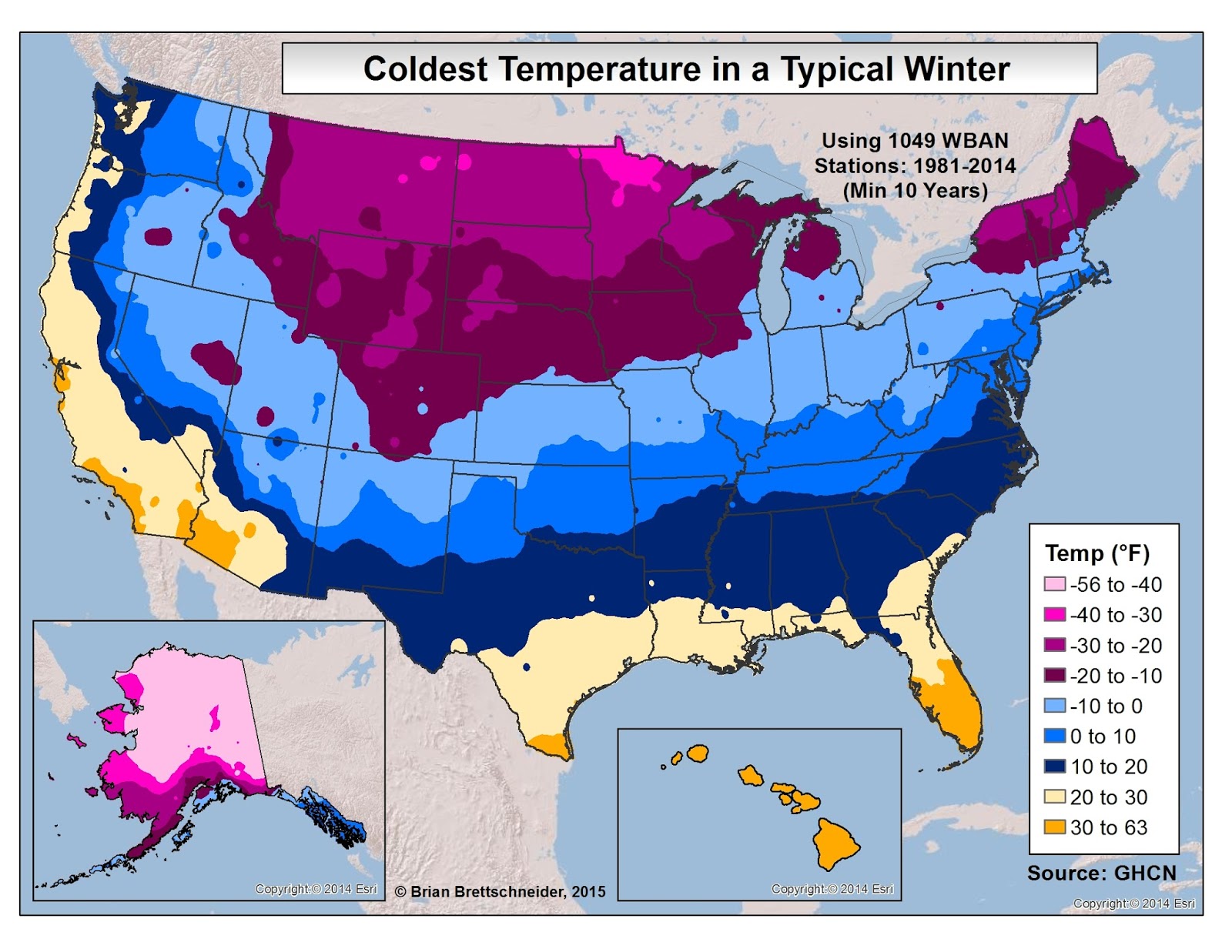
The Midwest? Prepare for the "polar vortex." This is when Arctic air decides to take a joyride south, bringing temperatures so cold that even your thoughts freeze. Okay, maybe not your thoughts, but definitely your exposed skin. I once heard a story about a guy in Minnesota whose beard froze solid while he was just walking to the mailbox. True story? Maybe. Entertaining story? Absolutely.
The South, meanwhile, is having a slightly milder winter. Average temperatures are generally warmer, but even they get the occasional cold snap. And when the South gets snow? Pandemonium! School's out, bread and milk are flying off the shelves, and everyone's suddenly an expert on driving in icy conditions. It's a sight to behold.
Out West, the mountains are getting buried in snow (yay for skiing!), while the coastal areas are having a relatively mild, albeit often rainy, winter. So, if you’re looking for a winter getaway with options, California has you covered. You can go skiing in the morning and surfing in the afternoon! That's what I call multitasking.
Factors at Play!
Now, you might be wondering: what makes winter temperatures fluctuate so much? Several factors are at play. Latitude is a big one. The further you are from the equator, the less direct sunlight you get during winter, and the colder it gets. It's basic geography, folks. But also, remember the Earth is tilted, so different areas receive different amounts of sun.
Elevation also plays a role. Higher elevations are generally colder than lower elevations. That's why mountain tops are often covered in snow, even in the middle of summer. It's not magic; it's just physics.

Ocean currents also have a significant impact on winter temperatures. Warm ocean currents can help to moderate temperatures in coastal areas, while cold ocean currents can make things even colder. The Gulf Stream, for example, keeps Western Europe significantly warmer than it would otherwise be at that latitude. Thank you, Gulf Stream, for keeping London from turning into an ice rink.
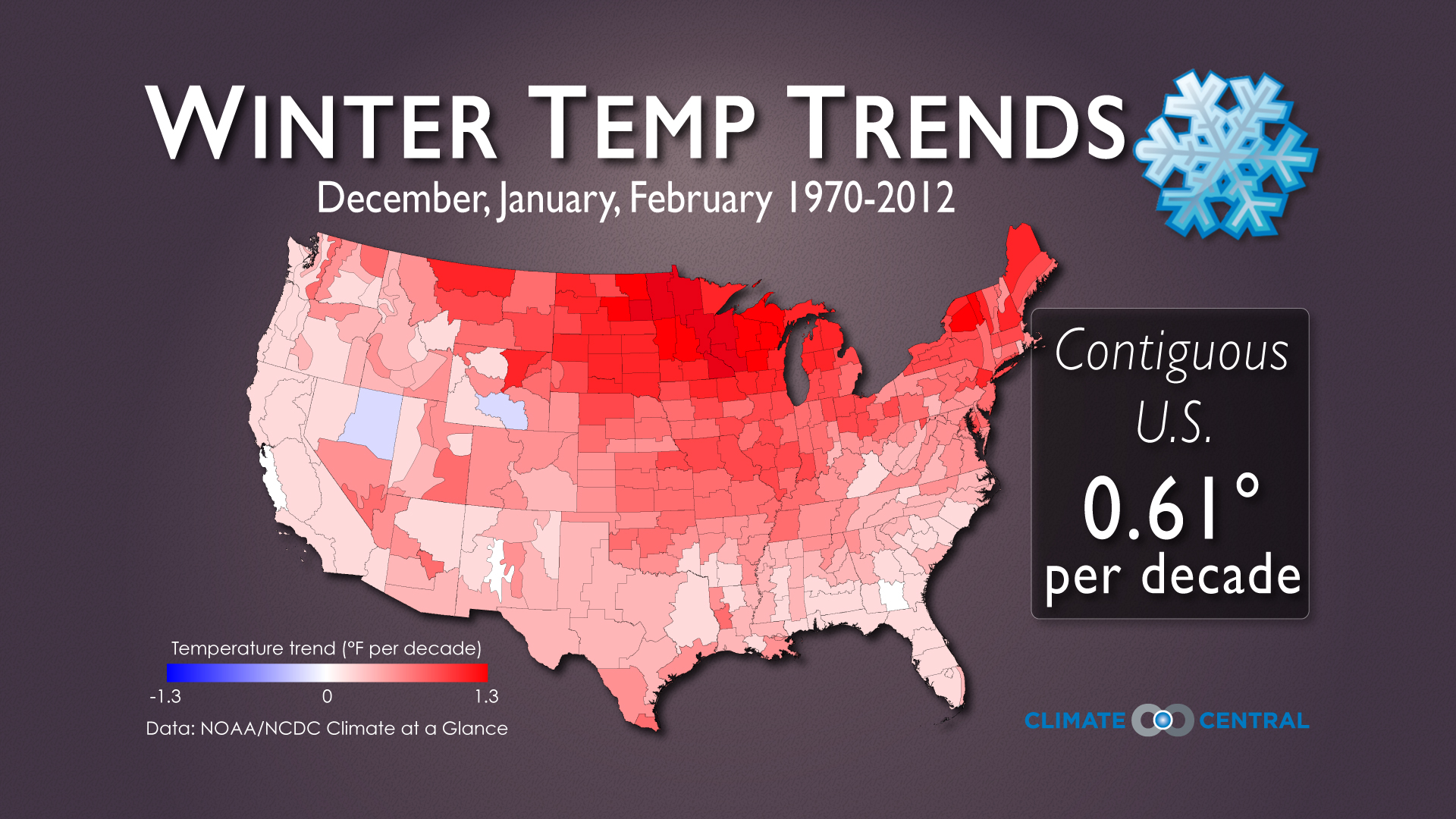
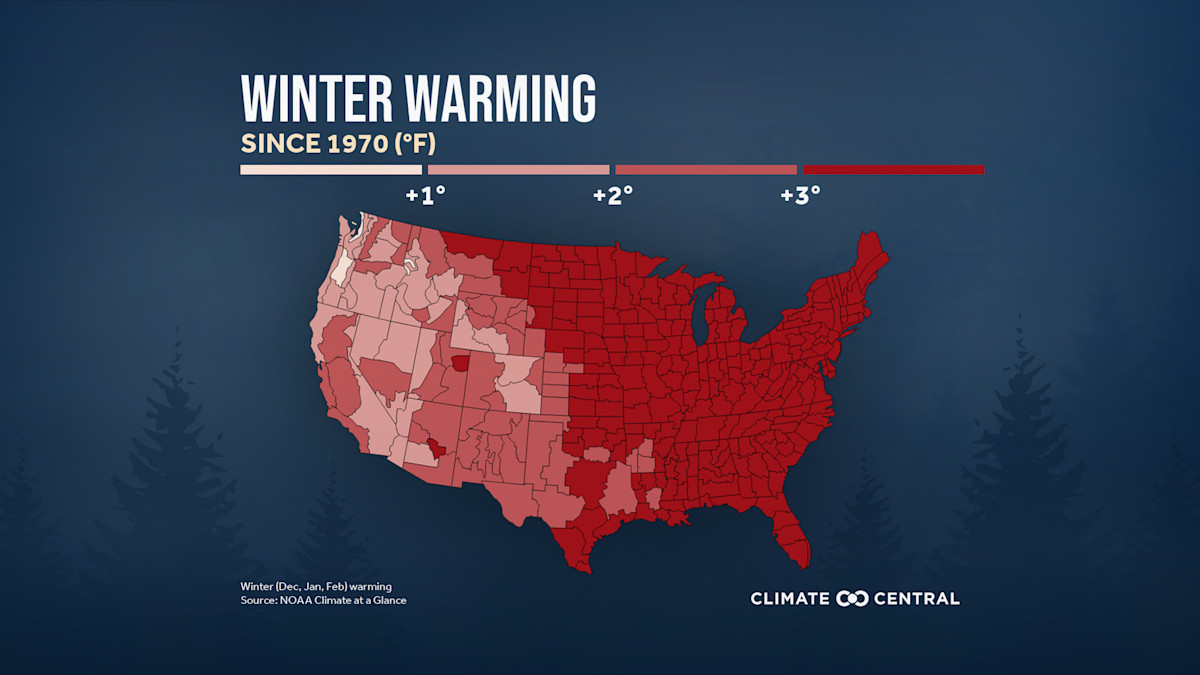
Finally, there's climate change. I know, I know, it's a buzzkill topic, but it's important. Climate change is affecting winter temperatures around the world, leading to milder winters in some areas and more extreme weather events in others. It's a complex issue, but the bottom line is that our planet is warming, and that's having a ripple effect on our winters.
The Takeaway!
So, what’s the average temperature in winter? It depends! It depends on where you are, what elevation you're at, what the ocean currents are doing, and what Mother Nature feels like throwing at us that year. But, generally speaking, expect it to be colder than you want it to be! The best advice is to layer up, embrace the cozy vibes, and stock up on hot chocolate. Winter is coming. (Or, you know, already here.) Might as well enjoy it!