
What Is The Average Temperature In The Summer
Okay, so picture this: I’m grilling burgers last summer (burning them, actually, but let's skip that part), and my phone is practically screaming at me. Notification after notification: “Heat Advisory!” “Excessive Heat Warning!” “Is your deodorant holding up?” (Okay, maybe not that last one, but it felt like it). It got me thinking… what is considered an average summer temperature, anyway? It felt like anything above "barely tolerable" that day.
The thing is, nailing down a single "average" summer temperature is trickier than perfecting my burger-flipping skills (which, as you now know, is saying something). Why? Because it depends entirely on where you are.
Think about it: Death Valley in July is a wee bit different than Seattle in July. One requires industrial-strength sunscreen and a lifetime supply of water, the other… well, maybe a light jacket? 😉
So, What's a General Idea?
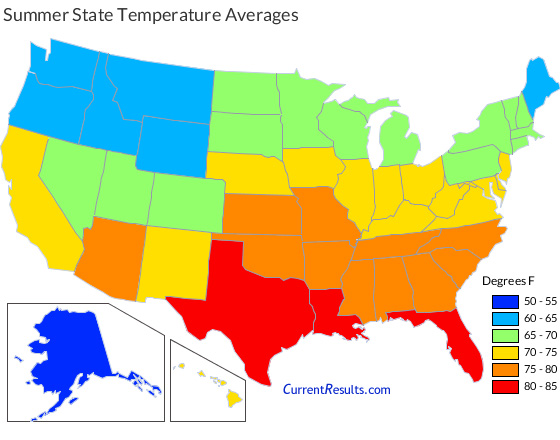
Generally speaking, for many parts of the United States, the average summer temperatures (that's June, July, and August) tend to hover in the range of 70 to 85 degrees Fahrenheit (21 to 29 degrees Celsius). BUT! (Big but here, folks) That's a pretty broad range. It really depends on your location, elevation, and proximity to large bodies of water.
Must Read
For example, states in the Southwest, like Arizona and Nevada, are notorious for scorching summers. Expect average daily highs well into the 100s°F (38°C and above). Yeah, you read that right. Ouch! They even get days exceeding 120°F (49°C).
On the other hand, coastal areas in the Pacific Northwest, like Washington and Oregon, enjoy much milder summers, with average highs often staying in the 70s°F (around 21-26°C). Think pleasant breezes and Instagram-worthy sunsets. Jealous, much?
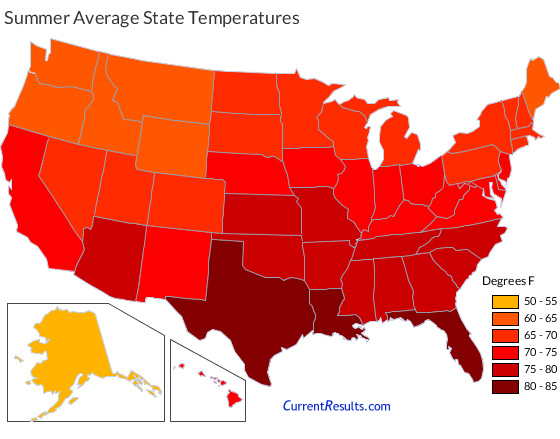
The Midwest and East Coast? Well, they're a bit of a mixed bag. You can get stretches of intense heat and humidity (hello, swampy summer days!) followed by periods of more moderate temperatures. Expect averages somewhere in between the extremes, but be prepared for anything. Seriously, pack both shorts and a light sweater...just in case.
Don't Forget About Nighttime!
Another important factor to consider is the difference between daytime highs and nighttime lows. Even in hot climates, temperatures often drop significantly at night, providing some much-needed relief. Unless you live in, say, a concrete jungle where heat just radiates all night long. In which case... I feel your pain.
The Data Dig
If you really want to know the average summer temperature for your specific area, the best place to look is the National Oceanic and Atmospheric Administration (NOAA) or your local weather service. They keep detailed records of historical temperature data, so you can get a pretty accurate picture of what to expect. Plus, they have nifty charts and graphs. Who doesn't love a good graph, am I right?
Why Does It Even Matter?
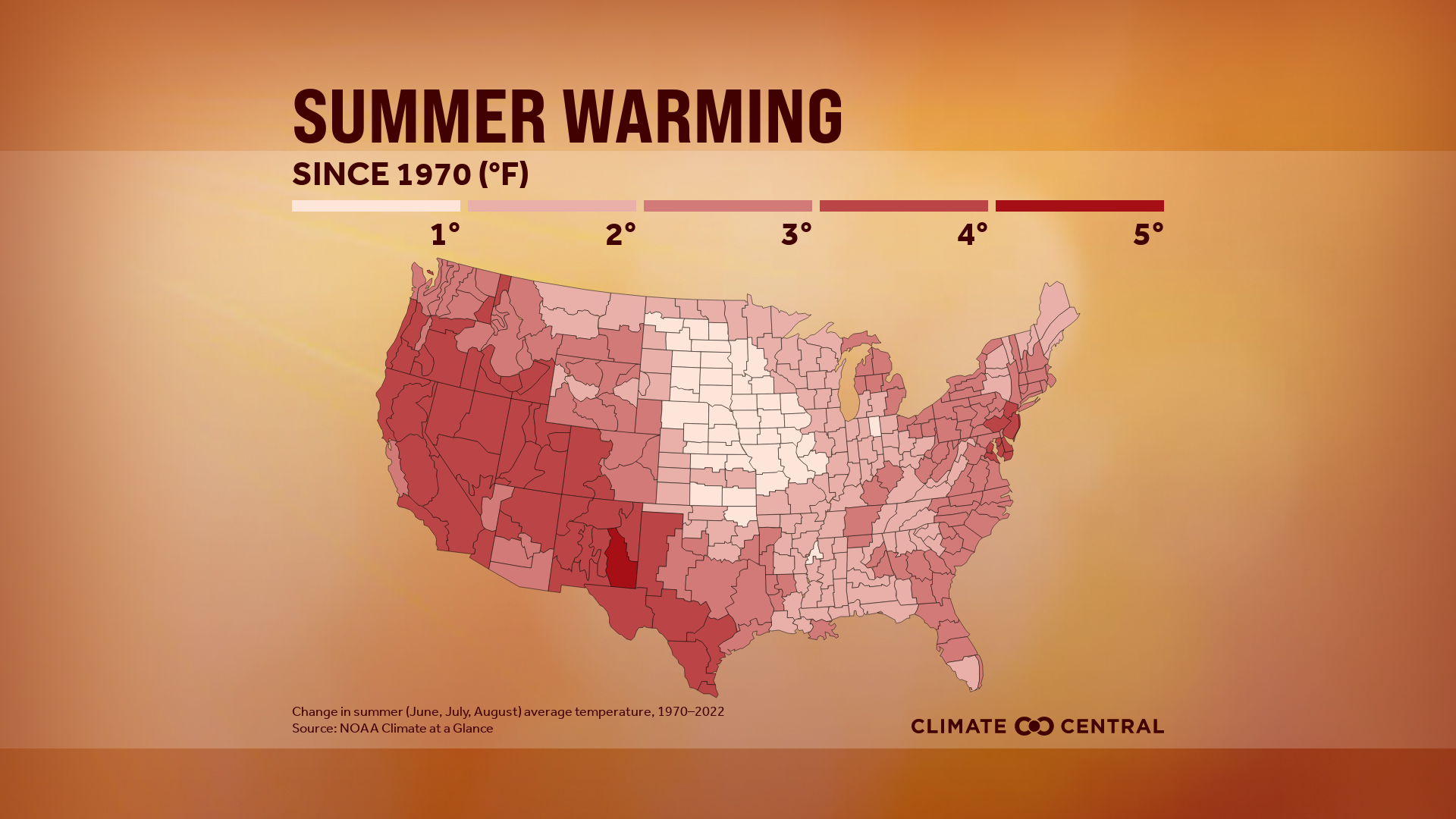
Knowing the average summer temperature is more than just a fun factoid. It helps you plan your wardrobe, your outdoor activities, and even your energy consumption (hello, air conditioning bills!). It's also important for understanding the effects of climate change. As the global temperature rises, our "average" summer temperatures are changing, too. And that has implications for everything from agriculture to public health.
So, there you have it. The average summer temperature is a complex and fascinating topic (okay, maybe "fascinating" is a strong word, but it’s definitely interesting!). Just remember, it all comes down to location, location, location. And maybe a little bit of luck. Now, if you'll excuse me, I'm going to go check the weather forecast...and maybe invest in a burger-flipping class.

