
What Is The Average Price Of Electricity Per Kwh
Ever wonder how much that cozy movie night really costs in electricity? Or maybe you're just curious about the price of powering your daily life. Let's dive into the surprisingly entertaining world of electricity prices per kilowatt-hour (kWh)! Prepare yourself. It's more exciting than you think!
The Great Electricity Price Mystery
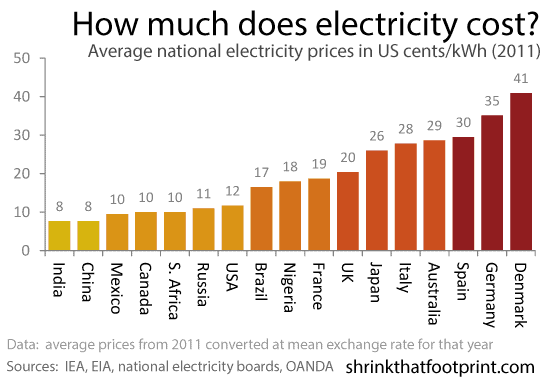
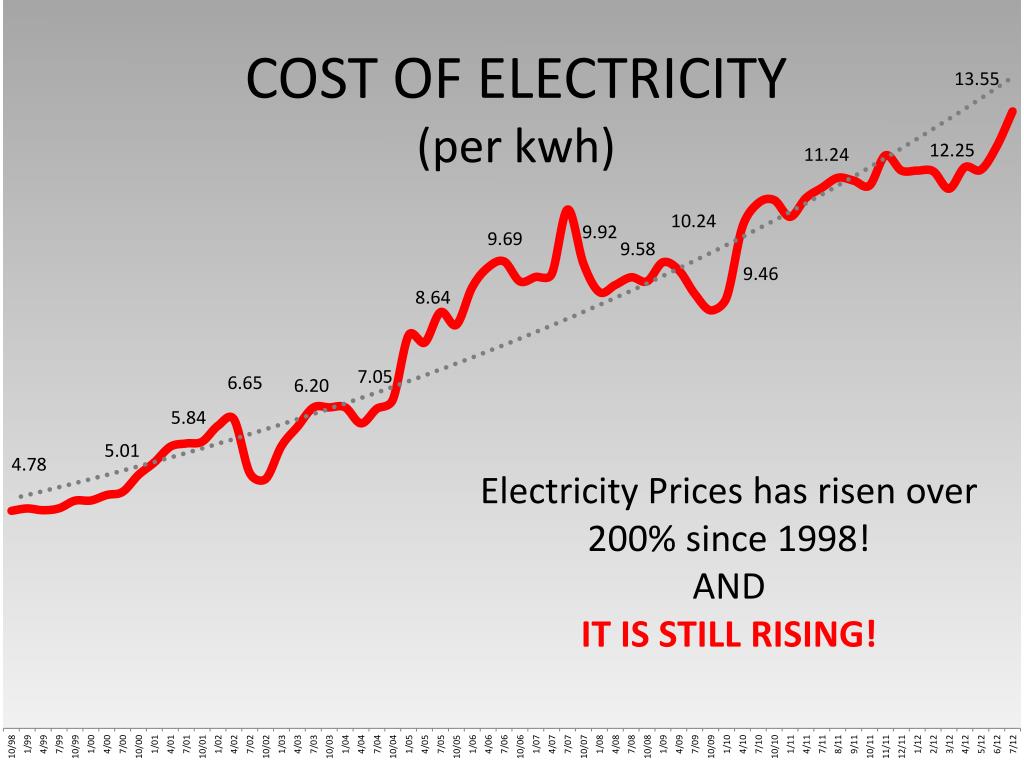
So, what's the average price of electricity per kWh? Buckle up, because the answer is... it depends! I know, I know. Anti-climactic, right? But stick with me. The beauty of electricity pricing is its unpredictability. It's like a thrilling roller coaster, influenced by a whole bunch of factors. But let's throw out a number for now.
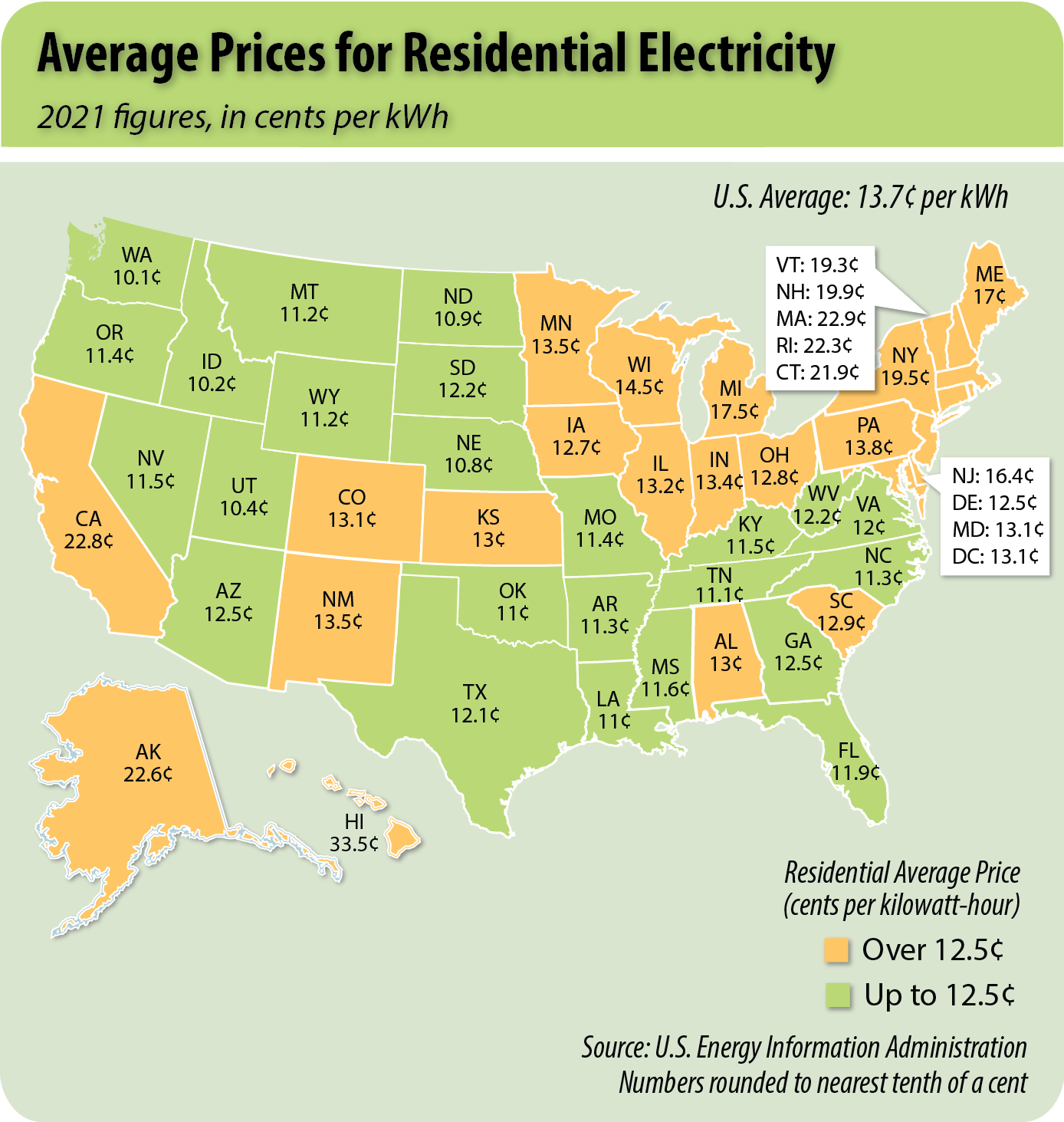
Generally, across the U.S., you might see an average hovering around 15-17 cents per kWh. Think of it like this: for every 1,000 watts you use for an hour, it'll cost you roughly that much. But again, it's just a ballpark. So, why is it so shifty?
Must Read
Location, Location, Location!
One of the biggest players is your location. Living in sunny California? You might pay more than someone in, say, Washington state. Why? Because California relies on a complex energy mix. Plus, demand for electricity is generally high. Some regions have better access to cheaper energy sources. Think hydroelectric power. Others depend more on fossil fuels. This makes a huge difference in the price you pay.
Ever heard someone brag about their cheap electricity in a certain state? Now you know why! It's a geographical lottery.

Time of Use: Electricity's Busiest Hour
Believe it or not, electricity prices can even change depending on the time of day! This is often called "time-of-use" pricing. Using your appliances during peak hours, like when everyone is home from work and blasting the AC, will usually cost you more. Off-peak hours, like late at night, are often cheaper. Smart, huh?
If you’re a night owl, you’re in luck! You can save money by doing laundry or running the dishwasher when everyone else is asleep. Cha-ching!
The Wild West of Electricity Sources
The source of your electricity also plays a role. Areas that rely heavily on renewable energy sources like solar and wind might see price fluctuations based on weather conditions. If the sun isn't shining or the wind isn't blowing, they might need to supplement with more expensive sources, which then affects your bill.
It’s like ordering a fancy cocktail. The more exotic ingredients, the steeper the price!
Why Should You Even Care?
Okay, so knowing the average price per kWh might not seem like the most thrilling information. But understanding it can empower you to make smarter energy choices. Think of it as unlocking a secret level in the game of household budgeting.
By understanding how your electricity usage impacts your bill, you can identify areas to cut back. Maybe you'll finally switch to those energy-efficient light bulbs you've been putting off. Or perhaps you'll start unplugging appliances when they're not in use. Even small changes can add up to big savings!
Where to Find Your Price Per kWh
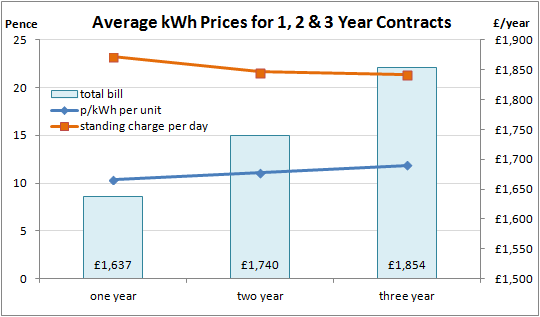
Ready to become an electricity price detective? Your utility bill is your best friend here. It will clearly show you the price you're paying per kWh. You can also check your utility company's website. Many companies are now very transparent about their pricing and offer tools to help you track your energy usage.
Knowledge is power! Especially when it comes to lowering your energy bill.
Beyond the Average
The average price of electricity per kWh is a starting point. Think of it as a compass. The real adventure lies in understanding your specific electricity consumption and how to optimize it. So, go forth, explore your energy bill, and become a master of your own power usage! Who knows? You might even find it…dare I say…entertaining?
So, while the average electricity price gives us a general idea, remember to look at your bill to check the price for the location where you are. Checking your bill can help you to determine how much electricity you are consuming. Electricity pricing is a complex topic so ensure that you do your own research to understand it better.