What Is The Average Kwh Usage Per Month In Texas
Ever wondered how your electricity bill stacks up against your neighbor's? Or maybe you're just curious about how much juice Texas homes typically guzzle each month? Understanding the average kWh (kilowatt-hour) usage in Texas isn't just about satisfying curiosity; it's about empowerment and potentially saving some serious cash.
Think of it this way: Knowing the average kWh usage is like knowing the average gas mileage for cars. It gives you a benchmark. It helps you understand if you're a gas-guzzler (energy hog) or a more fuel-efficient (energy-conscious) household. This knowledge is incredibly valuable for budgeting, identifying potential energy waste, and making informed decisions about appliances and energy consumption habits. The purpose is simple: to give you a realistic perspective on your own energy footprint.
The benefits extend beyond just your wallet. By understanding average energy usage, you can contribute to a more sustainable lifestyle. Lowering your energy consumption reduces your carbon footprint and helps conserve precious resources. So, knowing the average is good for you, and good for the planet!
Must Read
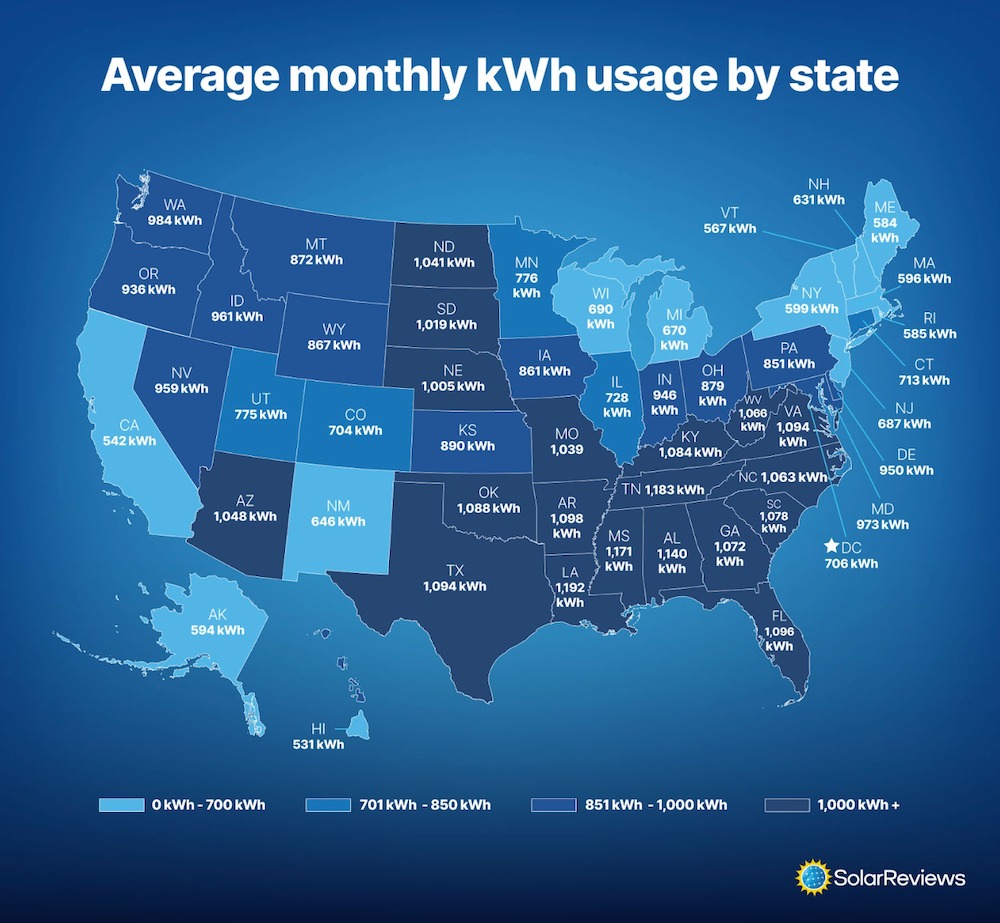
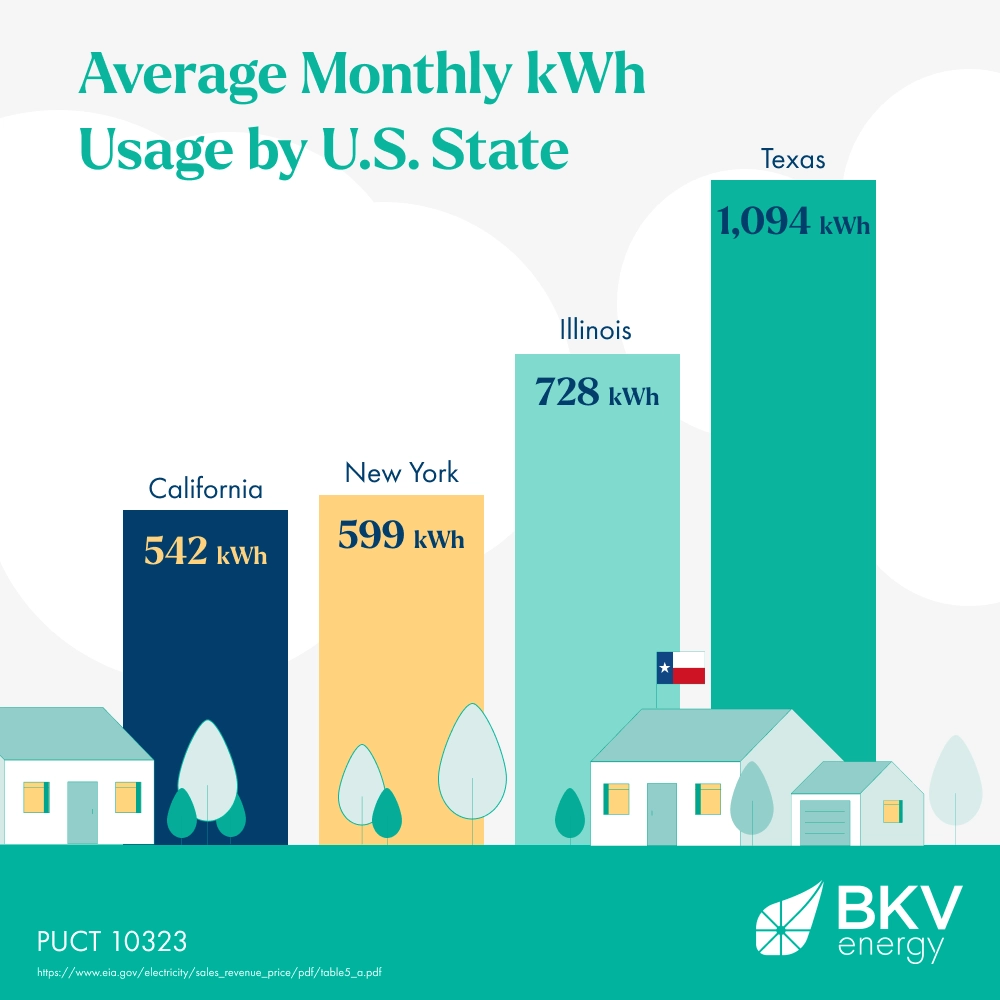
So, what is the average? Well, it varies depending on the time of year. Texas summers are notorious for scorching temperatures, which means air conditioners are working overtime. During peak summer months (June-August), the average Texas household can use anywhere from 1,200 to 1,600 kWh per month. The rest of the year, that number drops significantly, often hovering around 800 to 1,000 kWh per month. It's important to remember these are averages, and your actual usage will depend on factors like the size of your home, the efficiency of your appliances, and your personal habits.
How can this information be used in daily life and even in education? Imagine teaching students about climate change and resource conservation. Understanding energy usage and its impact is a critical part of that lesson. Students can analyze their own household energy bills (with parental permission, of course!) and compare their usage to the Texas average. This exercise can spark conversations about energy efficiency and inspire them to adopt more sustainable practices.

In daily life, understanding the average can prompt you to investigate unusual spikes in your energy bill. Did you leave the lights on all day? Is your AC running constantly? Are your appliances old and inefficient? Identifying these potential culprits can lead to simple fixes that save you money. For example, switching to LED light bulbs, unplugging electronics when not in use, and adjusting your thermostat a few degrees can all make a noticeable difference.
Want to explore your own energy usage and compare it to the average? Here are a few simple ways: First, review your past electricity bills. Most energy providers offer online portals where you can track your usage month by month. Next, check out online energy calculators. Many websites allow you to estimate your energy consumption based on your appliances and habits. Finally, consider conducting an energy audit of your home. You can often find resources and even rebates for energy audits through your local utility company. By taking these steps, you can gain a deeper understanding of your energy footprint and take control of your electricity bill. So, go ahead, explore! You might be surprised by what you discover, and you might even save a little green in the process.