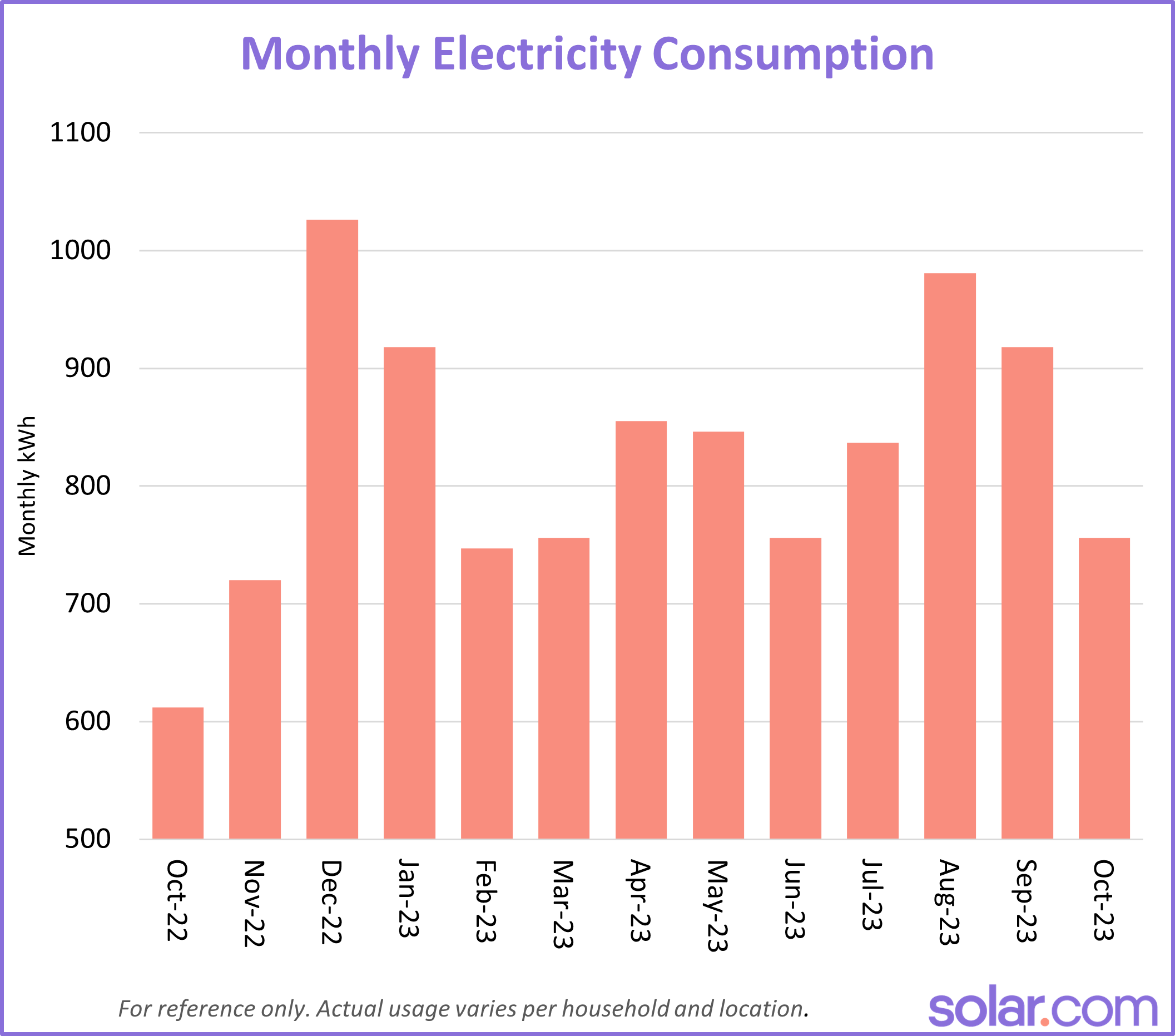
What Is The Average Cost Of Electricity Per Month

Okay, picture this: I'm sitting on my couch, basking in the glorious glow of Netflix (binge-watching is a lifestyle, not a choice, right?), when I get a notification from my bank. My electricity bill just landed. I swear, my heart skipped a beat. It felt like a horror movie jump scare! It made me think, "Am I running a small data center in my living room? Just how much are people spending on electricity these days?!"
So, naturally, being the internet sleuth I am, I decided to dive into the murky world of average electricity costs. Let's get to the bottom of this, shall we? Prepare to be enlightened (or maybe slightly depressed, depending on your current bill!).
The Big Question: What's the Average Cost?
Alright, let's cut to the chase. The national average electricity cost per month is, drumroll please... around $175. But hold on! Don't go comparing yourself just yet. That's just a national figure, and it's about as useful as a screen door on a submarine if you don't consider all the factors involved. (Seriously, who even needs a screen door on a submarine?)
Must Read
Think of it like this: that number is like the average height of people in the world. It tells you something, but it doesn't tell you anything specific about your height, right?
Factors That Power Your Bill (and Your Wallet's Pain)
So, what does influence your electricity bill? Glad you asked! Here's a breakdown of the usual suspects:
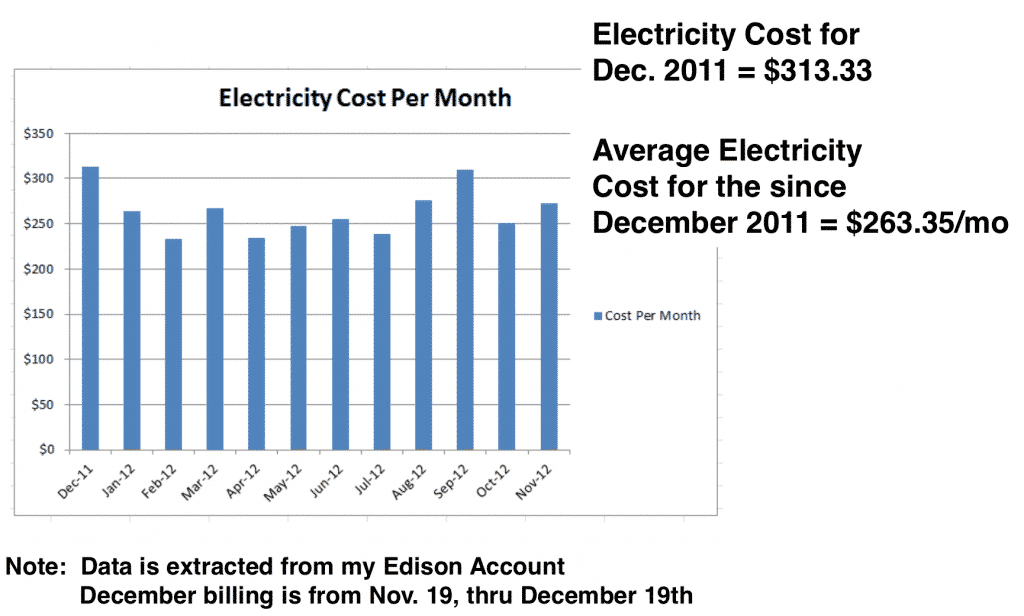
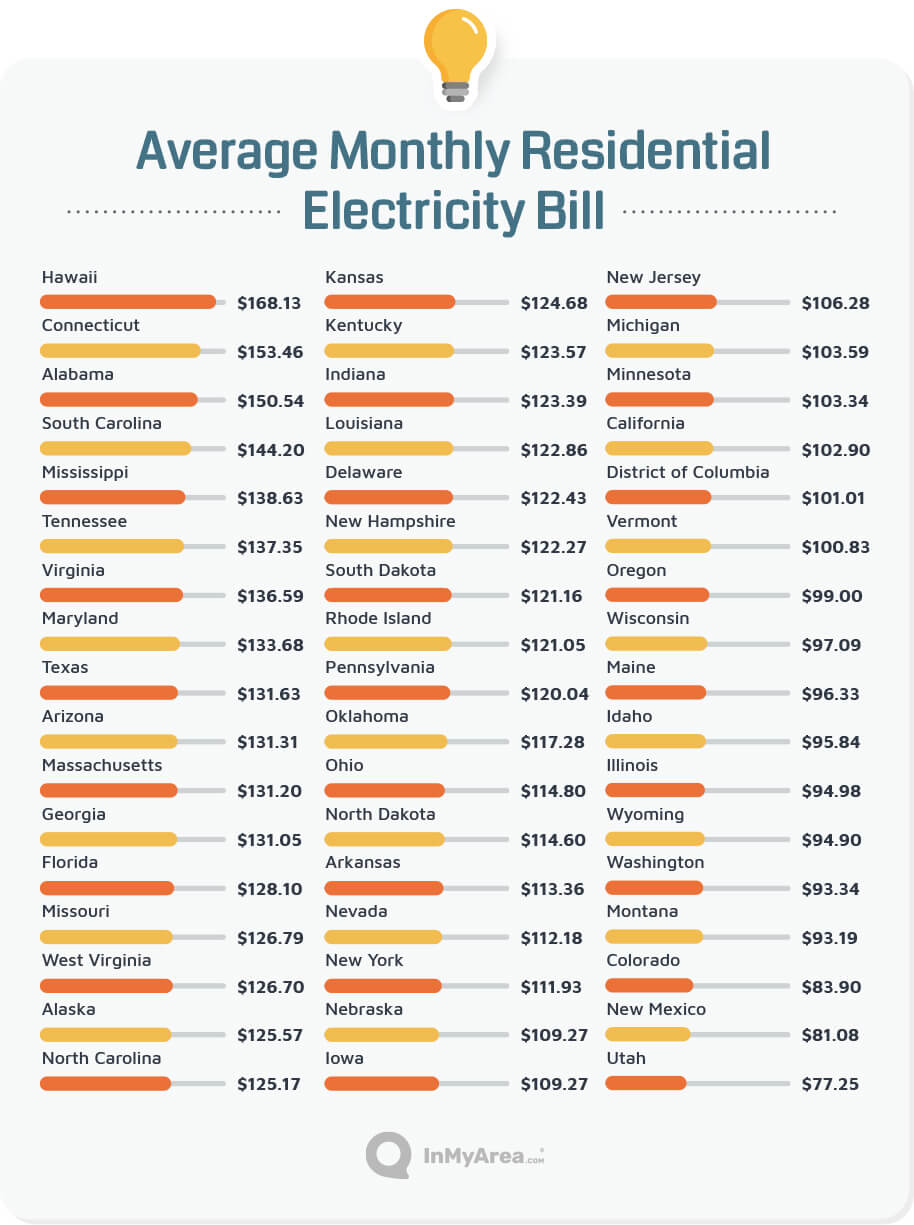
- Location, Location, Location: This is HUGE. States with scorching summers or freezing winters tend to have higher electricity bills. Air conditioning and heating are energy vampires, sucking your wallet dry. Think Arizona versus, say, Oregon. Big difference!
Side note: If you live in a place where you need to wear a parka indoors, it might be time to consider moving. Or at least investing in some serious insulation.
- Home Size: The bigger the house, the more space you need to heat or cool. It's simple math, really. More square footage equals more electricity consumption.
- Appliance Usage: That old fridge from the 70s? Yeah, it's probably costing you a fortune. Energy-efficient appliances are a game-changer. Also, think about how often you run the dishwasher, washing machine, and dryer.
Tip: Unplug devices when you're not using them! Phantom energy drain is a real thing. It's like tiny little vampires, slowly draining your energy and your money!
- Lifestyle: Are you a homebody who's constantly using electronics, or are you out and about most of the day? How often do you cook? All these lifestyle choices add up.
- Electricity Rates: This varies widely depending on your provider and your area. Some areas have lower rates due to access to cheaper energy sources (like hydroelectric power).
Digging Deeper: State-by-State Breakdown
Want to get a more accurate picture? You'll need to look at state-specific data. You can usually find this information on websites like the U.S. Energy Information Administration (EIA). They have tons of statistics and charts that'll make your head spin (in a good way, hopefully!).
Here's a sneak peek at some common trends:
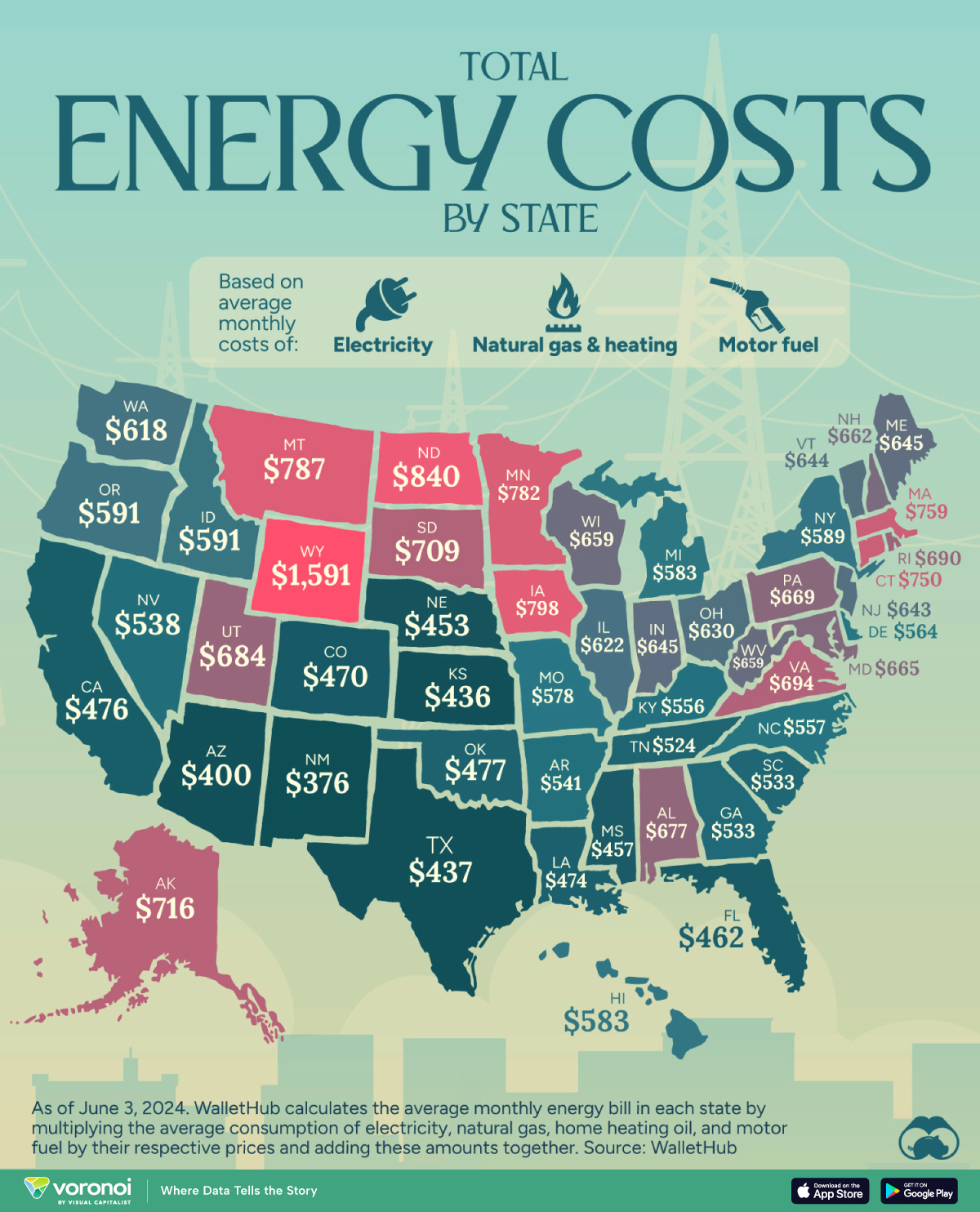
- States in the South generally have higher electricity consumption due to the need for air conditioning.
- States in the Northeast tend to have higher electricity rates.
- States with abundant renewable energy sources (like Washington) may have lower overall costs.
So, What Can You Do About It?
Feeling like your electricity bill is a runaway train? Don't despair! There are things you can do to reign it in:
- Energy Audit: Have a professional energy audit done on your home. They can identify areas where you're losing energy and recommend solutions.
- Switch to LED Bulbs: This is a no-brainer. LEDs are far more efficient than incandescent bulbs.
- Adjust Your Thermostat: Even a few degrees can make a difference. Consider using a programmable thermostat to automatically adjust the temperature when you're away.
- Unplug Unused Electronics: We mentioned this before, but it's worth repeating.
- Compare Electricity Rates: Shop around for the best rates in your area. You might be surprised at how much you can save.
Final thought: Managing your electricity consumption is a marathon, not a sprint. Small changes over time can add up to big savings! Now, if you'll excuse me, I'm going to go unplug my toaster... just in case.