
What Is The Atomic Mass For Tin
Alright, settle in! We’re about to dive into something that sounds super serious but is actually packed with giggles and "whoa!" moments. We're talking about an element. A metal, even. And its weight. Specifically, we’re peeking behind the curtain at Tin.
You know Tin, right? It’s in solder, it keeps your canned beans safe, and it even makes those cool bronze statues possible. But have you ever stopped to think about how much a single atom of Tin actually weighs? Sounds like a crazy question, I know!
The Big Reveal: Tin's Atomic Mass!
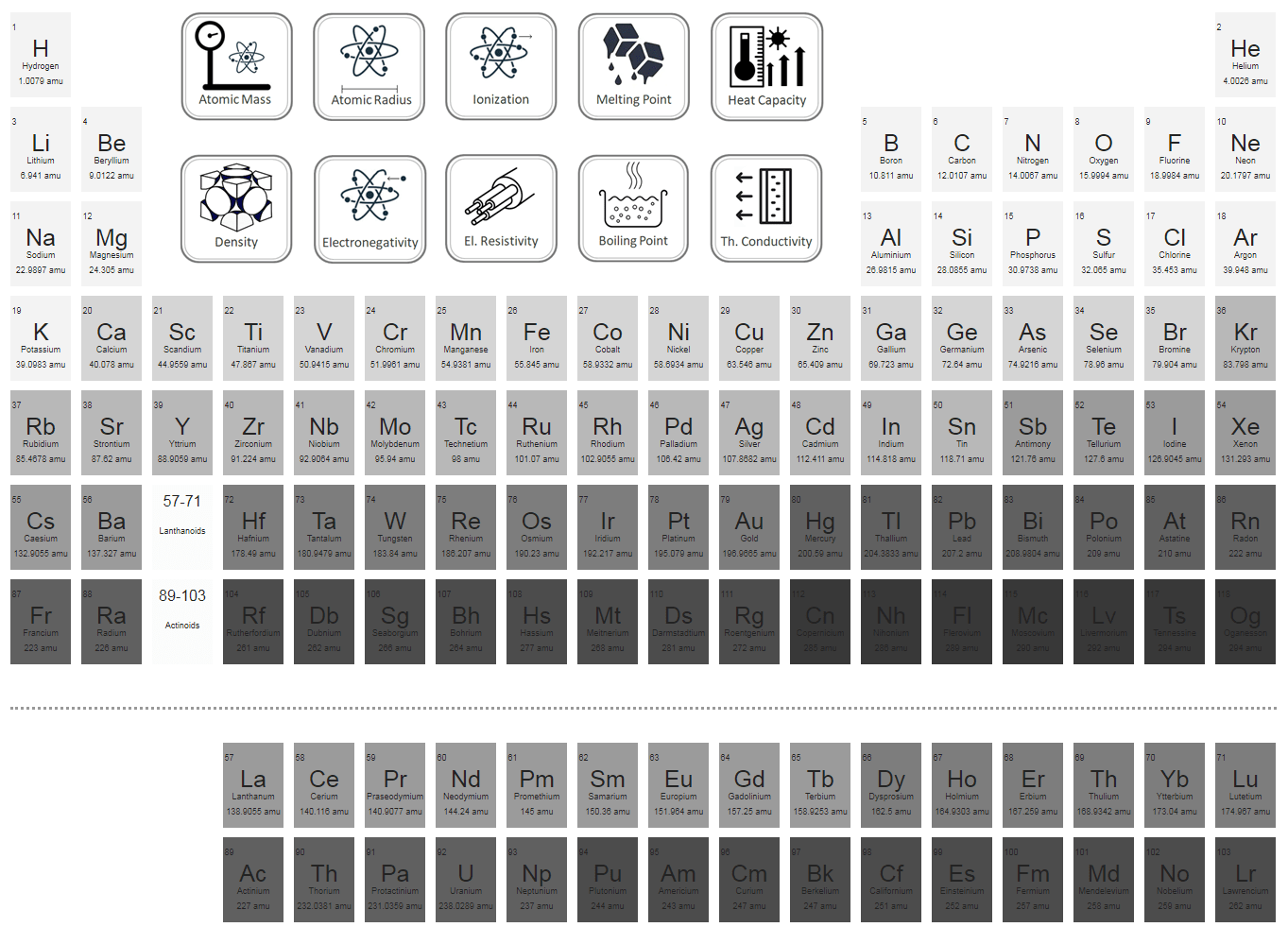
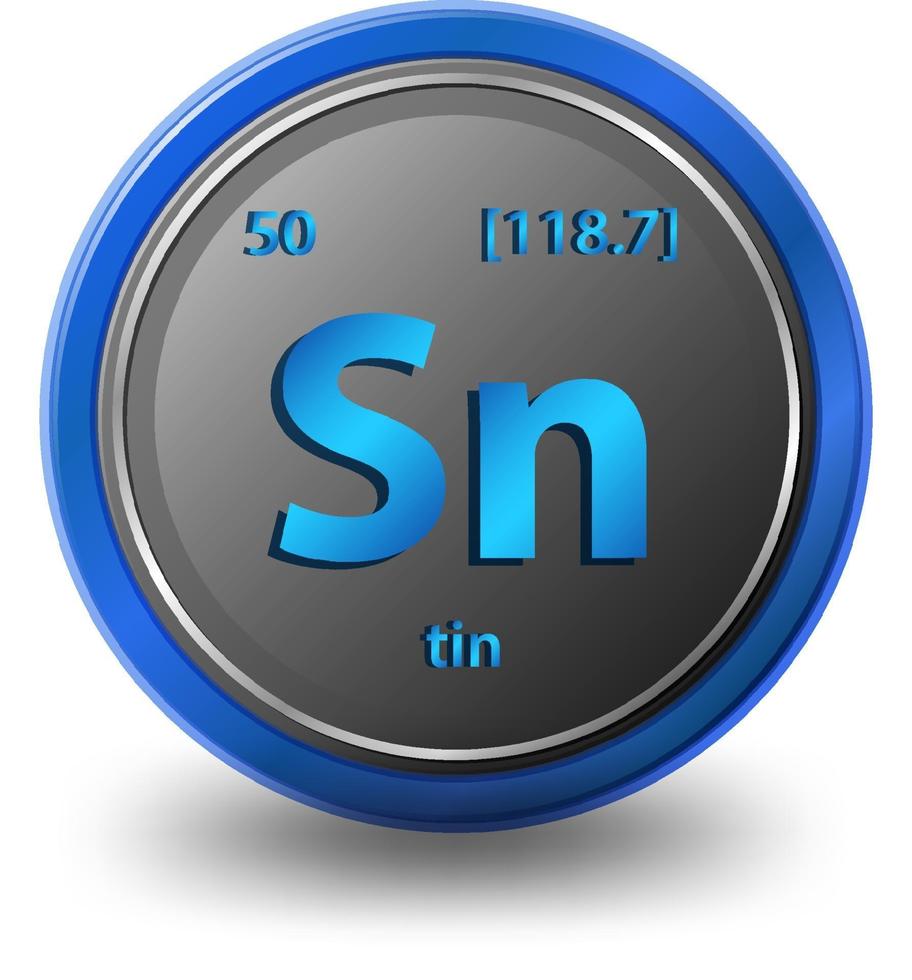
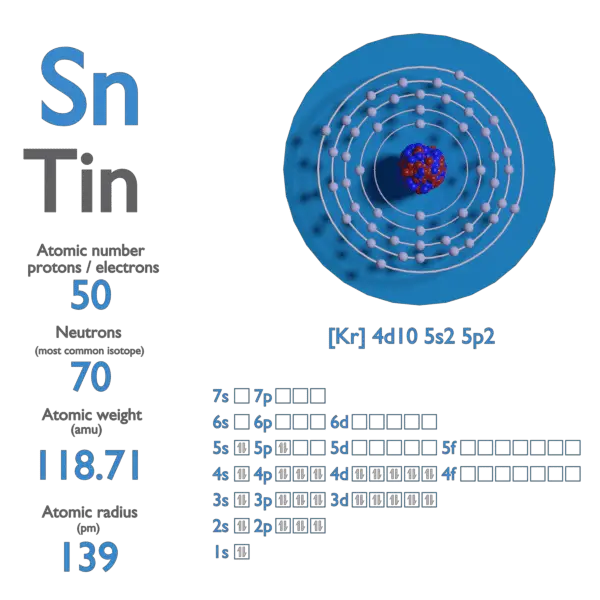
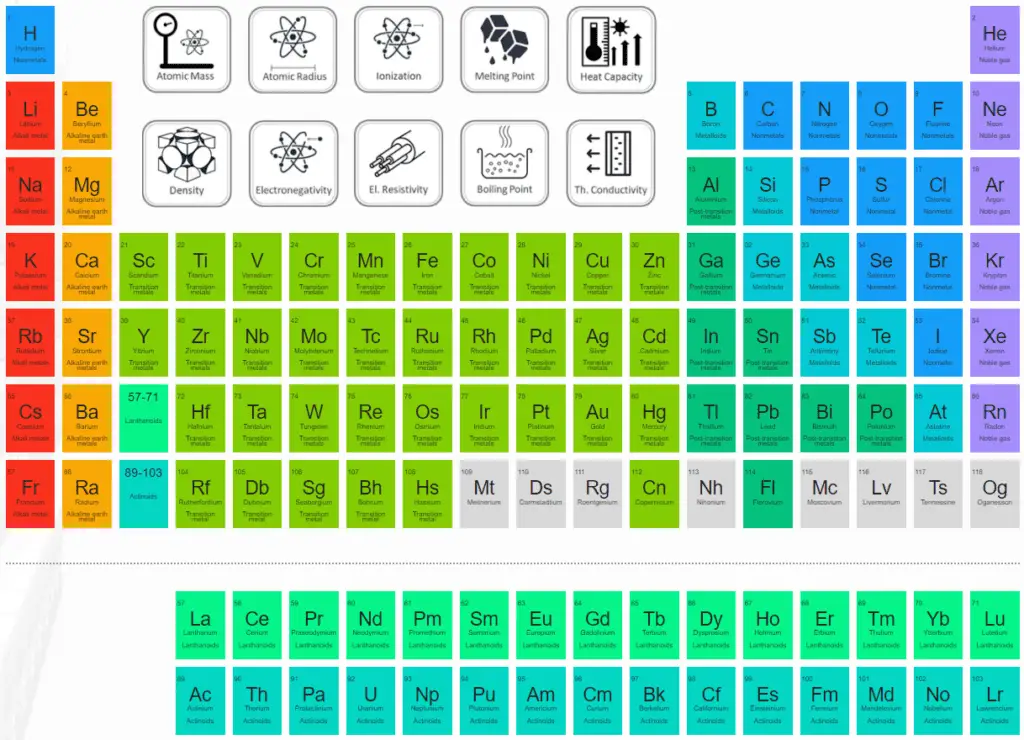
Drumroll, please! The atomic mass for Tin, our buddy with the symbol Sn (from the Latin "stannum," fancy!), is approximately 118.71 atomic mass units. Or "u" for short, because who wants to say "atomic mass units" all the time? That's it! That's the number. Pretty neat, huh?
Must Read
Now, you might be thinking, "118.71? Why isn't it a nice, round number like 118 or 119?" Ah, my friend, that’s where the fun really begins! It’s because atoms are like people: they come in different versions.
Meet the Isotope Family Reunion!
Imagine Tin atoms throwing a giant family reunion. Most of them are pretty similar, but some have a few extra "chins" (neutrons, in atom-speak) making them a tiny bit heavier. These different versions are called isotopes. And Tin? Oh, Tin is the absolute life of the party when it comes to isotopes!
Get this: Tin has more stable isotopes than any other element on the periodic table. Seriously! It’s like the social butterfly of the atomic world, rocking out with ten different stable versions. Ten! That’s a lot of different cousins hanging out together.
So, when we say "118.71 u," we’re actually talking about a weighted average of all those different Tin isotopes found naturally on Earth. It's like calculating the average weight of all the people at the family reunion, where some are bigger, and some are smaller, and you factor in how many of each size there are. Makes sense now, right? It’s not just one atom; it’s the whole crew!
Why Does This Even Matter? (Spoiler: It's Kinda Cool!)
You might be thinking, "Okay, cool, a number. So what?" But understanding atomic mass is fundamental! It's like knowing how much a brick weighs when you're building a house. Chemists and physicists use these numbers to figure out how elements will react, how much of one thing they need to combine with another, and even to discover what stars are made of! It’s the bedrock of our understanding of the material world.
Plus, knowing about isotopes helps us appreciate Tin’s unique properties. These subtle weight differences can influence everything from how strong a material is to how it conducts electricity. It’s atomic individuality at its finest!
Quirky Tin Facts That Will Blow Your Mind!
Since we’re having fun with Tin, let's spill some more tea on this fascinating element!
The "Tin Cry" – No, Really!
Bend a bar of Tin, especially pure Tin, near your ear, and you might hear a faint, high-pitched creaking sound. That's the "tin cry"! It’s caused by the friction of its crystal structure deforming. It’s like the metal itself is whispering secrets to you. Spooky cool!
Tin Pest: The Metal That Crumbles!
Picture this: it’s super cold, and suddenly your solid Tin object starts turning into a crumbly powder. Welcome to "tin pest" or "tin disease"! Below 13.2°C (about 56°F), white Tin (the normal, shiny kind) can transform into gray Tin, a brittle, non-metallic allotrope. This change causes it to expand and literally fall apart! Legend says it may have contributed to Napoleon's army struggling in the Russian winter, their Tin uniform buttons crumbling right off. Talk about a wardrobe malfunction!
Ancient Awesome: The Bronze Age!
Tin might seem ordinary now, but it was a superstar in ancient times. Mixed with copper, it makes bronze – a metal so important it named an entire historical period: the Bronze Age! Without Tin, we might have skipped straight to the Iron Age. So next time you see a bronze statue, give a little nod to Tin for its ancient contributions.
The "Tin" Can Lie!
Those "tin cans" in your pantry? Most of them are actually made of steel! They just have a super-thin coating of Tin to prevent corrosion. Tin is a great protector, a tiny superhero against rust! So, it’s less a "tin can" and more a "steel can wearing a fabulous Tin jacket."
Wrapping Up Our Atomic Adventure!
So there you have it! The atomic mass of Tin, 118.71 u, isn't just a random number. It's a beautiful reflection of Tin's diverse family of isotopes, making it a truly unique and fascinating element. From its quirky "cry" to its crumbling "pest" phase and its ancient history, Tin is full of surprises.
Next time you see something made of Tin, or even just a shiny can, you’ll know there’s a whole lot of atomic personality packed inside. It’s a reminder that even the tiniest things can hold the biggest stories. Keep being curious, my friend! The universe is full of tiny wonders.