
What Is Texas Income Tax Rate
Ever wonder about the financial landscape of the Lone Star State? Maybe you're dreaming of a move, or just curious about what makes Texas tick financially. One of the most common questions, and often a pleasant surprise for many, revolves around income tax. So, let’s saddle up and ride through the answer to "What is Texas income tax rate?" with a friendly, easy-going vibe.
Here’s the deal, straight from the horse's mouth: When it comes to state income tax, Texas has a beautifully simple answer. It’s a big, fat, glorious zero percent. That’s right, folks. Texas is one of a handful of states that does not impose a state income tax on its residents. Cue the celebratory "Yeehaw!"
No State Income Tax: What Does That Mean For You?
This isn't a drill. It means that the income you earn from your job, your side hustle, or your small business in Texas isn't subject to a separate state-level tax. When you look at your paycheck, you won’t see a line item for "Texas State Income Tax" because it simply doesn't exist.
Must Read
This is a pretty big deal, especially for those moving from states with high income tax rates. Imagine getting a little more jingle in your pocket from each paycheck! For many, this makes Texas an incredibly attractive place to live and work. It's part of that independent spirit you hear so much about here.
But Wait, There's More (Always Is, Right?)
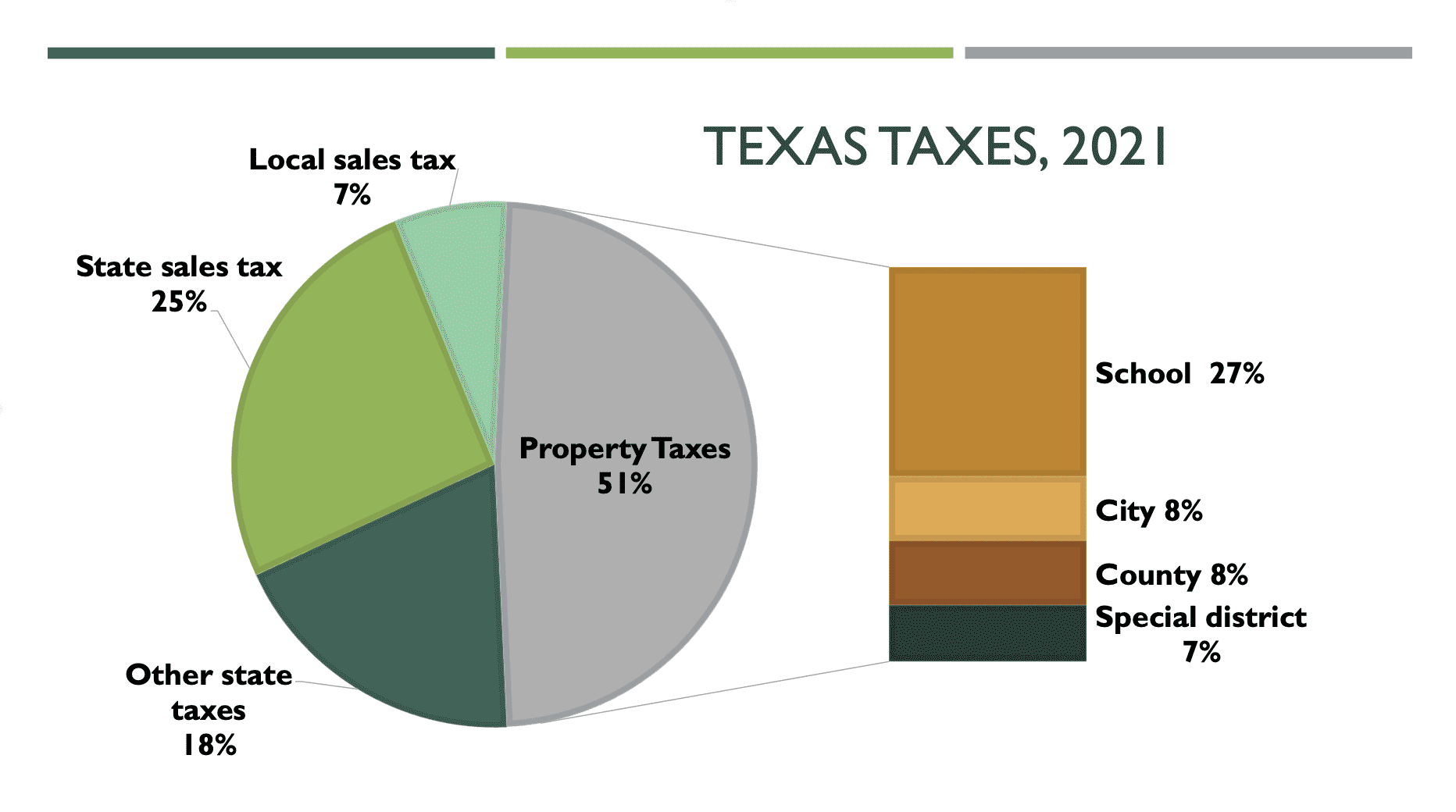
Now, before you start picturing endless fields of bluebonnets and tax-free bliss, it’s important to remember a few things. While Texas skips the state income tax, it's not a tax-free paradise. The state has to fund its roads, schools, and services somehow, and they do it through other avenues.
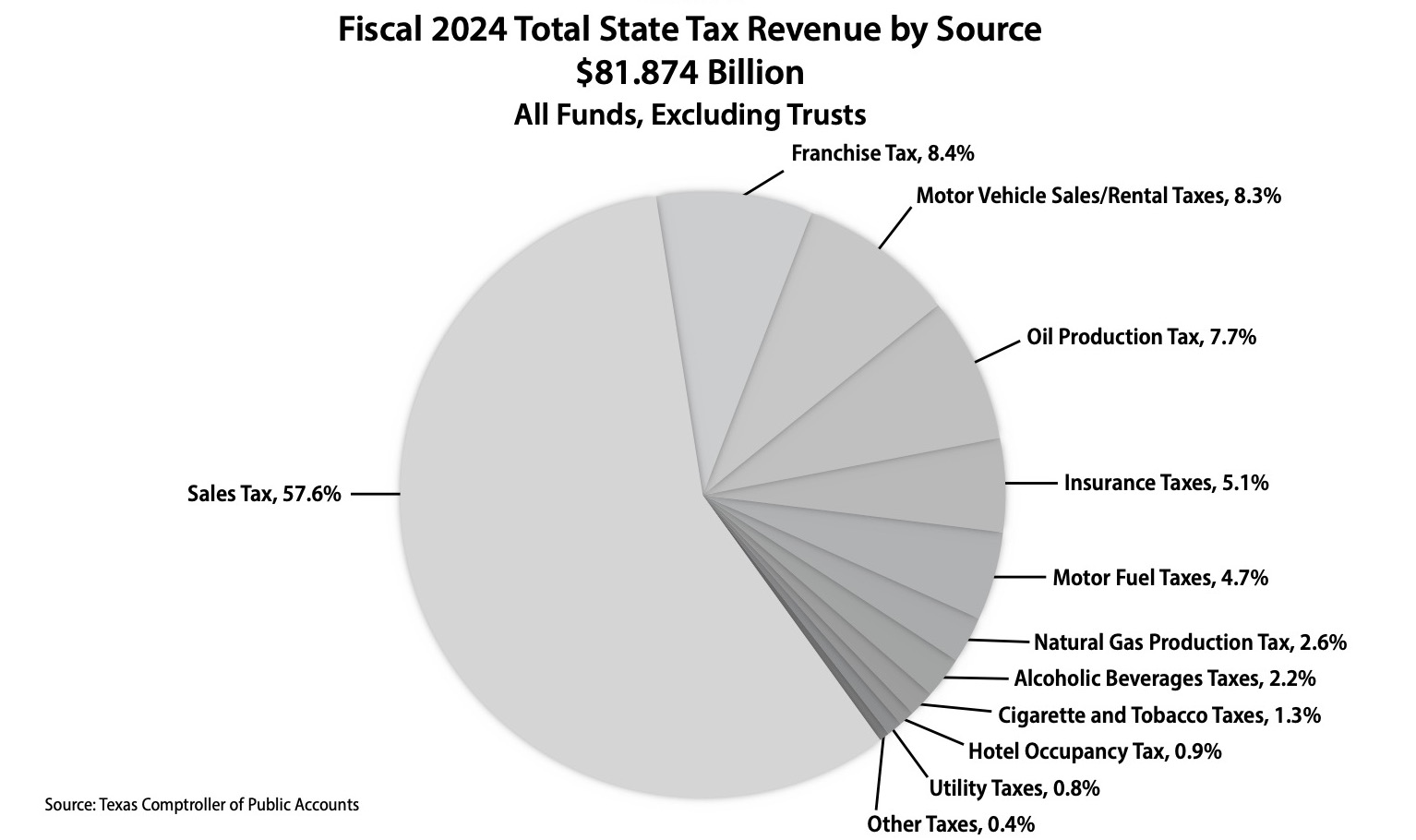
The primary ways Texas generates revenue are through property taxes and sales taxes. So, while your income is safe from state taxation, prepare for these other taxes to play a more prominent role in your budget.
Practical Tip: If you're considering a move to Texas, or just curious, always factor in the local property tax rates (which can vary significantly by county and city) and the state's sales tax. Texas has a state sales tax rate of 6.25%, but local jurisdictions can add up to 2% more, bringing the combined rate to a potential 8.25% in many areas. That's a little higher than some states, so keep it in mind when you're buying that new pickup truck or a pair of cowboy boots.

Still Paying Federal Taxes, Of Course!
This might seem obvious, but it's worth a quick mention: you still pay federal income tax. Uncle Sam isn't letting anyone off the hook, regardless of which state you call home. So, while your state tax burden on income is nil, you'll still be filing your federal income tax return and paying your share to the IRS.
Fun Fact: Texas isn't alone in this club! Other states like Florida, Nevada, Washington, and Wyoming also boast no state income tax. It's a club of economic freedom, you might say!
The Texas Spirit and Your Wallet
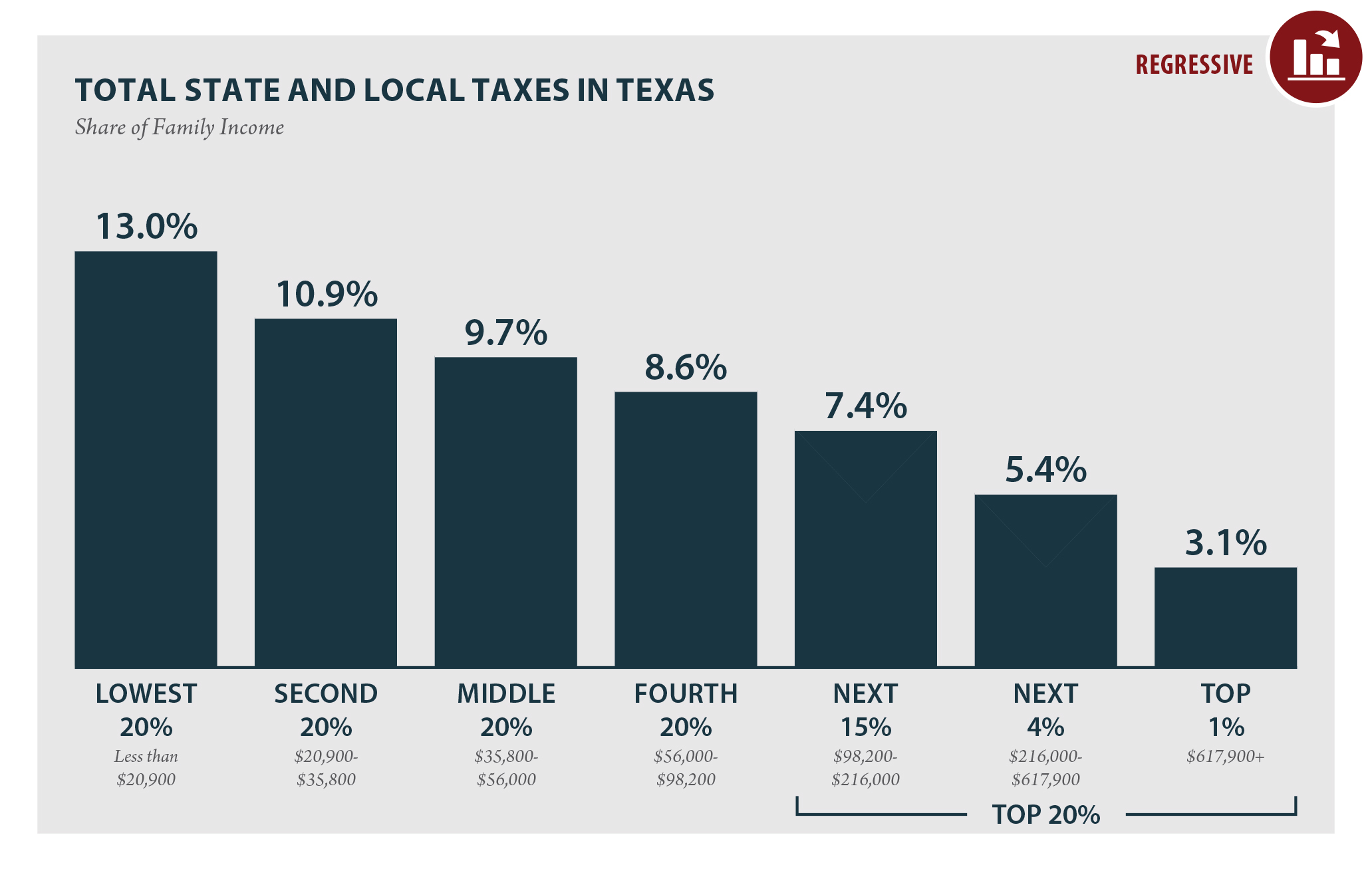
The absence of a state income tax often reflects a broader philosophical approach to government and economy in Texas. It's about empowering individuals and businesses, believing that money is best spent and invested by those who earn it. This can lead to a vibrant economy and a strong sense of personal financial control.
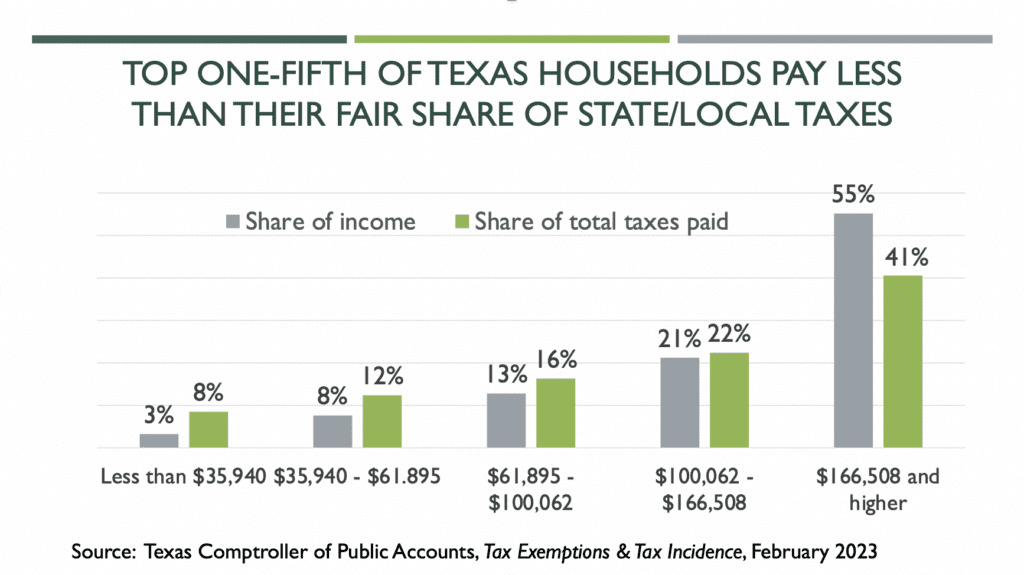
However, it also means that the responsibility for smart budgeting and financial planning falls squarely on your shoulders. With potentially higher property taxes, knowing your budget and what you can afford for a home is absolutely crucial here. Don't let the lack of state income tax make you complacent about your other financial commitments.
Another Tip: Explore property tax exemptions if you're a homeowner! Texas offers various exemptions, like the homestead exemption, which can significantly reduce the taxable value of your primary residence, helping to soften the blow of property taxes.
A Little Reflection
So, there you have it. The answer to "What is Texas income tax rate?" is a refreshing zero percent. It’s a unique aspect of living and working in the Lone Star State that offers a distinct financial advantage. But like everything in life, it comes with a trade-off. While your income is free from state-level scrutiny, your property and purchases bear a bit more of the tax burden.
In the grand tapestry of daily life, understanding these financial nuances helps us make smarter choices, whether it's where to live, how to save, or how to budget for that next big adventure. It's about enjoying the freedoms and benefits unique to Texas while being a savvy, prepared individual. And isn't that what living well is all about?