
What Is Submerged Arc Welding

Alright, let’s be honest. When you hear the word “welding,” what pops into your head? Probably sparks flying, a super cool person in a big helmet, and maybe some dramatic sizzling noises. Right? It’s all very exciting, very flashy. But what if I told you there’s a welding process out there that’s the complete opposite? It’s the quiet achiever, the introverted genius, the one doing incredible, massive work without all the unnecessary fuss. It’s called Submerged Arc Welding, or SAW for short, and frankly, it’s not getting enough credit.
It's Like Welding's Secret Spa Day
Imagine a welding process that prefers to work under a cozy blanket. No blinding flashes, no dramatic light show. Just a gentle hum and some serious metal magic happening behind the scenes. That’s pretty much the core idea of Submerged Arc Welding. While other welding methods are out there showing off, SAW is just chilling, getting the job done efficiently and beautifully.
My slightly controversial opinion?
SAW is the most zen welding process out there. It’s all about calm, controlled power.
Must Read
The "Submerged" Part: A Mystery Solved (Kind Of)
So, what does “submerged” actually mean? It’s not underwater welding, so let's get that out of the way. Think of it like this: instead of the welding arc (that super bright electric spark that melts the metal) being out in the open air, it’s actually buried. Buried under what, you ask? A big pile of special granular material called flux.
Picture tiny, sand-like pebbles covering the spot where the welding wire meets the metal. As the welding machine moves along, an electric current jumps from a continuously fed wire into the workpiece, creating an arc. But crucially, this arc is totally hidden beneath that protective layer of flux. It’s like the welding is happening in its own private, miniature, underground bunker.
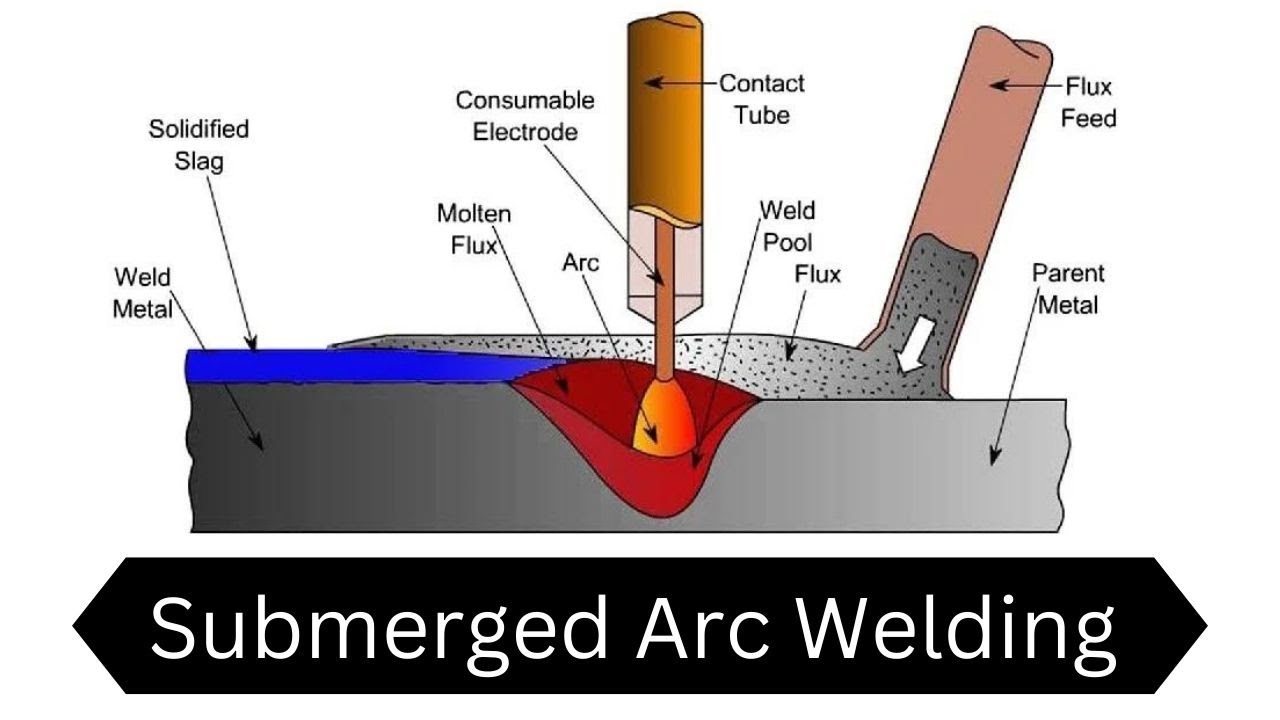
The flux isn’t just for looks, though. Oh no. It melts along with the wire and the base metal, shielding the molten weld pool from all those pesky contaminants in the air – things like oxygen and nitrogen that can weaken a weld. Once everything cools down, the melted flux solidifies into a glass-like crust called slag. This slag is usually pretty easy to chip or peel off, revealing a super clean, smooth, and strong weld underneath. It’s like unwrapping a really robust, perfectly formed present.
Why It's My Secret Favorite (and yours too, probably)
Here’s where my “unpopular opinion” really kicks in. Because the arc is hidden, the welder doesn’t need to wear a typical welding helmet to protect their eyes from intense light during the actual arc process. They're more like operators, guiding the machine. This allows for high deposition rates, meaning it can lay down a lot of weld metal very, very quickly.
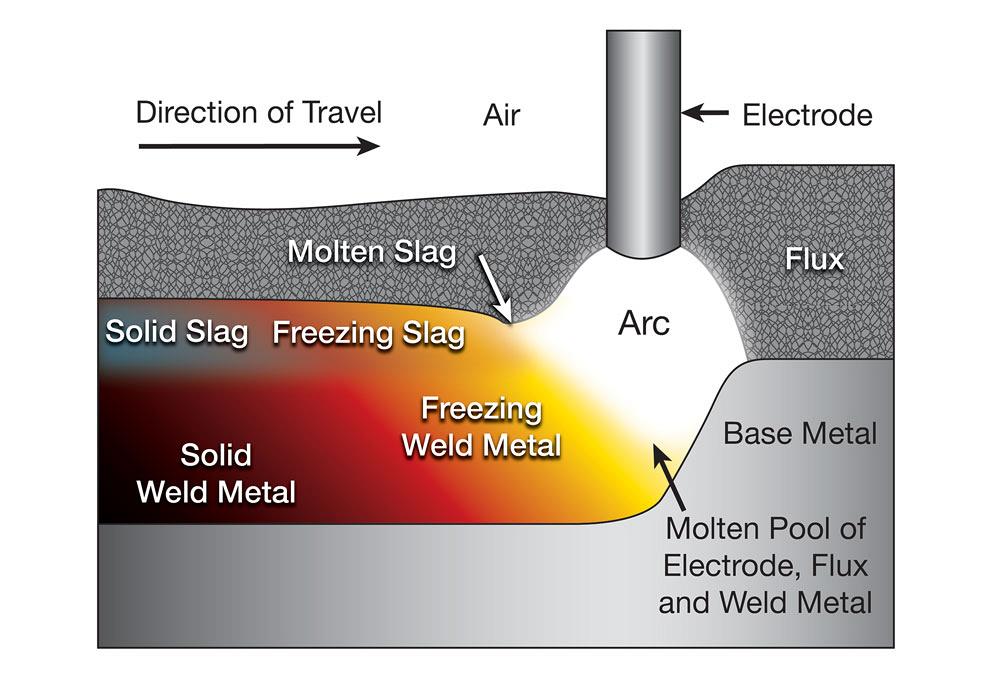
Because it's so automated and controlled, SAW produces incredibly consistent and high-quality welds. We're talking welds with fantastic strength and toughness, often surpassing other methods. It’s also ridiculously efficiency, burning through less flux and wire compared to some other processes for the same amount of work. So, while other welders are squinting through helmets and battling spatter, SAW is just quietly, effectively, and immaculately getting the job done. It’s the definition of working smarter, not harder.
Frankly, if you want a weld that’s strong, smooth, and made without all the fuss, Submerged Arc Welding is your unsung hero.
Who Uses This Magical Beast?
You might not see SAW in every small fabrication shop, but where big, serious metal joining is happening, you can bet Submerged Arc Welding is playing a starring role. Think enormous pressure vessels that hold gasses or liquids at extreme pressures. Think about the massive pipes used in oil and gas pipelines that stretch for hundreds, even thousands of miles. Shipyards building colossal cargo ships or tankers – they love SAW for joining thick steel plates with speed and reliability. Bridges, structural beams, wind turbine towers… if it’s big, needs to be incredibly strong, and demands precision, SAW is often the champion called upon.
So, next time you marvel at a huge steel structure, a gigantic ship, or even just the smoothness of a large metal tank, take a moment. Somewhere in its creation, the quiet, efficient, and utterly brilliant Submerged Arc Welding process probably played a crucial role. It might not be flashy, but it’s the definition of a hidden gem in the world of metal fabrication. And that, my friends, is an opinion worth submerging yourself in.

