
What Is Styrofoam Made Out Of
Ever grabbed a piping hot coffee in a cup that somehow keeps your hands cool? Or unboxed a new gadget nestled safely in a custom-fit cushion? We interact with it almost daily, but how many of us have stopped to wonder: What exactly is Styrofoam made out of?
It’s one of those ubiquitous materials that just… exists. But dive a little deeper, and you’ll find a fascinating story of science, ingenuity, and a dash of brand-name confusion. Let's peel back the layers, shall we?
The Building Block: Polystyrene
At its heart, what we commonly call "Styrofoam" is made from something called polystyrene. Sounds a bit scientific, right? But it's actually just a very common type of plastic polymer. Think of it as a long chain of repeating molecular units.
Must Read
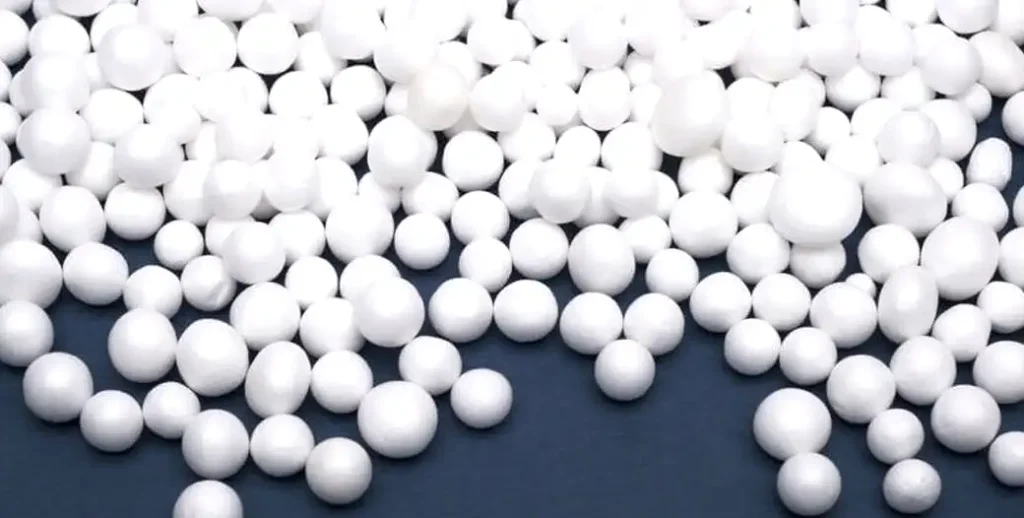
In its original, unfoamed state, polystyrene looks like tiny, clear plastic beads or pellets. You might encounter it as clear plastic cutlery, yogurt cups, or even CD cases. It’s pretty versatile stuff!
From Pellets to Puffy Perfection
So, how do those hard little beads transform into the lightweight, foamy material we know and love (or sometimes, lament)? That's where the magic happens!
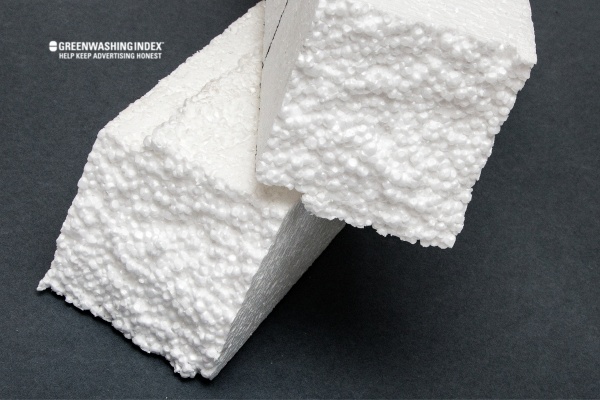
The process involves heating those polystyrene pellets and injecting a blowing agent – often pentane gas. Think of it like baking a cake; the heat and leavening agent make it puff up. As the pellets soften, the blowing agent expands, creating countless tiny bubbles within the plastic.
This expansion is truly remarkable: the polystyrene material itself typically makes up only about 5% of the finished product's volume. The other 95%? That’s mostly just trapped air! This incredible air content is precisely what gives "Styrofoam" its famous lightweight and insulating properties.
The "Styrofoam" Identity Crisis
Here's a fun little tidbit for your next trivia night: The term "Styrofoam" is actually a brand name, specifically for extruded polystyrene foam (XPS), made by Dow Chemical. It’s typically blue and used for construction insulation.
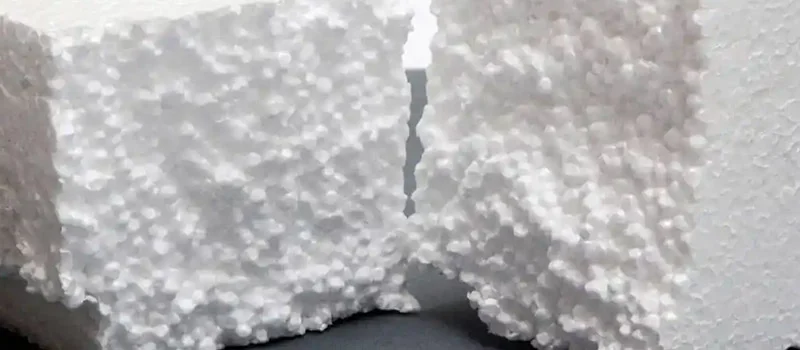
What you're holding when you have a disposable coffee cup or packaging peanuts is more accurately called expanded polystyrene (EPS). It’s like how we often say "Kleenex" instead of tissue, or "Band-Aid" instead of adhesive bandage. The brand name just stuck!
Why It's Everywhere: The Superpowers of EPS
Regardless of what you call it, this foamed polystyrene boasts some impressive qualities that make it incredibly useful in our daily lives:
- Insulation Extraordinaire: Those air pockets? They’re brilliant at trapping heat (or cold). This is why your takeout stays warm and your cooler keeps drinks frosty at the beach.
- Lightweight Champion: Because it's mostly air, it adds very little weight, making it ideal for packaging and reducing shipping costs.
- Protective Buffer: Its ability to absorb shock makes it perfect for cushioning fragile items during transit. Ever bought electronics? You’ve seen EPS at work.
- Cost-Effective: It's relatively inexpensive to produce, contributing to its widespread use.
Connecting to Your World: Practical Tips & Reflection
Understanding what goes into materials like EPS can spark a deeper appreciation – and a little more mindfulness – in our daily routines.

Practical Tip: Before you toss that foam container, always check for a recycling symbol (it’s usually a #6 inside a triangle). While EPS recycling can be tricky due to its bulk and lightweight nature, many communities are developing innovative ways to collect and process it. Sometimes it's repurposed into things like picture frames or even park benches!
Consider reusable alternatives when you can. A reusable coffee mug not only keeps your drink hot but also reduces waste. Opt for packaging-free goods or choose products that use more sustainable packaging materials like cardboard or compostable alternatives.
So, the next time you encounter that familiar white foam, you'll know it's not just "Styrofoam." It’s polystyrene, cleverly expanded with air to become an indispensable (if sometimes problematic) part of our modern world. Knowing its origins helps us make more informed choices about how we use it, appreciate its benefits, and ultimately, how we dispose of it.