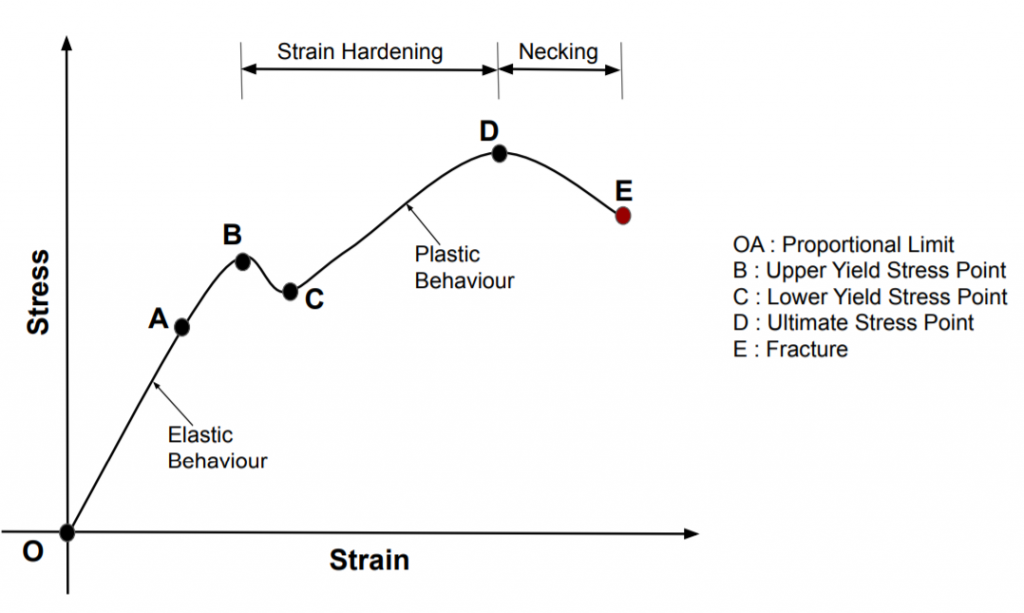
What Is Stress What Is Strain
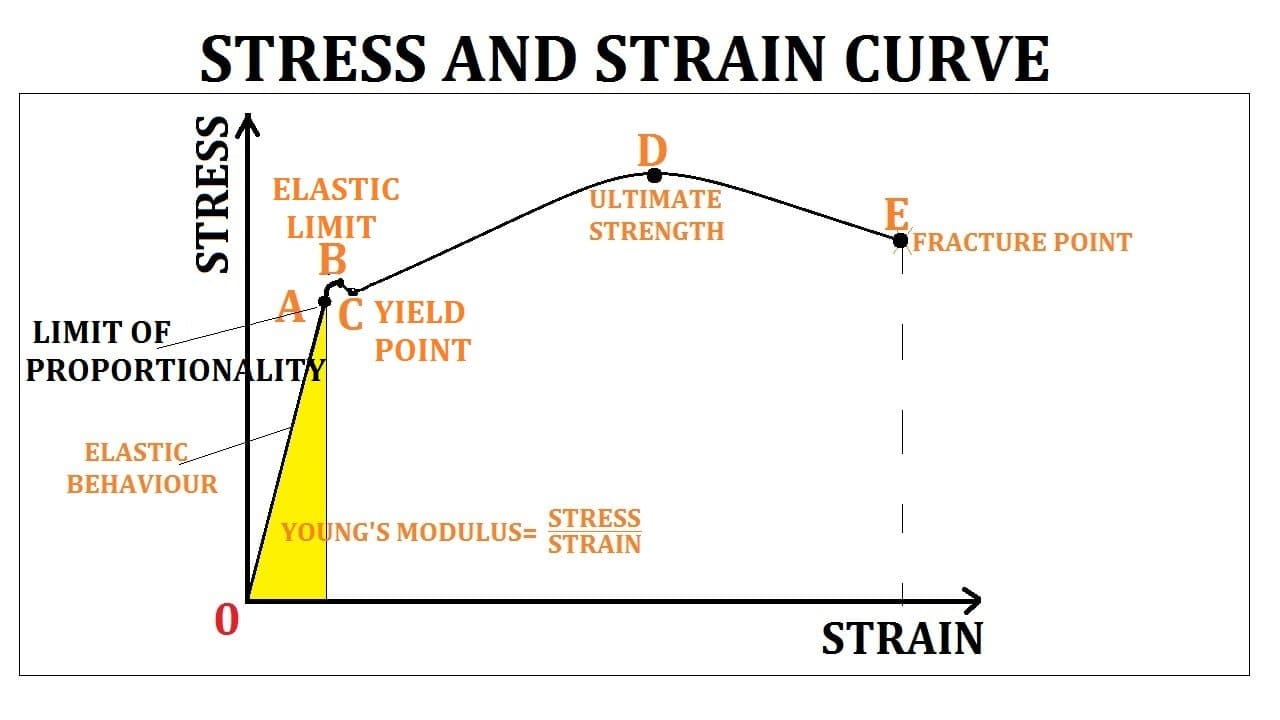
Okay, picture this: last weekend, I was wrestling my colossal sofa, trying to rearrange the living room. I gritted my teeth, gave it a mighty shove, and felt my muscles scream. The sofa barely budged an inch, but the carpet beneath it looked a bit squished where I pushed. Sound familiar? That moment of huge effort where something either resists or changes shape? You just experienced stress and strain—and no, I don't mean just the mental kind!
We use these words daily: "I'm so stressed!" "This is causing a lot of strain." But in physics and engineering, they have specific, fundamental meanings. They explain how everything around us holds together—or, yikes, falls apart.
What Is Stress? (The Internal 'Push' or 'Pull')
Back to my sofa. My shove applied a force. This force wasn't on one tiny point, but spread over the contact area (my hands, the couch legs). This distribution of force is what brings us to stress.
Must Read
Think of stress as the intensity of internal forces within a material. It’s how an applied force is distributed over a given area. For instance, push a tiny pin with 10 pounds versus a wide board with the same force; the pin feels more "stressed" due to the concentrated force.
Simply put, stress is force per unit area. Imagine a bridge: cars apply force, spread over its beams. The stress is how much each tiny piece of those beams feels from that weight. It’s the material's internal resistance fighting back.
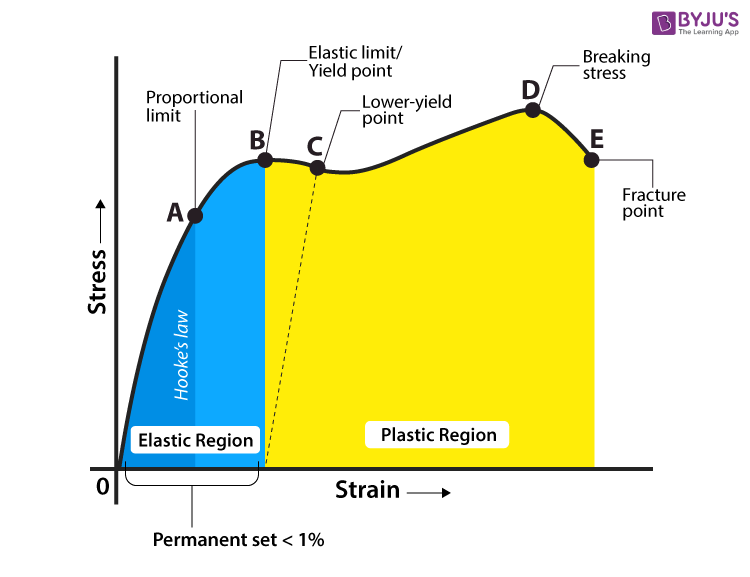
What Is Strain? (The 'Squish' or 'Stretch')
So, stress is the internal resistance. What happens when it acts on an object? Things change shape! That deformation or change in shape/size is what we call strain.
Take the rubber band. You pull it (that's applying stress). It gets longer. That change in length, relative to its original length, is its strain. It's the material literally stretching out.
If my sofa leg pressed hard, causing the carpet to visibly deform, that deformation is the strain. It’s how much an object has deformed from its original size due to the applied stress.
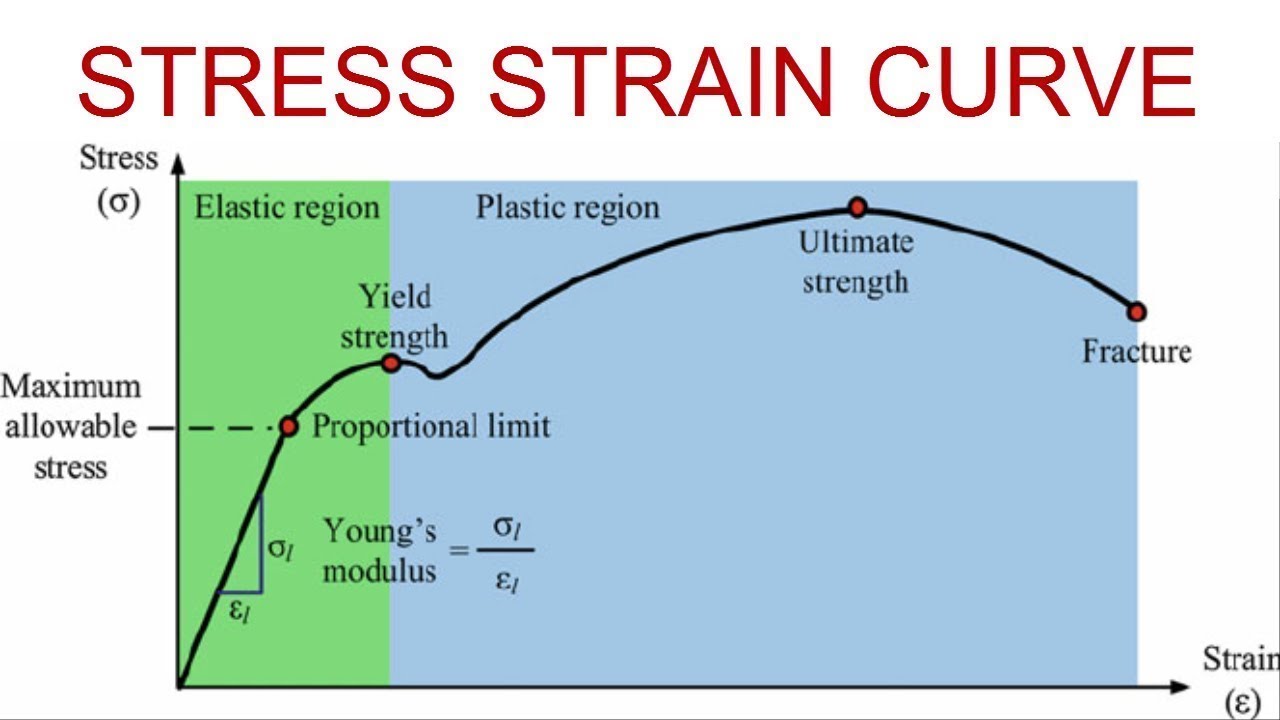
Cool fact: strain is a ratio. It's the amount of deformation divided by the original dimension. Example: a 10cm band stretches to 12cm; change is 2cm. Strain = 2cm / 10cm = 0.2. Notice something? No units! It’s just a number, representing the fractional change. Neat, huh?
The Dynamic Duo: Stress and Strain
Big takeaway: stress and strain are two sides of the same coin. You can't have one without the other. An applied force creates stress within a material, which then causes that material to strain, or deform.
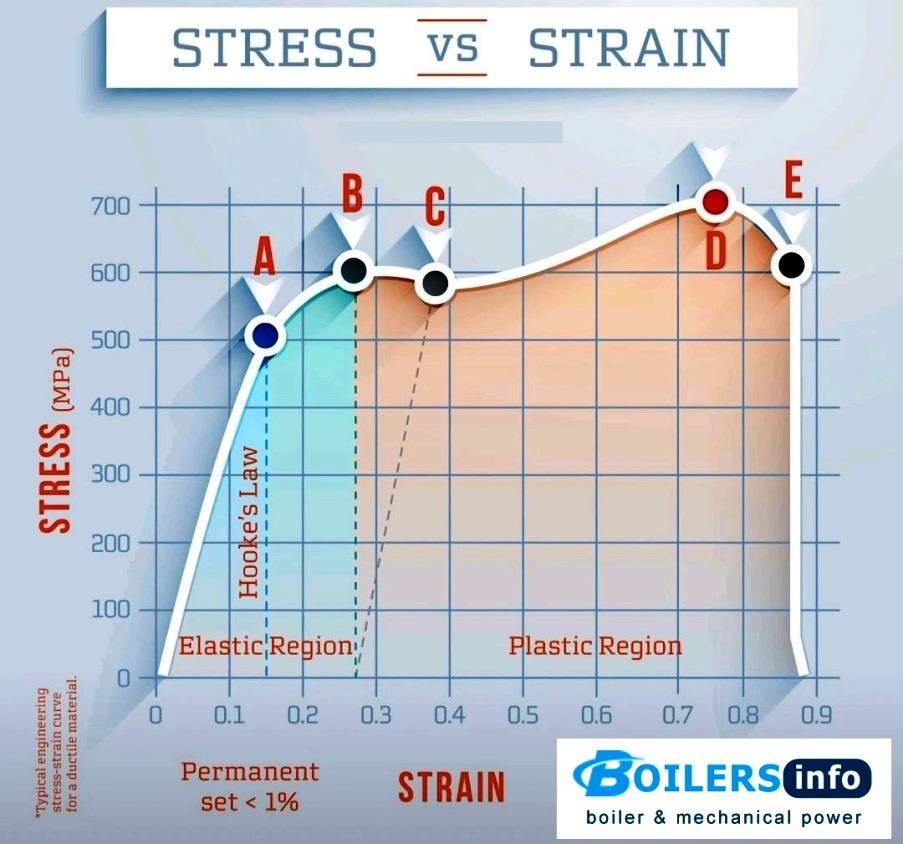
It’s cause and effect. Stress is the invisible pressure building; strain is the visible (or microscopic) reaction. Engineers constantly calculate a material's stress tolerance before its strain becomes too great and it breaks. Because, let’s be honest, no one wants a collapsing bridge!
Think human terms (metaphorically). When you’re under emotional stress, what happens? You might experience mental strain – feeling tired, irritable, even physically slouching. The internal pressure manifests as a change in your normal state.
So, next time you observe an object changing shape under force, remember the silent dance of stress and strain happening all around you. It's pretty cool! Now, if you'll excuse me, I think I'll leave that sofa where it is and avoid further physical stress and strain… on myself.