
What Is Steel Alloy Made Of

Alright, let's chat about something super cool that's literally everywhere, from your kitchen sink to the frame of your car: steel! We use it constantly, but have you ever stopped to think, "What exactly is this magical metal made of?" Most people just shrug and say, "Metal, right?" But oh, it's so much more fun than that!
Imagine steel as a really popular band. Each member plays a crucial part, even the backup singers. And the lead singer? That’s definitely Iron.
The Star of the Show: Iron
Yup, at its heart, steel is mostly iron. We're talking 95% or more of the stuff. Iron is pretty awesome on its own – it’s abundant, relatively easy to get, and can be strong. But here's the kicker: pure iron is also kind of... soft. Like, bendy soft. Not exactly what you want holding up a skyscraper, right? It's strong enough to be a foundation, but it needs a little "oomph."
Must Read
Think of pure iron as a delicious but slightly bland pasta dish. It's good, but it's missing that special something.
The Secret Sauce: Carbon
And that "oomph" comes in the form of Carbon. This is where the magic really happens! You wouldn't think it, but adding a tiny, tiny amount of carbon – we're talking less than 2%, usually more like 0.1% to 1.5% – transforms that soft, bendy iron into the superhero material we call steel.
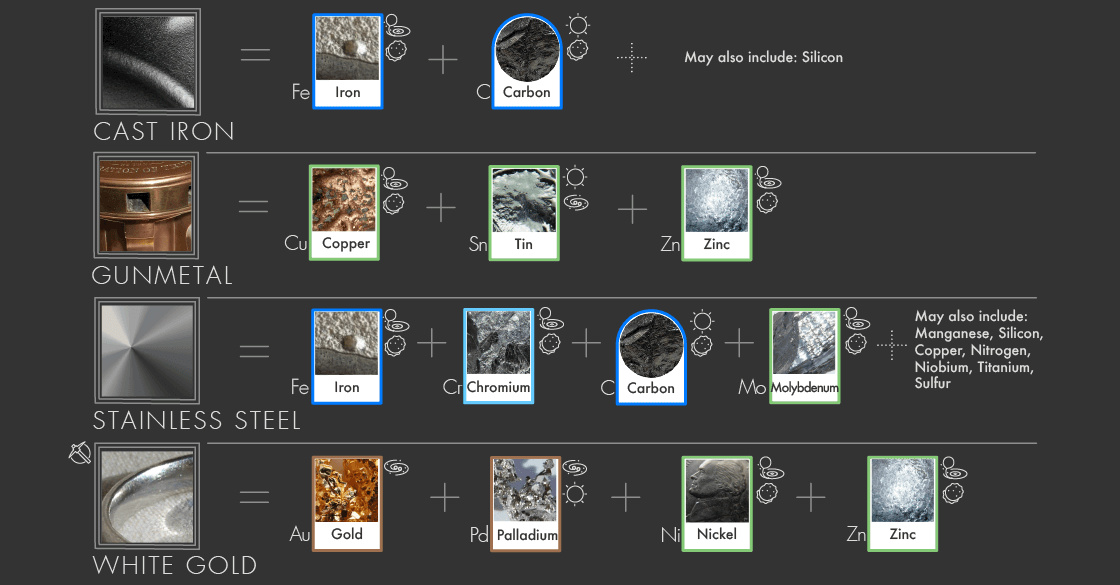
It’s wild, right? A pinch of carbon, and suddenly iron goes from "meh" to "Mighty!" Carbon atoms basically sneak into the iron's crystal structure and mess with it (in a good way!), making it much stronger and harder. It’s like adding a shot of espresso to plain coffee – same base, totally different kick!
This tiny amount of carbon is what differentiates simple iron from versatile steel. Without it, you’d have trouble making anything serious, unless you wanted a bridge that wiggled in the wind!
The Spice Rack: Other Alloying Elements
Now, if iron is the lead singer and carbon is the killer guitar riff, then the other elements are the rest of the band, each adding their own unique flavor and power. These are called alloying elements, and they're what give us all those amazing different types of steel. It's like having a whole spice rack to customize your steel "recipe"!

Chromium: The Rust-Proof Rockstar
First up, Chromium! This is the rockstar that makes steel stainless. Add enough chromium (usually 10.5% or more), and it forms a super thin, invisible protective layer on the steel's surface. This layer basically tells rust, "Nope, not today!" So, if you want shiny, rust-resistant cutlery or surgical instruments, chromium is your best friend. It’s like giving steel a permanent, invisible force field against corrosion. How cool is that?
Nickel: The Tough Guy
Then there's Nickel. This guy is all about toughness and ductility (meaning it can be stretched without breaking). It also helps with corrosion resistance, especially in extreme environments. Think of nickel as the bodyguard who makes sure steel can handle the rough stuff and stay flexible. It’s vital for high-strength applications where you need both strength and impact resistance.
Manganese: The Unsung Hero
Don't forget Manganese! This is an essential workhorse. It acts as a deoxidizer during steelmaking (cleaning up impurities) and significantly increases steel's strength and hardness. It also helps with hot working (shaping steel when it's hot). Manganese is that reliable, no-fuss member of the crew who makes everything run smoother behind the scenes. Without it, the whole operation would be a mess!

Molybdenum: The Heat Seeker
Meet Molybdenum. This element gives steel serious strength at high temperatures and improves its corrosion resistance, especially against pitting. If you need steel that stays strong when things get seriously hot – like in jet engines or power plants – molybdenum is on the job. It's the element that says, "Bring on the heat, I can take it!"
Vanadium: The Grain Refiner
And here comes Vanadium! This one is a bit of a wizard. It helps refine the grain structure of steel, making it even stronger and tougher without adding a ton of extra weight. It's often used in high-strength tools and components where you need maximum performance from minimum material. Vanadium is like the precision tuner, making sure every atom is perfectly aligned for peak performance.
Silicon: The Strength Multiplier
Last but not least, Silicon! Another great deoxidizer, silicon also dramatically increases steel's strength and elasticity. It’s particularly useful in electrical steels due to its magnetic properties. So, for things like transformers, silicon is a quiet but mighty player. It's another unsung hero, often working alongside manganese.
Why All the Mix and Match?
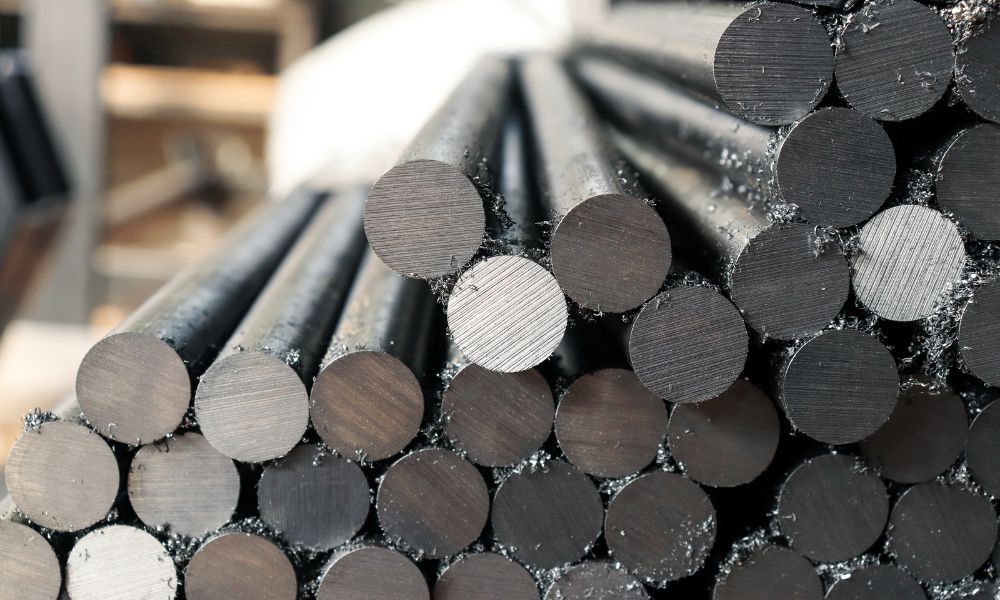
So, why all these different ingredients? Because different jobs demand different steels! You wouldn't use the same steel for a paperclip as you would for a submarine, right? Engineers are like master chefs, carefully blending these elements to create steel alloys with specific properties:
- Want it super strong? Add more carbon, maybe some manganese and vanadium.
- Need it to laugh in the face of rust? Load up on chromium and nickel!
- Does it need to shrug off extreme heat? Molybdenum to the rescue!
It’s a fascinating dance of chemistry and engineering. Every time you see a bridge, a spoon, or a towering building, remember that it's all thanks to these tiny atomic heroes working together.
The next time you encounter anything made of steel, give it a little nod. You now know its secret identity: a carefully crafted symphony of iron, a whisper of carbon, and a sprinkle of super-powered alloying elements, all performing together to make our modern world possible. Isn't that just awesome?