What Is Silicone Made Out Of

Have you ever paused to wonder about the unassuming, yet incredibly useful, materials that populate our daily lives? From the soft seal of your reusable coffee cup lid to the bendy baking molds in your kitchen drawer, there's a good chance you're interacting with silicone without giving it a second thought. It’s one of those modern marvels that’s so pervasive, it practically disappears into the background. But what exactly is this versatile substance made of? Let's peel back the layers and satisfy our curiosity about this fascinating material!
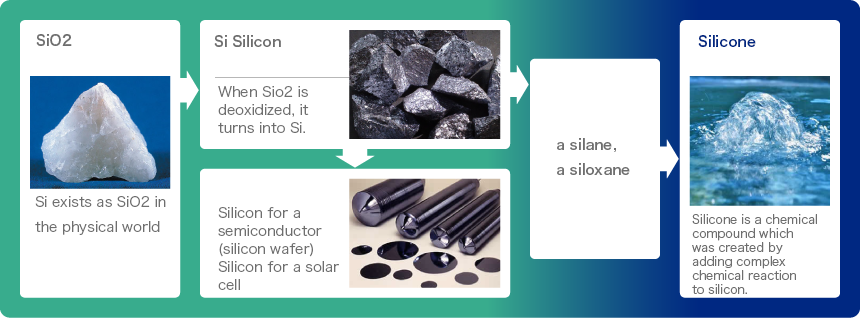
At its heart, silicone is a type of polymer – a large molecule made up of many repeating smaller units. What makes it special is its unique backbone: instead of the carbon chains found in most plastics, silicone polymers have a silicon-oxygen chain, with various organic groups attached. This gives silicone a hybrid nature, borrowing properties from both plastics and glass. The primary ingredient for making silicone is silica, which is essentially sand! Yes, humble sand, specifically silicon dioxide (SiO₂), is processed through a complex chemical dance involving heat, carbon, and various hydrocarbons to eventually yield the flexible, durable material we know and love.
The purpose of silicone is truly vast, stemming from its exceptional benefits. It's incredibly heat resistant, able to withstand extreme temperatures without melting, cracking, or degrading – perfect for ovenware! It’s also remarkably flexible and durable, bouncing back from countless bends and stretches. Unlike many plastics, silicone is generally non-toxic and inert, meaning it doesn't react with most chemicals, making it safe for food contact and medical applications. Plus, it's waterproof, resistant to UV light, and acts as a fantastic electrical insulator. These properties make it a go-to for everything from sealing leaks to comforting teething babies.
Must Read
You’ll find silicone everywhere once you start looking! In the kitchen, think of those colourful spatulas, non-stick baking mats, and even oven mitts. In healthcare, it's crucial for medical tubing, respiratory masks, and even prosthetics due to its biocompatibility. For the DIY enthusiast, silicone caulk seals windows and bathrooms, providing long-lasting, watertight barriers. Educators might use silicone for science experiments involving flexibility or heat resistance, and children undoubtedly play with silicone teethers or sensory toys. It even makes appearances in electronics, providing protective cases or keypads that are both tactile and robust.
Want to explore silicone more yourself? Start by simply identifying it around your home. Pick up a silicone spatula and notice its unique feel – that smooth, slightly rubbery texture. Compare it to a plastic item and a metal one. Pay attention to how it handles heat next time you're baking; see how a silicone baking mat keeps things from sticking. If you have silicone ice cube trays, notice how easily the ice pops out compared to rigid plastic. You could even research the specific recycling options for silicone in your area, as it often requires specialized facilities due to its unique chemical structure. Enjoy this little journey of discovery into the world of this amazing, sandy-based super-material!