What Is Renewable Sources Of Energy Definition
Ever felt that electric buzz of excitement when you learn something new? Well, prepare for another jolt! Today, we're diving into the world of renewable energy. Why? Because frankly, it's the future! And understanding it is not just smart, it's also pretty darn fascinating. Think of it as unlocking a secret code to a healthier planet and a more sustainable lifestyle. So, buckle up, let's explore what this "renewable energy" buzz is all about.
Okay, so what is renewable energy? Simply put, it's energy that comes from sources that are naturally replenished. Imagine a fountain that never runs dry, constantly bubbling with water. That's kind of how renewable energy sources work. The purpose is to generate power without depleting our planet's resources, unlike fossil fuels like coal and oil, which are finite and contribute significantly to climate change.
The benefits are huge! First and foremost, renewable energy is, well, renewable! This means we're not going to run out of it anytime soon. Secondly, it's much cleaner than traditional energy sources. Renewable energy technologies produce little to no greenhouse gas emissions, helping to combat climate change and improve air quality. Thirdly, embracing renewable energy can create new jobs and boost local economies. It's a win-win-win situation!
Must Read
Where do we see renewable energy in action? It's probably closer than you think! In education, schools are increasingly incorporating solar panels on their roofs, not just to save money but also as a teaching tool. Students can learn firsthand about how solar energy works and its environmental benefits. In daily life, you might see solar panels on homes, wind turbines spinning gracefully on hillsides, or electric vehicles quietly zipping down the street. Even simple things like drying your clothes on a clothesline instead of using a dryer are a tiny, but meaningful, step towards utilizing renewable energy (in this case, solar energy!).
Want to explore the world of renewable energy further? Here are a few practical tips:
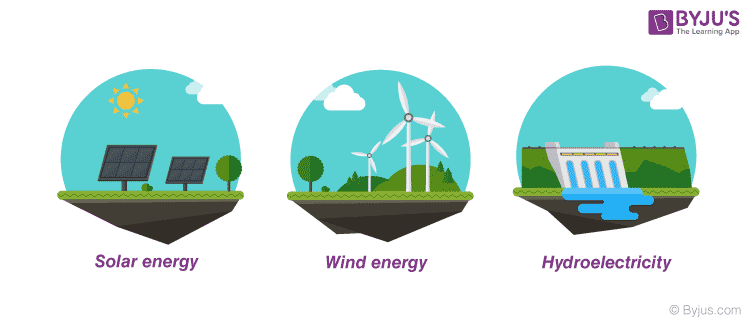
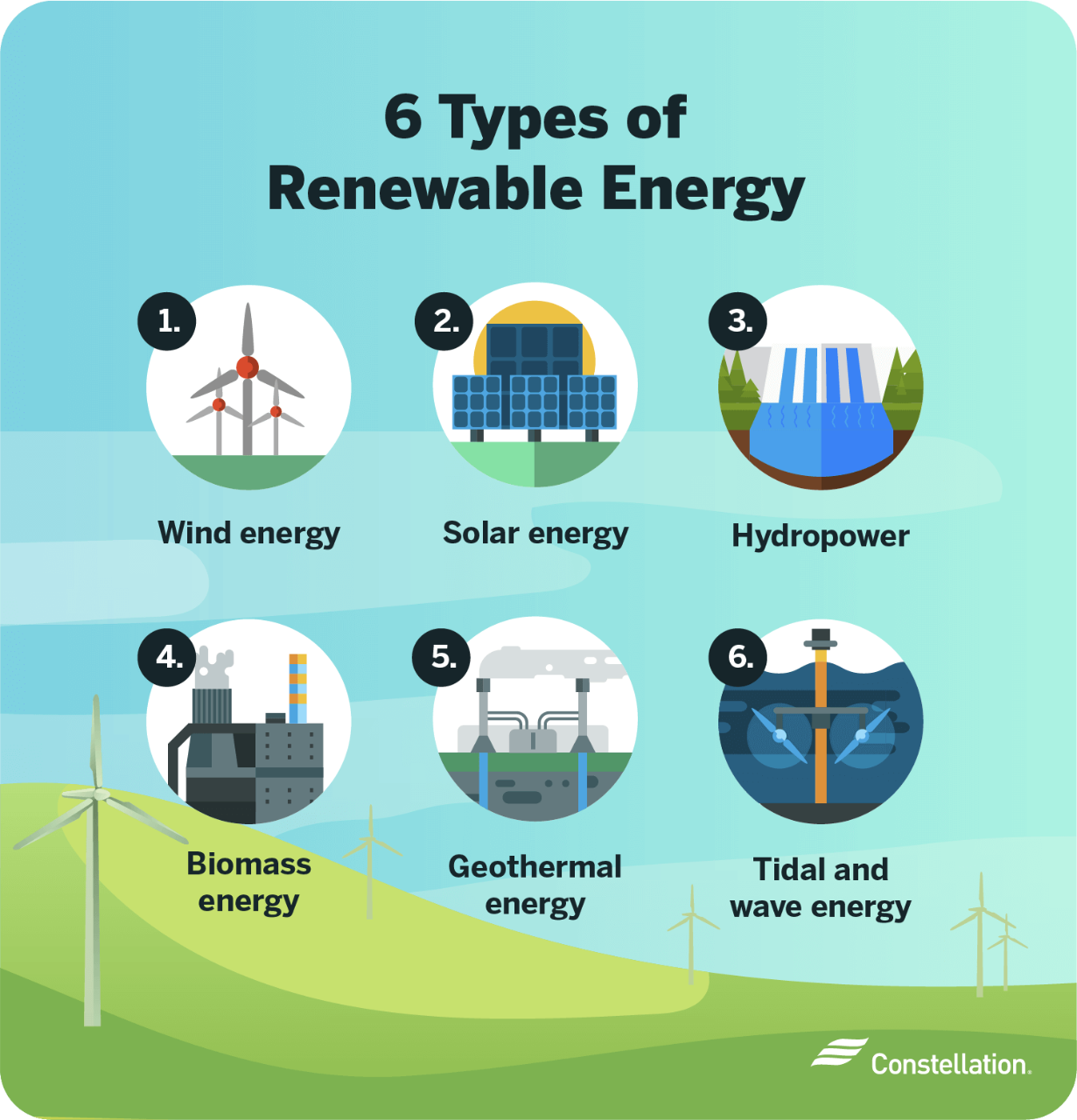
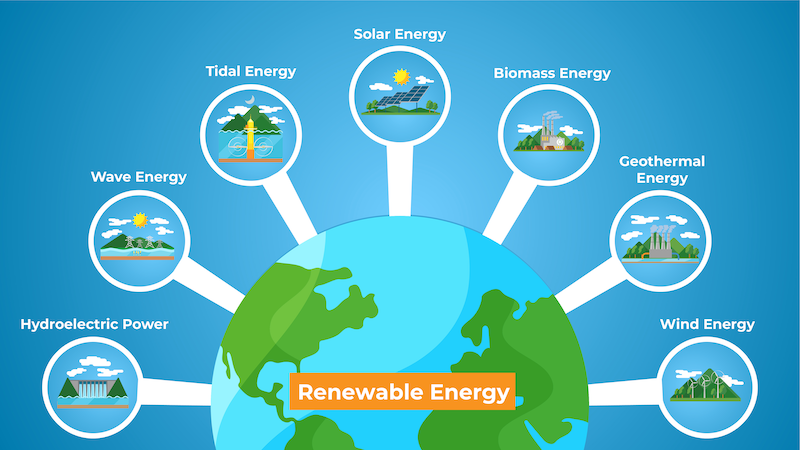
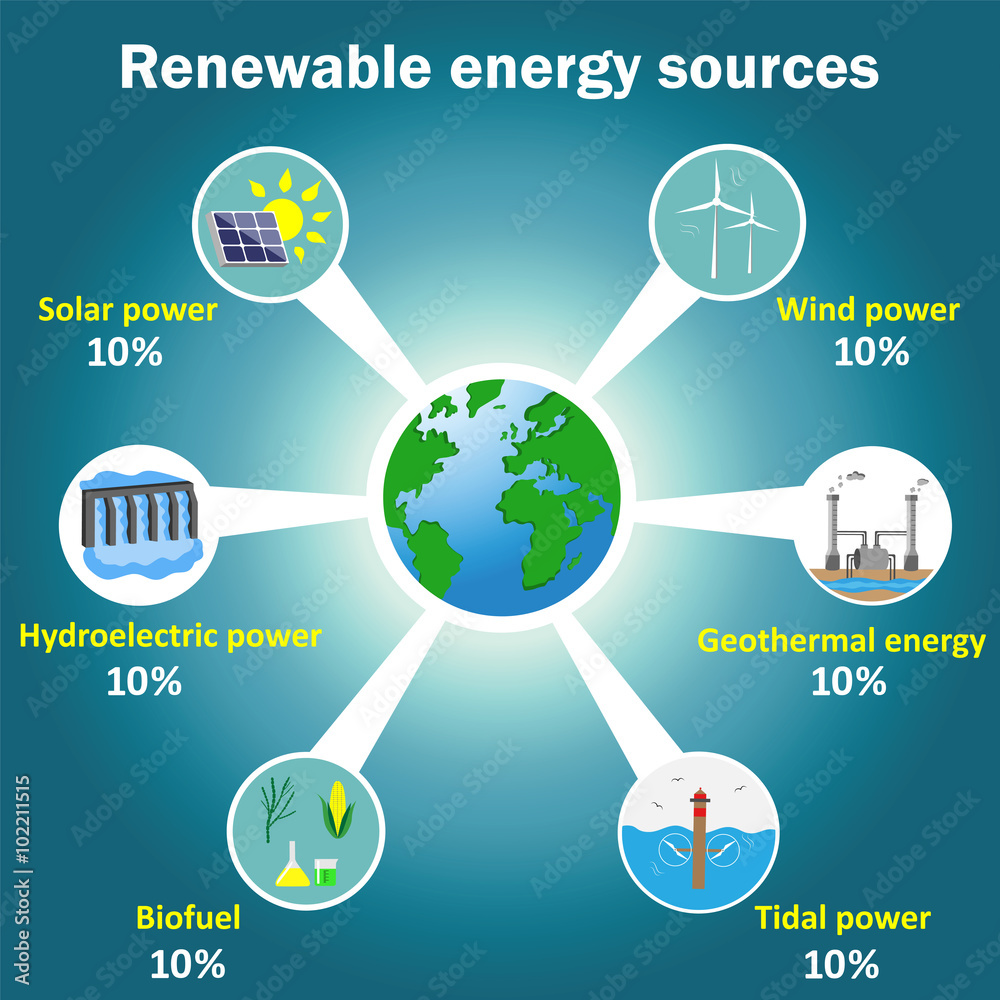
- Research different types of renewable energy: Learn about solar, wind, hydro, geothermal, and biomass. Understand how each one works and its potential.
- Calculate your carbon footprint: There are many online tools that can help you understand your impact on the environment and identify areas where you can reduce your energy consumption.
- Support businesses that use renewable energy: Choose products and services from companies committed to sustainability.
- Consider installing solar panels or a renewable energy system at home: Even small steps like switching to energy-efficient light bulbs can make a difference.
- Visit a local renewable energy installation: Many wind farms and solar plants offer tours or educational programs.
The world of renewable energy is vast and constantly evolving. Don't be afraid to ask questions, explore new technologies, and discover your own role in creating a cleaner, more sustainable future. It's an adventure worth embarking on!