
What Is Renewable And Nonrenewable Resources

Hey there, eco-chic friend! Ever wonder where the energy that powers your phone, heats your home, and fuels your adventures comes from? It’s a tale of two resource types: renewable and nonrenewable. Let’s dive into the sustainable scoop, shall we?
Renewable Resources: The Gifts That Keep on Giving
Think of renewable resources as Mother Nature's endless buffet. These are the goodies that replenish themselves at a rate we can actually keep up with. Imagine them like your favorite playlist on repeat – they just keep coming!
Solar Power: Harnessing the sun's energy is like catching rays for your electricity bill. Think rooftop panels, solar farms, and even those cute little solar-powered garden lights. Fun fact: Did you know that the Sahara Desert gets enough sunlight in six hours to power the entire world for a year? Talk about potential!
Must Read
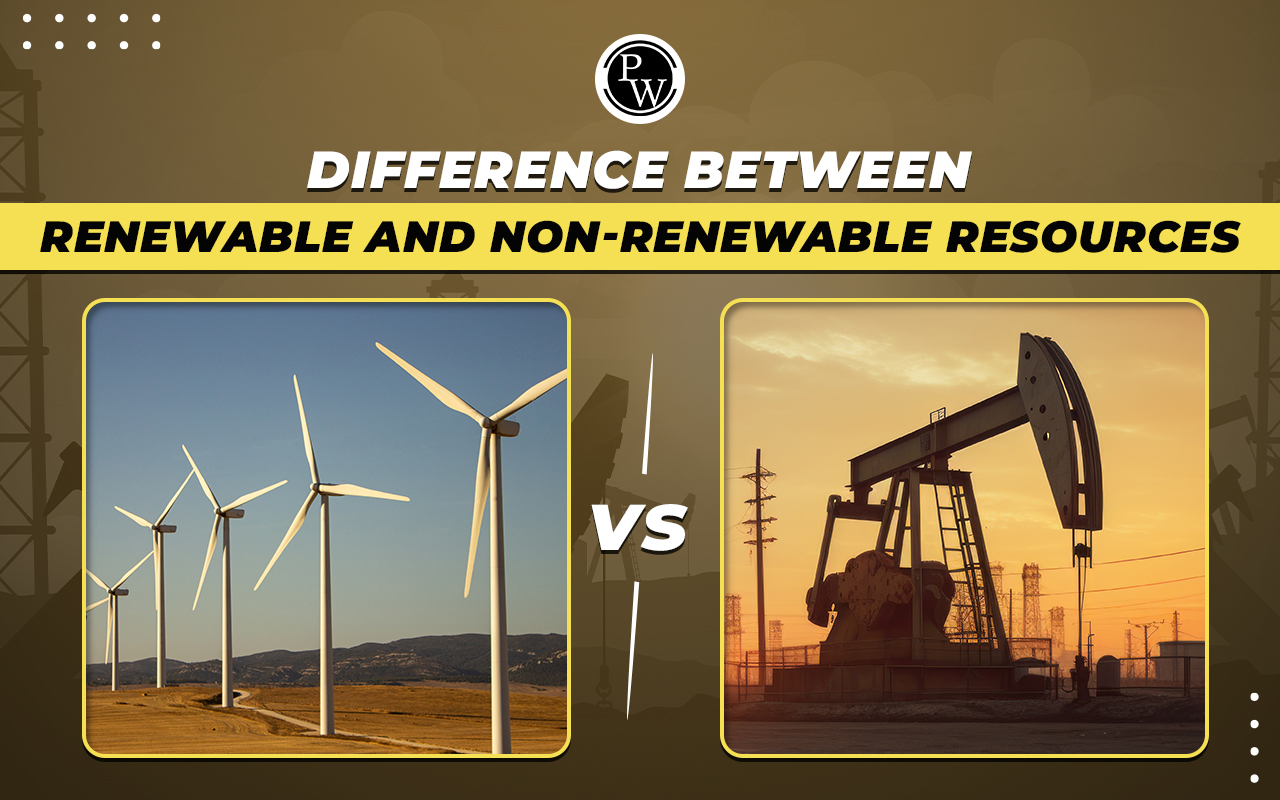
Wind Power: Picture those graceful wind turbines spinning in the breeze. Wind energy is like nature's own spinning top, converting kinetic energy into electricity. Remember Don Quixote tilting at windmills? Well, these windmills are actually doing something super useful!
Hydropower: Water, water everywhere, and lots of power to be made! Hydropower uses the force of flowing water to spin turbines and generate electricity. From massive dams to smaller river systems, it's a powerful force (pun intended!).
Geothermal Energy: Earth's internal heat is a goldmine of energy. Geothermal plants tap into this heat to generate electricity and even heat buildings. Think of it as Earth's own central heating system.
Biomass Energy: Burning organic matter, like wood or agricultural waste, can generate energy. It's like giving these materials a second life. However, sustainable practices are key here to ensure responsible sourcing and avoid deforestation.
Practical Tip: Even small changes like switching to a renewable energy provider, investing in solar panels, or supporting companies committed to sustainability can make a big difference. Every little bit helps!
Nonrenewable Resources: The Finite Feast
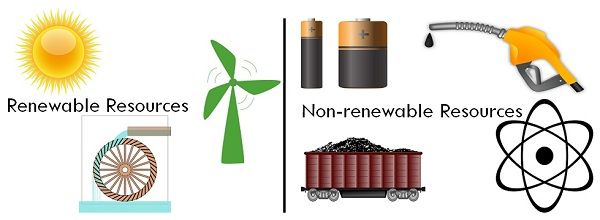
Nonrenewable resources are the opposite – a limited supply that took millions of years to form. Once we use them up, they're gone, kaput, sayonara! It's like that vintage record you can't replace; handle with care.
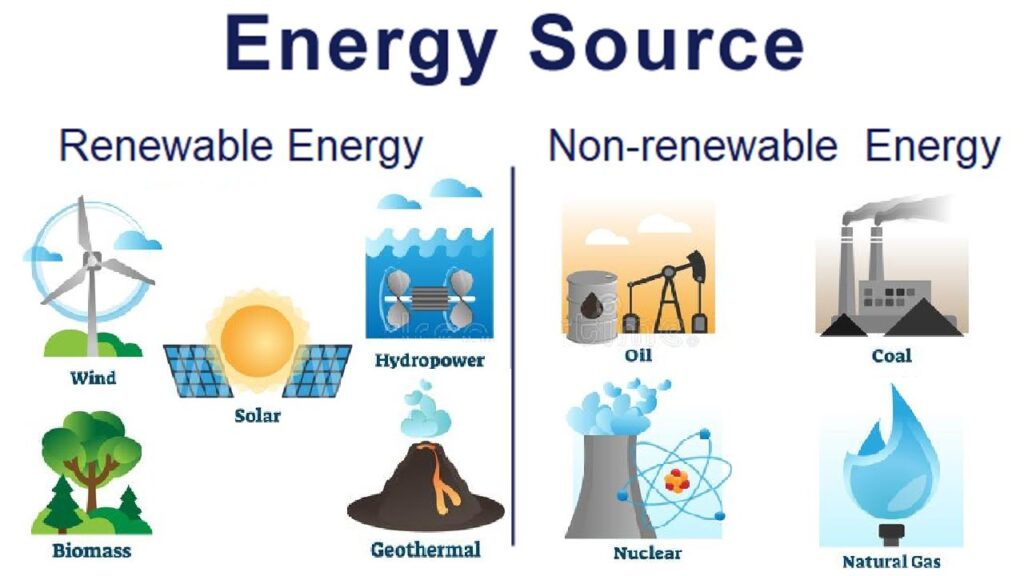
Fossil Fuels: Coal, oil, and natural gas – the powerhouses of the industrial revolution. They formed from the remains of ancient plants and animals under intense heat and pressure. Think dinosaurs and giant ferns turned into… gasoline. Pretty wild, right?
Nuclear Energy: While not technically a fossil fuel, uranium is a nonrenewable resource used in nuclear power plants. Nuclear energy is a complex topic with pros and cons, but it's important to understand its role in the energy mix.
Important Consideration: Burning fossil fuels releases greenhouse gases into the atmosphere, contributing to climate change. That's why the transition to renewable energy is so crucial.
Cultural Reference: Remember that feeling when you realize your favorite limited-edition snack is discontinued? That’s kinda like using up nonrenewable resources. It's a bummer, and we need to find sustainable alternatives!
The Big Picture: Why It Matters
Understanding the difference between renewable and nonrenewable resources is more than just a science lesson; it's about our future. It's about creating a sustainable world for generations to come.
By embracing renewable energy, we can reduce our carbon footprint, protect our planet, and create a cleaner, healthier environment. It's like choosing organic produce over processed foods – better for you and the planet!

Fun Fact: Scientists and engineers are constantly developing new and innovative ways to harness renewable energy, making it even more efficient and accessible. The future is bright!
Practical Tip: Simple everyday actions, like conserving energy at home, reducing your reliance on cars, and supporting sustainable businesses, can all contribute to a more sustainable future.
A Little Reflection: Connecting to Daily Life
Think about your daily routines. How much energy do you use? Where does that energy come from? Are there ways you could make more sustainable choices? Maybe it's biking to work instead of driving, or turning off lights when you leave a room. Every conscious choice, no matter how small, adds up. Let's all strive to be more mindful of our resource use and embrace a future powered by the abundant gifts of our planet.