What Is Pp Material Made Of

Look around you! From the sturdy container holding your lunch to the protective casing of your favorite garden tool, chances are you're surrounded by an unsung hero of the modern world: PP material. This incredibly versatile plastic might seem ordinary, but for the creative mind, it offers a surprising canvas of possibilities. It’s not just a material; it’s a springboard for imagination, durable, flexible, and ready to be transformed.
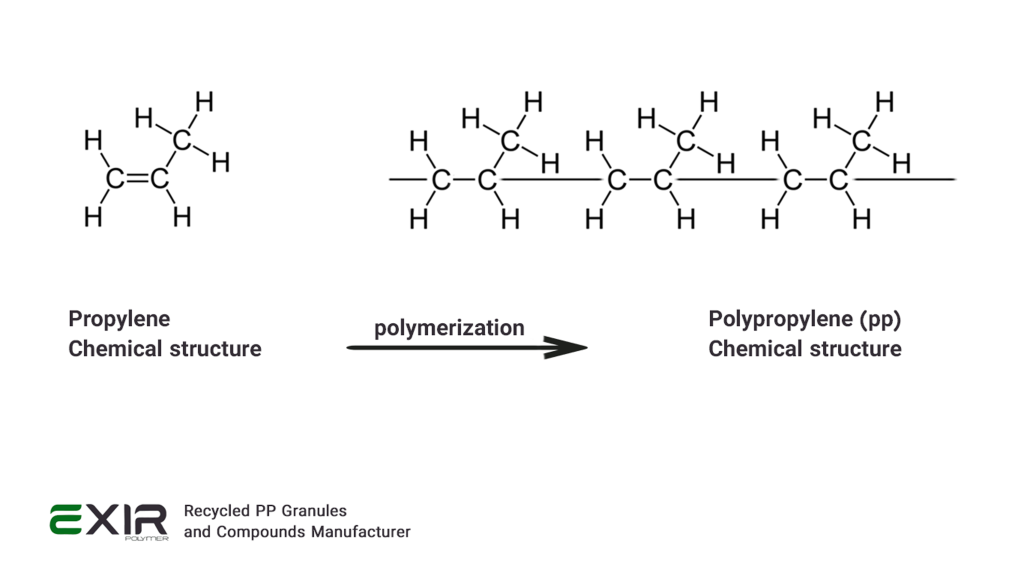
So, what exactly is PP material made of? At its heart, PP stands for Polypropylene. It's a type of thermoplastic polymer, meaning it can be melted and reshaped multiple times without significant degradation. Essentially, it's a long chain of small molecules called propylene monomers linked together. This clever chemical structure gives PP its fantastic properties, making it one of the most widely produced plastics globally.
For artists, hobbyists, and anyone with a penchant for DIY, PP offers a treasure trove of benefits. First, it’s remarkably durable and resilient. Projects made with PP can withstand a lot of wear and tear, making them perfect for items that need to last. It’s also incredibly lightweight, which is a huge plus for crafting larger pieces or items you might need to move around. Its natural flexibility allows for intricate cuts and folds without cracking, opening up a world of three-dimensional design. Plus, PP is naturally water-resistant, meaning your creations can brave the elements or be easily wiped clean, a boon for everything from garden decor to kids' art supplies.
Must Read
Ready for some inspiration? PP material, especially in sheet form, is perfect for crafting custom stencils – imagine creating your own unique patterns for painting, fabric art, or even baking! Its semi-transparent quality and ease of cutting make it ideal. You can also craft stunning, modern lampshades or light fixtures by scoring and folding PP sheets into geometric wonders, letting light diffuse beautifully. Think about personalized binders, weatherproof outdoor signs, or even intricate models and sculptures. With its food-grade variants, PP can even be fashioned into handy, reusable containers or creative snack dividers for lunchboxes. Don't forget the magic of repurposing! Clean PP plastic bottles or containers can be cut, painted, and transformed into planters, whimsical sculptures, or organizers.

Excited to try it at home? It's easier than you might think! Start by sourcing PP plastic sheets from craft stores, stationery shops, or even online. They often come in various thicknesses and colors. For cutting, a good pair of sharp craft scissors or a craft knife (always on a cutting mat!) will be your best friend. Experiment with different scoring techniques for clean folds, using a ruler as a guide. When gluing, look for adhesives designed for plastics, or consider mechanical fasteners like rivets or tabs. If you're repurposing items, ensure they are thoroughly cleaned and dry. Always prioritize safety, especially when using sharp tools, and supervise children closely.
The true joy of working with PP material lies in its boundless potential and the sheer satisfaction of transforming a common industrial material into something personal and practical. It’s an invitation to explore your creativity without fear of breakage, to craft items that are not only beautiful but also built to endure. So go ahead, unleash your inner inventor, and discover the delightful world of PP!