
What Is Plasma In Chemistry
:max_bytes(150000):strip_icc()/examples-of-plasma-608335-v1sffinal-06e12367bdfd40089615b11662c2f5d5.png)
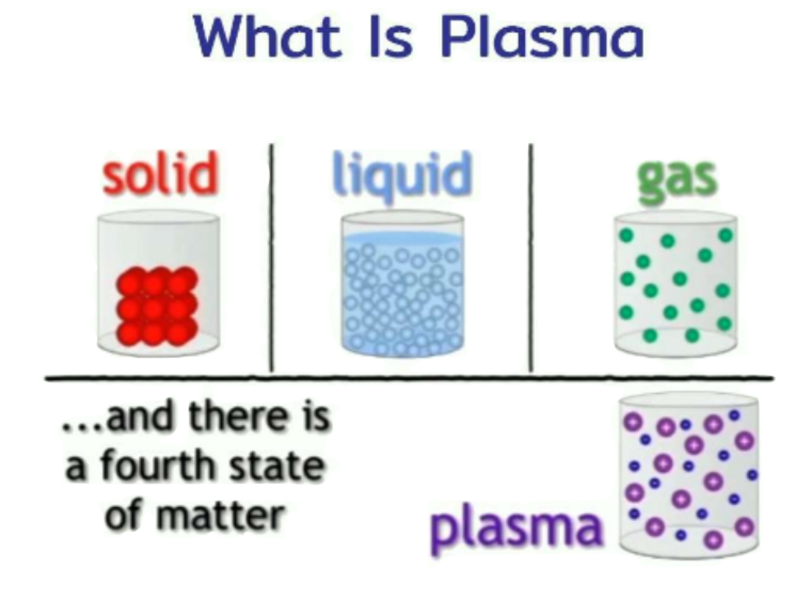
Okay, so grab your imaginary coffee cup, because we need to chat. You know solids, liquids, and gases, right? Those are the classic three states of matter. We learn them in like, kindergarten, and then basically never think about them again unless we're melting ice cream or watching a kettle boil. Super standard stuff.
But what if I told you there’s a fourth cool kid on the block? A state of matter that's not just kinda cool, but actually makes up like, 99% of the visible universe? Mind-blowing, right? We're talking about plasma, my friend.
And no, I don't mean the stuff they take out of your arm at the blood bank. Totally different vibe. That’s blood plasma, which is mostly water with some proteins and other bits floating in it. We're diving into chemical plasma, which is way more electrifying (literally!).
Must Read
So, What Is This Stuff, Really?
Imagine a gas. Just your average, everyday gas – atoms and molecules zipping around, minding their own business. Now, picture pumping a ton of energy into that gas. I mean, like, serious energy. We're talking enough heat or electricity to make things get wild.
What happens? Well, those electrons that are usually happily orbiting their atoms? They get so energized, they actually get knocked right off their atoms! POOF! Gone! Or rather, free-floating. So, what you end up with is a super chaotic, highly energetic soup of free electrons and the now positively charged atoms they left behind, called ions.
This whole soup of charged particles – those free electrons and those naked ions – that's our plasma! It's an ionized gas. Think of it like a gas, but cranked up to eleven, where everyone's lost their cool and their outer layers.
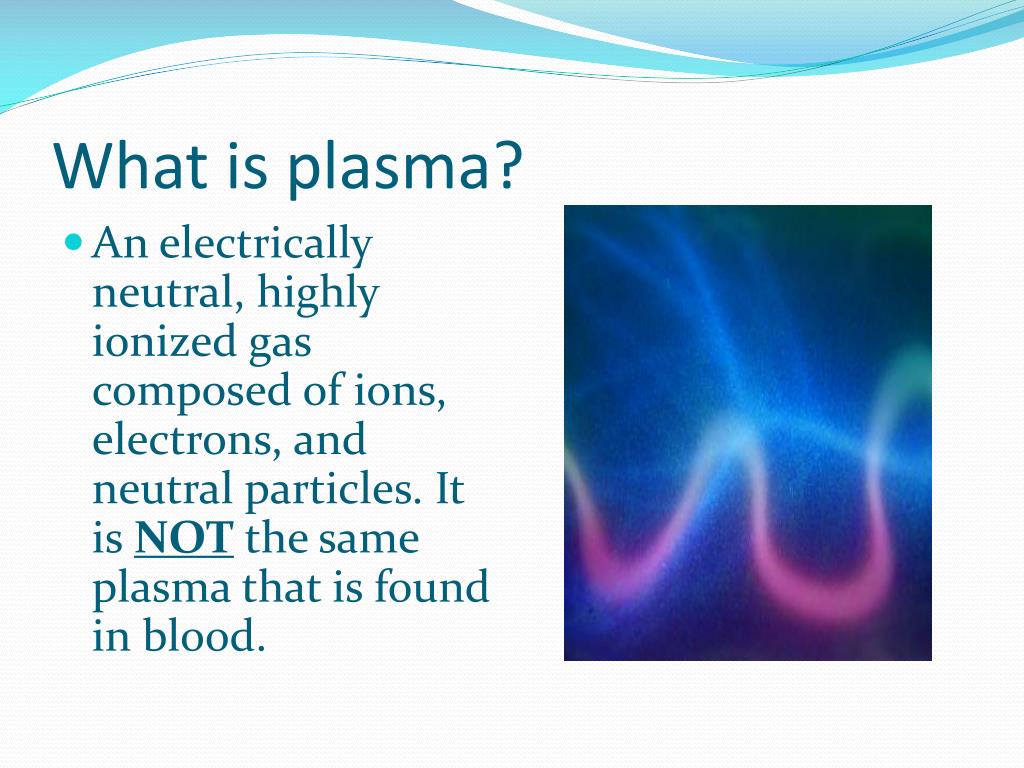
Because it's full of these electrically charged particles, plasma behaves totally differently from a regular gas. It's not just a fancy gas; it's its own unique beast. It can conduct electricity, for example, which normal gases usually aren't too keen on doing.
Where Does Plasma Hang Out?
Okay, so this isn't some rare, elusive unicorn of chemistry. Plasma is actually everywhere. You just might not have realized it.
Let's start big. Like, universe big. All stars, including our very own Sun? They're basically giant, glorious balls of plasma. The hot, dense core of a star is so intensely hot that all its matter is ionized, making it plasma. So, yeah, the Sun is a plasma party, and we're all just enjoying its glow.

Beyond stars, think about those gorgeous auroras – the Northern and Southern Lights. Those shimmering curtains of light in the sky? Also plasma! When super-energetic particles from the sun hit our atmosphere, they ionize gases, creating those spectacular displays. It's like nature's own light show, powered by plasma.
And lightning? Yup, a lightning bolt is a brief, super-hot channel of plasma. When enough electrical charge builds up, it rips electrons off air molecules, creating a conductive path of plasma for that massive spark.
Closer to home, in our everyday lives? You've seen plasma, probably without even knowing it! Old-school neon signs? Plasma! The gas inside those tubes (usually neon, argon, or xenon) gets zapped with electricity, turning it into plasma that then glows those vibrant colors.

Fluorescent light bulbs? Also plasma! A tiny bit of mercury vapor inside the tube becomes plasma when electricity runs through it, emitting UV light, which then makes the white coating glow. Pretty neat, huh?
Even those funky plasma balls you sometimes see in science museums or novelty shops? Totally plasma! Zap some gas inside that glass sphere and watch the tendrils of plasma dance around. Super mesmerizing.
Why Should We Even Care?
Beyond being universally abundant and making pretty lights, plasma is actually super useful and incredibly important.
Scientists are obsessed with it for fusion research. Imagine harnessing the same power that fuels the Sun to create clean, virtually limitless energy here on Earth. That's the dream, and it all revolves around controlling super-hot plasma.
Industrially, plasma is a workhorse. It's used for things like sterilizing medical equipment, treating surfaces to make them stronger or more water-resistant, and even in some super-precise cutting tools. Plasma torches can cut through thick metal like butter!
So, the next time you look at the sky, or see a neon sign, or even just flick on a fluorescent light, give a little nod to plasma. It's the energetic, glowing, charge-conducting unsung hero of the universe, lurking everywhere, just waiting for a moment in the spotlight. Or, you know, the plasma-light. 😉