
What Is Petroleum Oil Made Of
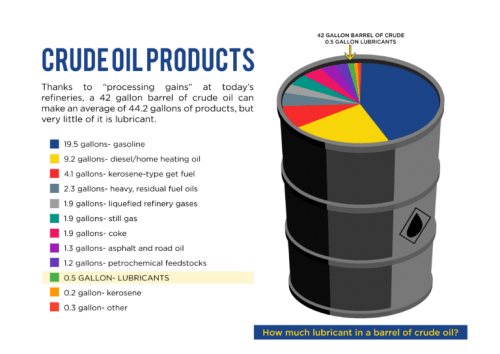
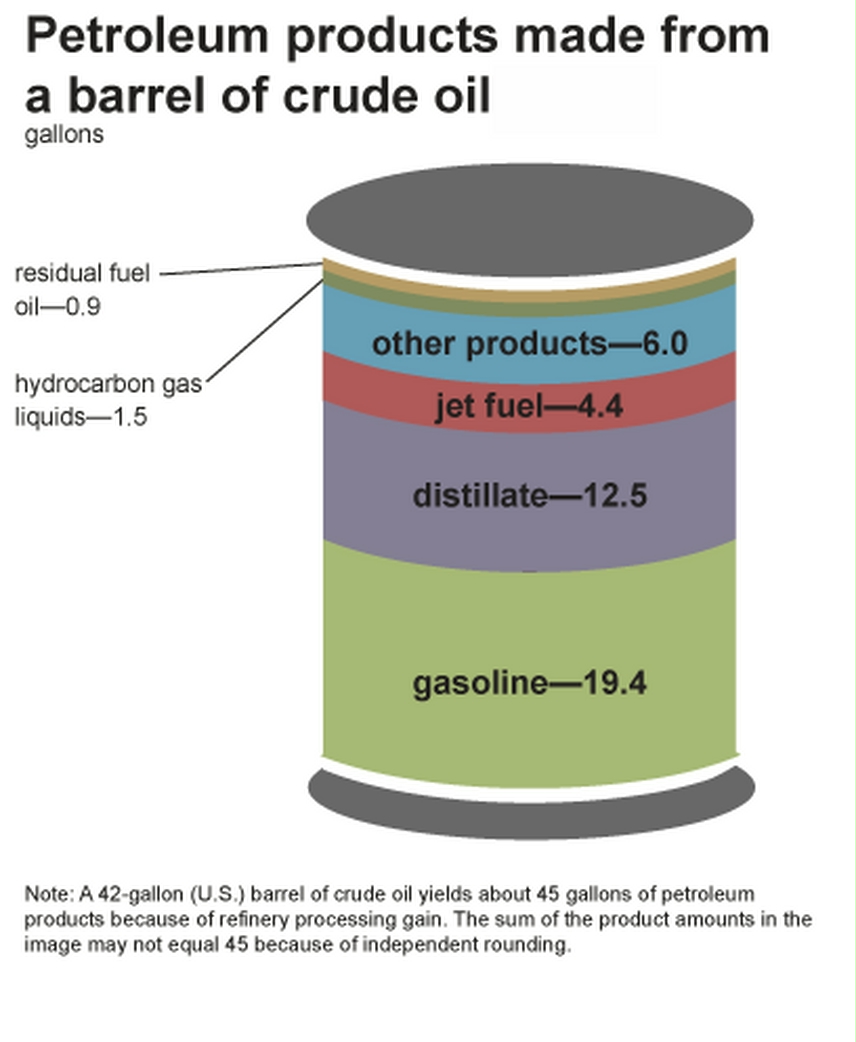
Ever gazed at a gleaming car, filled up your tank, or even just used a plastic bottle, and thought: “What in the world is this stuff actually made of?” Well, buckle up, because we’re about to dive into the amazing, ancient, and surprisingly fun world of petroleum oil!
You might think of petroleum as just… black goo. And, okay, sometimes it is! But what that black goo represents is a story millions of years in the making, filled with tiny creatures, immense pressure, and a little bit of magic. (Okay, a lot of science, but it feels like magic, doesn't it?)
It All Starts with ... Ancient Sea Critters!
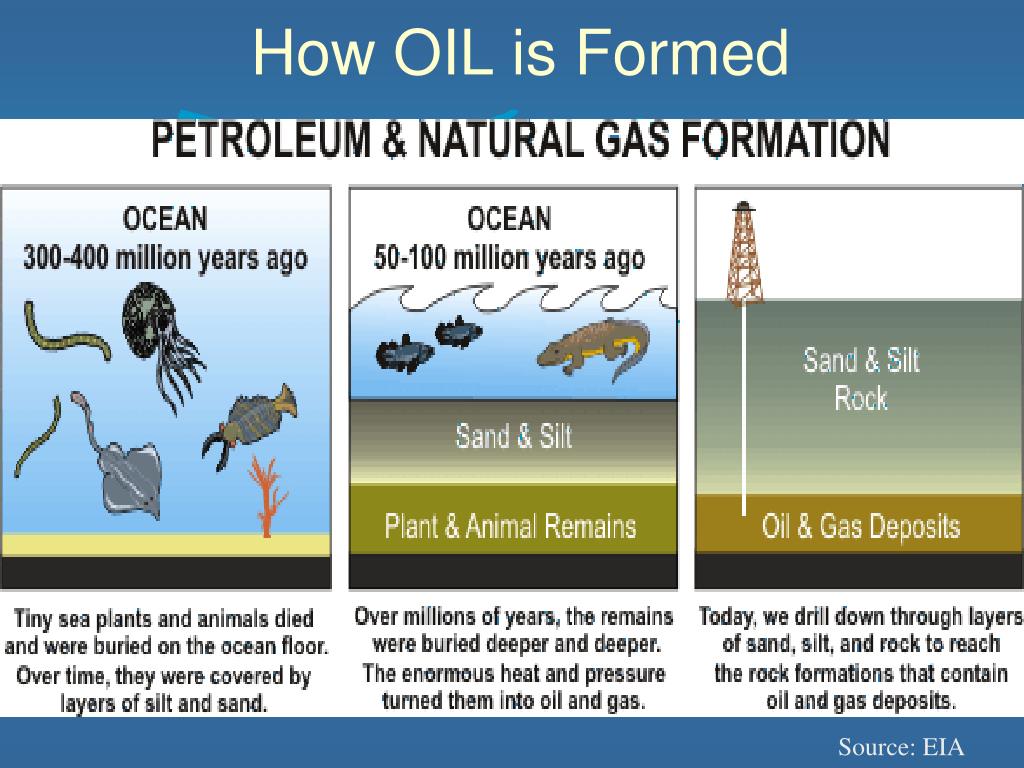
Surprise! Petroleum isn't made from dinosaurs. (Though that's a fun myth!) Instead, its primary ingredients are something far smaller and much more numerous: microscopic marine organisms. Think tiny plants and animals – like plankton and algae – that once floated around in ancient oceans, living their best lives.
Must Read
Millions upon millions of years ago, when these little guys finished their life cycle, they didn't just disappear. Oh no. They sank. They sank to the bottom of the sea, piling up in thick layers.
Nature's Ultimate Recycling Program
Now, here's where it gets interesting. These layers of organic matter didn't decompose completely like most things do on land. Why? Because they were quickly buried under layers of mud, sand, and other sediments. This burial cut them off from oxygen, which is crucial for full decomposition. Think of it as nature's perfect time capsule!
Over eons, more and more sediment piled on top. Imagine the weight! We’re talking about kilometers of rock. This immense pressure, combined with increasing temperatures from the Earth's core, started to cook our ancient organic soup. Slowly but surely, over millions of years, this buried, cooked organic material transformed.
First, it became something called kerogen – a waxy, solid substance. Then, with just the right amount of heat and pressure (the "oil window," as geologists call it), that kerogen broke down further, turning into the liquid gold we know as crude oil, and sometimes natural gas too!

Isn't that absolutely wild? Your car's fuel started as a tiny organism enjoying a swim in a primordial sea!
The Star of the Show: Hydrocarbons!
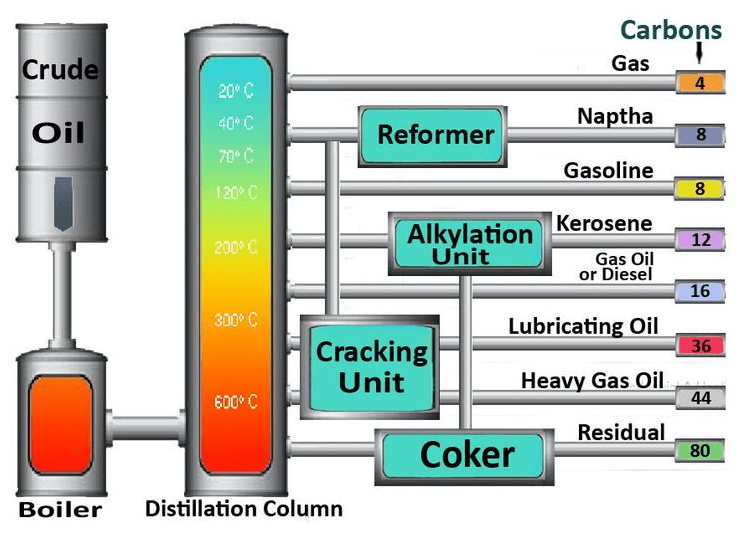
So, chemically speaking, what is petroleum oil made of? The answer is simple yet powerful: hydrocarbons. These are molecules made up exclusively of hydrogen and carbon atoms. Different types of crude oil have different mixtures of these hydrocarbon molecules, varying in size and structure.
Some hydrocarbons are small and light, like those found in natural gas or gasoline. Others are larger and heavier, forming the basis for things like asphalt. It’s all just different arrangements of hydrogen and carbon, locked together with energy-rich bonds – energy that originally came from the sun, captured by those tiny ancient plants!
Think about it: the sunlight that powered life millions of years ago is now powering your commute. How cool is that?
Why This Makes Life More Fun (Seriously!)
Understanding where something comes from – especially something so fundamental to modern life – adds a whole new layer of appreciation. When you see a plastic toy, a bottle of shampoo, a piece of synthetic clothing, or even a medicine, you’re not just seeing an object. You're seeing the incredible journey of ancient life, transformed by geological forces, and harnessed by human ingenuity.
It's a testament to the immense power of our planet's processes and the cyclical nature of life. It makes you realize how interconnected everything is, from the smallest plankton to the biggest cities.
So next time you're filling up your car, remember the epic saga of transformation in that fuel. It's not just a commodity; it's a profound connection to Earth's deep past and a reminder of the astonishing forces at play beneath our feet.
Life is full of wonders, big and small. And sometimes, even the most seemingly mundane things, like a barrel of oil, can tell an incredible, inspiring story. Keep asking "What is it made of?" – you never know what amazing tale you'll uncover next!