
What Is Pet Plastic Made From
Ever Wondered About Your Plastic Bottle?
We all grab them. A quick sip of water, a fizzy drink, maybe some mouthwash. The humble plastic bottle is everywhere.
It's practically a staple of modern life, always at arm's reach. But have you ever paused to think about what makes that clear, sturdy container?
No, not the liquid inside. We're talking about the bottle itself! The clear, shiny stuff we call PET plastic.
Must Read
The Grand Mystery of PET
PET sounds pretty fancy, doesn't it? Like something an inventor in a lab coat might whisper with great secrecy.
Maybe it’s made from moonbeams? Or perhaps solidified rainbows, gathered at dawn? Wouldn't that be absolutely delightful?
Alas, dear reader, the truth is far less sparkly. But don't worry, it's still quite a story, full of unexpected twists!
Many folks might innocently imagine it comes from some magical, fast-growing plant. Or maybe even tiny, dedicated plastic-making pixies working overtime.
It's easy to think that way, especially with all the earnest talk about sustainability and natural alternatives. We truly wish it were that simple, don't we?
But brace yourselves for a moment of delightful disillusionment. Because the core secret ingredient isn't exactly a well-kept secret. It's just... well, rather mundane, some might say.
The Unpopular Truth: It Starts with Oil!
Yup, you heard right, and try not to spill your beverage in shock. That crystal-clear bottle often begins its life in a deep, dark, rather gooey place.
It often starts as good old crude oil. Or sometimes, it gets its start from natural gas, which is basically oil's gassy cousin.
Surprise! It's not born from sunshine and daisies, or even a magical plastic tree. It's hydrocarbons, baby!
"It's like building a car, but you end up with bottles instead of wheels!"
Now, before you declare all plastic evil and swear off bottled water forever, let's be clear. It's not like they just pour crude oil directly into a bottle-shaped mold.
Oh no, there's a whole scientific adventure involved, a journey of transformation. It’s high-level chemistry, but definitely not the scary, explosion-prone kind.
Think of it as oil's incredible, elegant transformation. Like a drab caterpillar turning into a surprisingly strong, clear butterfly. A plastic butterfly, that is.
From Gooey Black Stuff to Clear Awesomeness
So, how exactly does gooey black stuff from deep underground become something so perfectly clear, so wonderfully strong, and so bottle-shaped?
Scientists, with their incredibly clever brains and meticulous processes, take those raw materials. They then break them down into much simpler, more manageable bits.
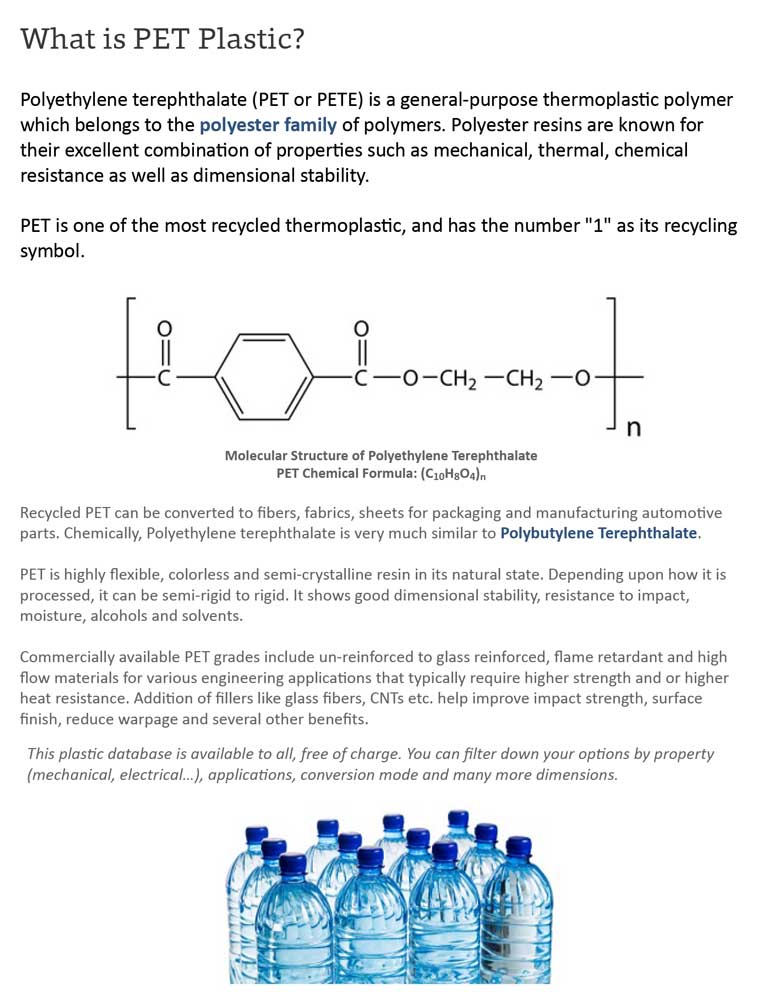
These tiny bits are called monomers. Imagine them as incredibly precise, microscopic LEGO bricks, all ready to be snapped together in a specific order.
The two main, superstar LEGO bricks for creating PET are two chemicals with rather impressive, tongue-twisting names. Get ready for this:
One is majestically named ethylene glycol. The other, equally grand, is called terephthalic acid.
They truly sound like powerful spells from a forgotten book of alchemical potions, don't they? "Ethylene Glycol! Terephthalic Acid!" Utter these words, and poof! Instant plastic, right?
Actually, it's a bit more involved than a simple "poof" and a wave of a wand. They carefully heat and mix these two special components together.
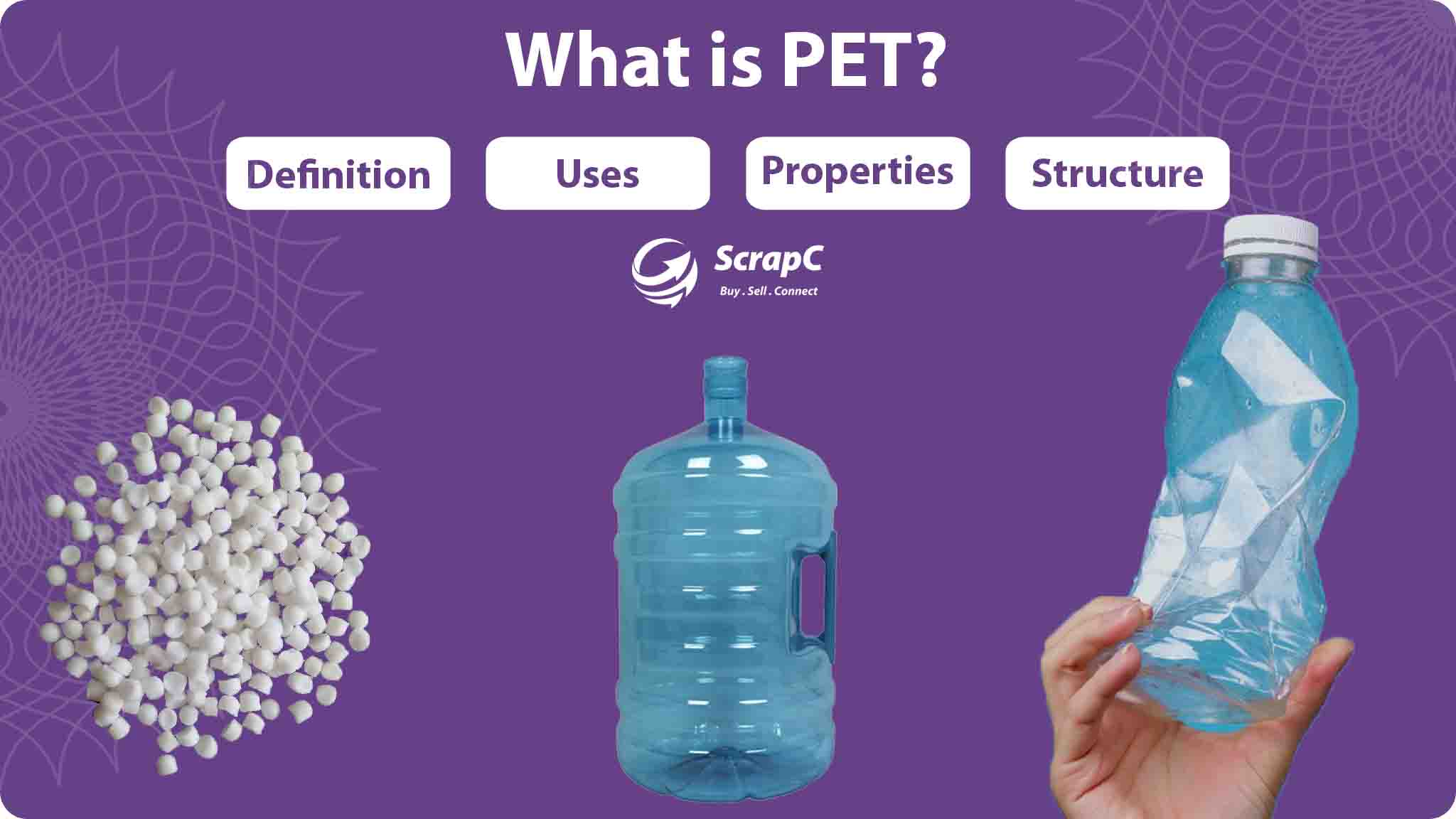
Under just the right, carefully controlled conditions, these tiny molecular bricks link up. They form incredibly long, repeating chains, like microscopic train cars.
These long, connected chains are precisely what we call a polymer. And that specific polymer, my friends, is none other than Polyethylene Terephthalate itself!
Decoding the Fancy Name: PET
Let's take a moment to gracefully break down that impressive, polysyllabic name. It's far less scary and much more logical than it initially sounds.
The "Poly" part simply means "many." Think of it like polygon, which means "many sides," or polyglot, meaning "many languages."
The "ethylene" portion comes directly from that ethylene glycol bit. Remember our initial "LEGO bricks" analogy?
And "Terephthalate"? Well, that's just the wonderfully fancy, scientific way of saying "derived from terephthalic acid." It’s basically the other half of our dynamic duo.
So, when you put it all together, Polyethylene Terephthalate literally means "many, many units of ethylene and terephthalate joined together."
Such a catchy, rolls-off-the-tongue name, wouldn't you agree? No wonder we simply shorten it to PET for convenience!
Why PET is the Star of the Show
So, now you're in on its humble, rather oily origins. But why exactly did PET become such an undeniable superstar for bottles and containers?
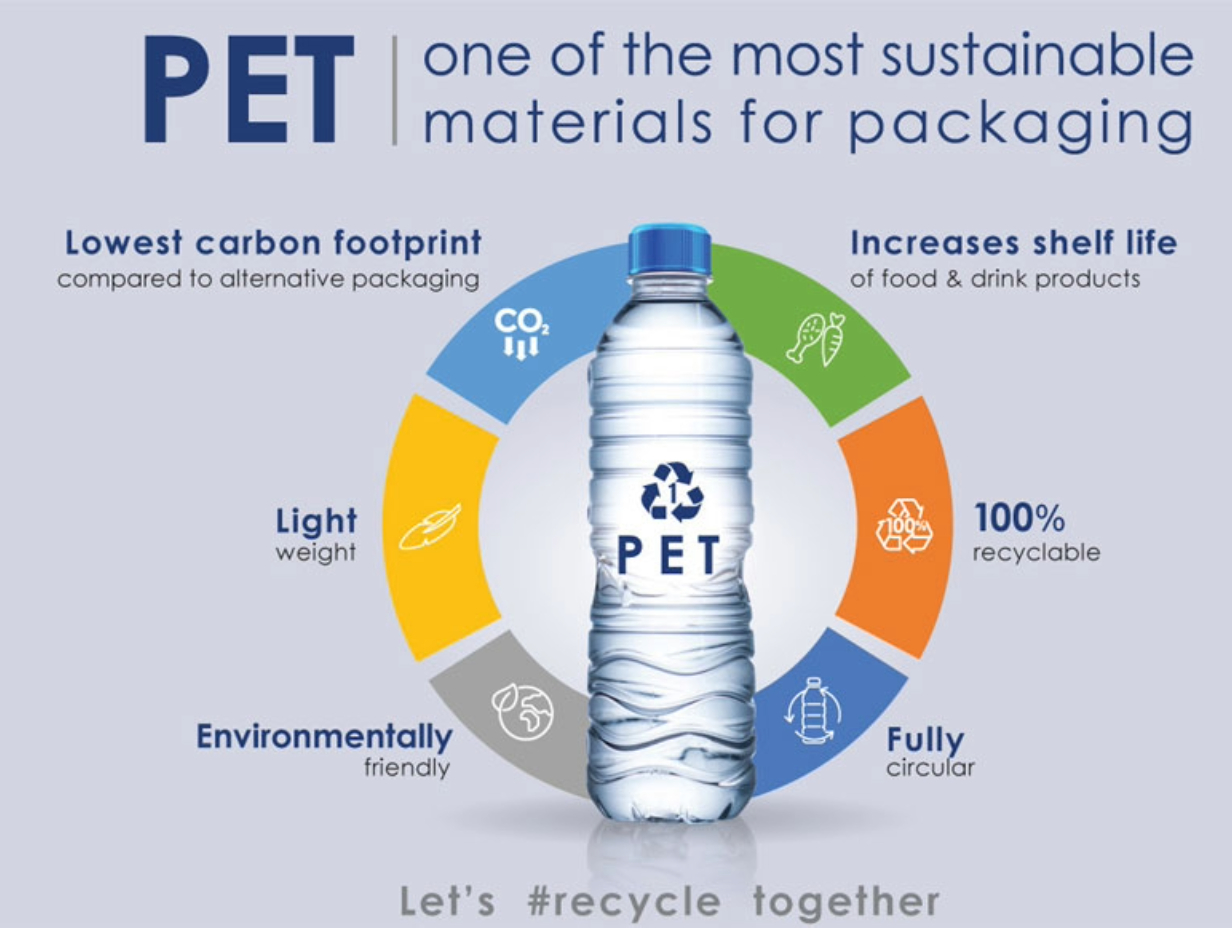
Firstly, it's incredibly light. Just imagine how heavy a traditional glass bottle of soda or water is compared to its plastic counterpart. It's a huge advantage for shipping and carrying!
Secondly, it's also super strong and shatter-resistant. It can handle being jostled around a bit, dropped occasionally, or squished in a backpack without instantly shattering into dangerous shards.
Plus, it's wonderfully clear and transparent. We humans generally like to see what we're drinking, or what product we're buying, after all!
And here's the really big one, the environmental superhero aspect: it's highly recyclable. Many, many PET bottles get a well-deserved second, third, or even a fourth life as new products.
This is where the story truly starts to get a bit greener and more hopeful, moving beyond its initial fossil fuel beginnings towards a more circular economy.
But let's be honest with ourselves, shall we? Even the most diligently recycled PET bottle still needed that initial oily start to exist in the first place.
It's almost like a superhero with a very elaborate secret origin story. A very, very petroleum-based origin story, if you will.
It certainly makes you think, doesn't it? Next time you reach for that perfectly clear bottle, perhaps give a little respectful nod to the ground beneath your feet.
The Unpopular Opinion Revisited
So, my "unpopular opinion" isn't truly that unpopular among the chemists and material scientists of the world.
It's just that most of us regular folks don't typically walk around pondering the crude oil connection when we simply grab a bottle of refreshing water.
We see the convenient package, the refreshing contents, and perhaps, the reassuring little recycling symbol. And that's usually the extent of our thought process!
And you know what? That's perfectly fine! There's absolutely no need to overthink your immediate hydration needs every single time.
But it's genuinely good to know, isn't it? To understand the remarkable, sometimes surprising, journey of these incredibly common, everyday objects.
From the ancient depths of the earth, through clever human ingenuity, and right into your refrigerator, via a very ingenious chemical process.
So, the next time someone casually asks you, "What exactly is PET plastic made from?" you can confidently adopt a playful smirk.
You can lean in conspiratorially, lower your voice slightly, and whisper, "Shhh... don't tell anyone, but it's mostly fancy oil!"
And maybe, just maybe, they'll give you a knowing smile back, agreeing wholeheartedly with your newfound, delightfully "unpopular" wisdom.
It's a quirky reminder that even the most ubiquitous and mundane things around us often have the most fascinating, if sometimes surprisingly grounded, origins.
So drink up, stay wonderfully hydrated, and feel free to marvel at the subtle magic of chemistry. Even if that magic initially starts with a good old barrel of crude oil.
Who knew that a simple plastic bottle could be the source of so much easy-going, entertaining insight? Well, now you do!