What Is Often The Result Of An Improper Weld Restart

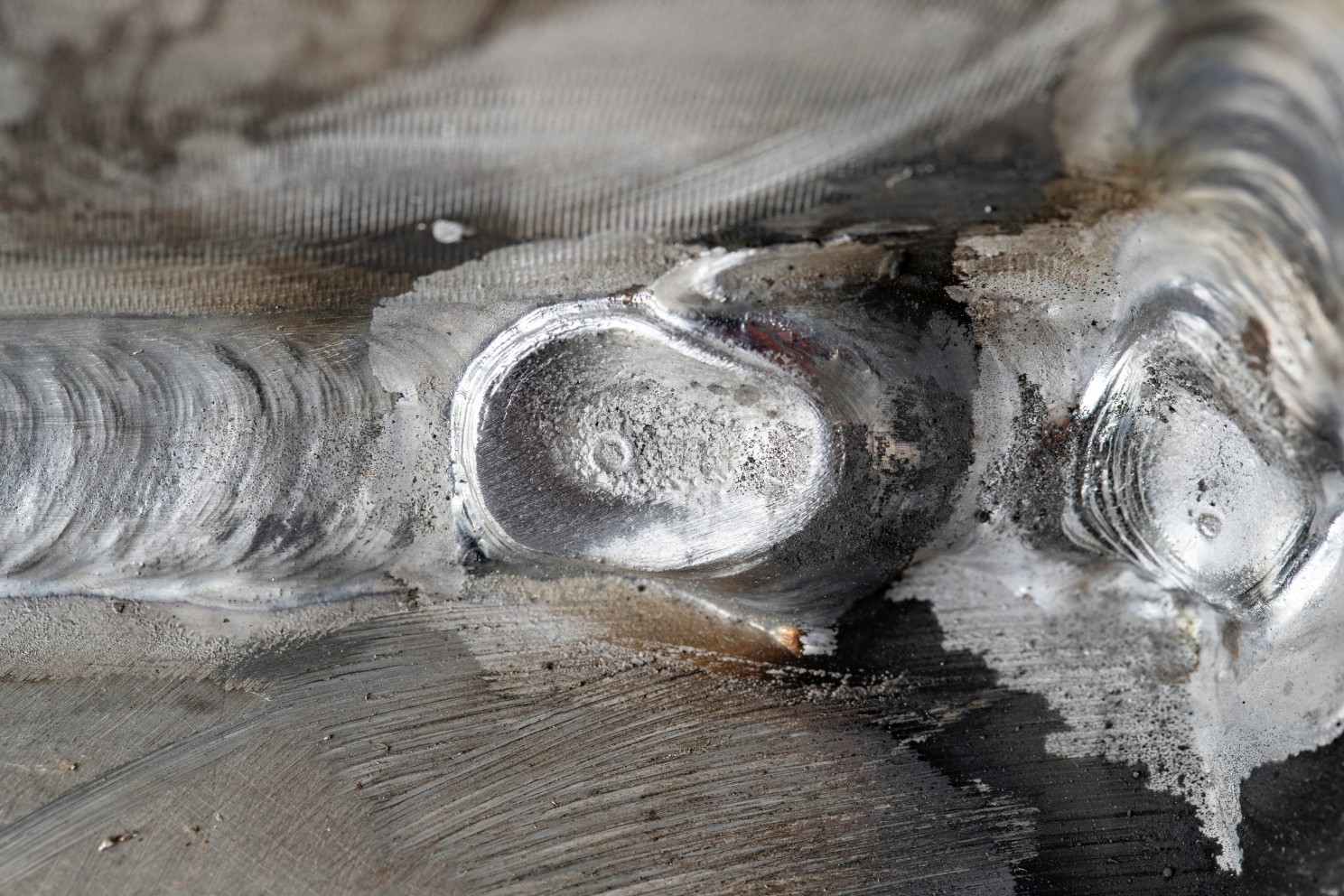
Ever tried to frost a cake and then had the frosting gun sputter and leave a weird glob smack-dab in the middle? Yeah, improper weld restarts are kinda like that – a visual reminder that something went a little sideways. We're not talking catastrophic failures all the time (though, yikes, that can happen!), but more often, it's about aesthetics and structural integrity that's just...off.
Think of welding like sewing. You're joining two pieces of fabric (or metal!) together with a continuous stitch. Now, imagine you're mid-seam, the bobbin runs out, you hastily reload it, and then just start again without securing that first new stitch. What happens? You get a little loopy bit, maybe a missed stitch, and it just doesn’t look as clean as the rest of the seam. A weld restart, done poorly, is very similar.
What's the Big Deal?
So, what's the actual result of a bungled weld restart? Well, a few things can happen, and none of them are particularly desirable.
Must Read
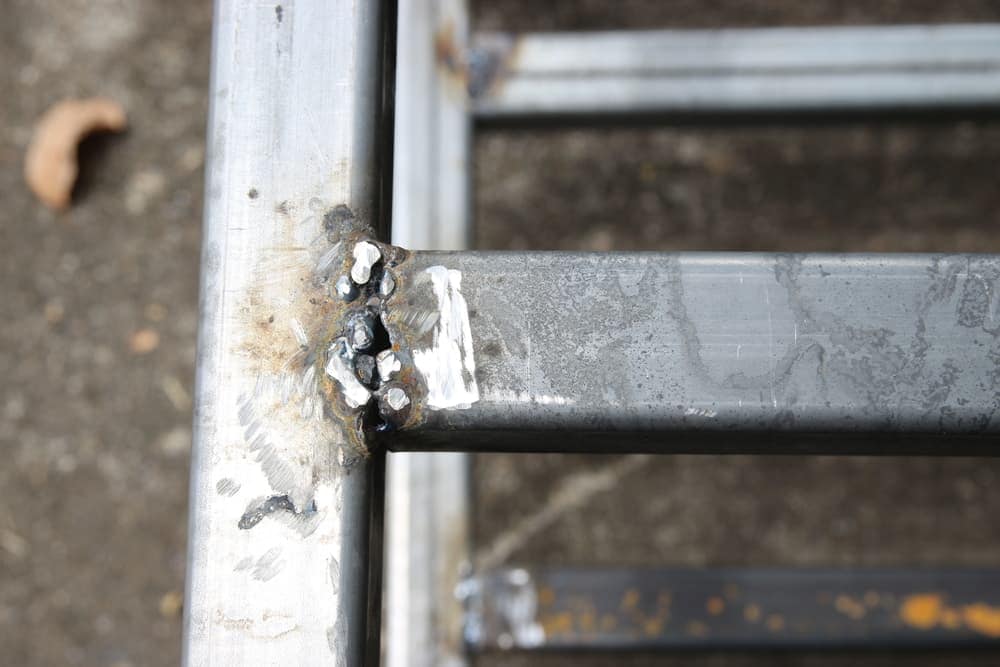
First up, we've got porosity. Imagine making a chocolate chip cookie, but the chocolate chips are actually tiny air bubbles. Nobody wants an airy cookie! Porosity in a weld is basically little pockets of gas trapped in the weld metal. It weakens the weld and can make it look like it’s been attacked by a swarm of hungry, tiny metal-eating termites.
Then there's the dreaded lack of fusion. This is where the new weld metal doesn’t properly fuse with the old weld metal or the base metal. It's like trying to glue two pieces of wood together when one piece is covered in oil. They might look stuck, but a little pressure and pop, they're apart. Lack of fusion creates a weak spot that's just begging to crack, especially under stress. Think of a rickety bridge where you really hope the welder knew what they were doing!

Incomplete penetration is another potential issue. This happens when the weld doesn't go all the way through the joint. Imagine trying to nail two boards together but the nail only goes halfway through the top board. It's technically "joined", but it's not exactly strong, is it? With welds, this can happen at the restart point because of improper heat control or technique.
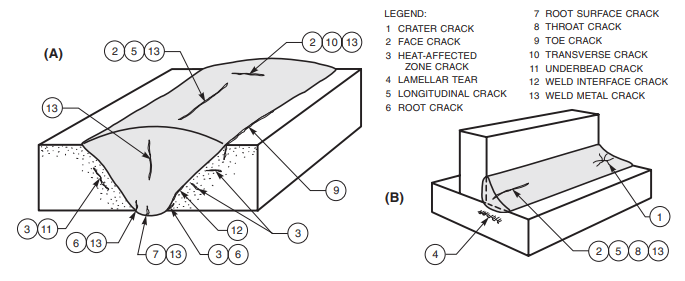
Finally, let's not forget about cracks. These can be microscopic or large enough to see with the naked eye. Cracks are bad news bears. They create stress points and can lead to catastrophic failures down the line. Imagine a tiny crack in a dam – eventually, that crack will become a problem. Weld restarts are a prime spot for crack formation if not done correctly.
Why Does This Happen?
Why do weld restarts go wrong? It often boils down to a few key things:
- Improper Cleaning: Not cleaning the weld area before restarting. It's like trying to paint over dirt - it just doesn't stick properly.
- Insufficient Heat: Not getting the weld area hot enough before restarting. You need to preheat the area to ensure proper fusion.
- Incorrect Technique: Rushing the restart or not using the correct welding technique. It’s like trying to parallel park in one swift motion – sometimes you need to adjust.
- Contamination: Sometimes, it just comes down to external contamination. Even a tiny bit of rust, oil or dirt can cause big problems.
The Takeaway
So, the next time you see a slightly "off" weld, remember that it might be a sign of a poorly executed restart. While not every imperfect weld is a disaster waiting to happen, it's a good reminder that attention to detail is crucial in welding. It’s like baking; you can throw ingredients together, but following the recipe – especially the order and quantities – usually yields a better result. A good weld restart ensures the structural integrity and longevity of the whole project. And hey, nobody wants a bridge collapsing because someone skimped on the weld restarts, right?